
Warning! High Inflation Risks Growing Amid 'Godzilla' and Global Effects
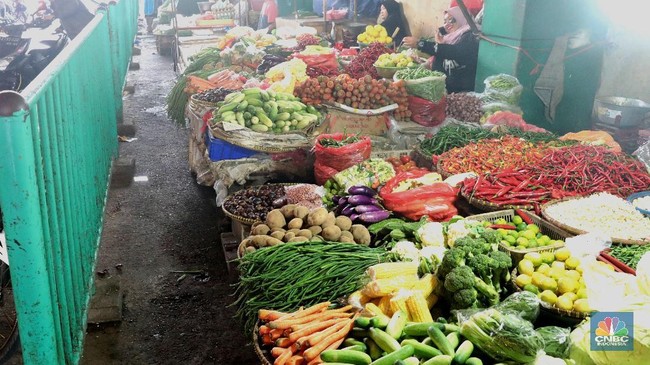
The Indonesian Central Statistics Agency (BPS) recorded a monthly inflation rate of 0.28% for May 2026. The year-to-date inflation reached 1.35%, while the annual inflation rate climbed to 3.08%, an increase from 2.42% in the previous month and significantly higher than the 1.6% recorded in May 2025.
This upward trend indicates inflationary pressure on imported goods resulting from the weakening of the Rupiah. Evidence of this is seen in the General Import Price Index (IHP), which rose by 9.97%, from 111.31 in the first quarter of 2025 to 122.41. Within this, the import price index for the oil and gas group rose by 3.08%, while the non-oil and gas group saw an increase of 12.61%.
The five categories experiencing the highest import price increases (year-on-year) were: starting metals, gold, and jewellery (80.72%); salt (56.10%); optical, photographic, cinematographic, and medical instruments (29.73%); furniture and lighting (28.25%); and animal meat (27.45%).
Faisal Rachman, Head of Macroeconomics & Market Research at Permata Bank, warned that inflationary pressures are likely to increase amidst ongoing geopolitical tensions in the Middle East. “These developments could weaken the stability of the Rupiah and increase the risk of imported inflation,” he stated on Wednesday.
He further noted that higher global oil prices could increase the government’s energy subsidy burden, potentially straining the fiscal balance and leading to higher regulated inflation. Currently, supply-side inflation has exceeded demand-side inflation, suggesting a risk of producers passing increased input costs—particularly imported inputs—on to consumers.
Domestically, Rachman suggested that the government’s expansive fiscal policy could increase the money supply (M2), potentially creating inflationary pressure. The ongoing Free Nutritious Food (MBG) programme is also expected to strengthen food demand, posing a risk of volatile inflation if not accompanied by sufficient increases in food production and supply chain resilience.
Additionally, the potential emergence of the ‘Godzilla’ El Niño phenomenon must be closely monitored, as it could disrupt agricultural production, raise food prices, and add further pressure to inflation. However, Rachman noted that these pressures might be partially offset by Indonesia’s negative output gap, which indicates relatively weak aggregate demand and a lower likelihood of significant demand-pull inflation.