
Warning for Indonesia: Lower-Middle Class Grows Pessimistic About Job Market
Consumer confidence in Indonesia declined in June 2026, indicating that public perception of the economic situation is not as strong as in the previous month. According to the Bank Indonesia Consumer Survey, the Consumer Confidence Index (IKK) was recorded at 117.8 in June 2026. While this figure remains above the 100 level, signifying general optimism, it is lower than the 120.9 recorded in May 2026. Consumer confidence is thus maintained but has lost some of its momentum.
Two main indices underpinning consumer confidence, the Current Economic Conditions Index (IKE) and the Consumer Expectations Index (IEK), both experienced declines. In June 2026, the IKE fell to 109.2 from 112.2 in May 2026. The IKE reflects how consumers assess current economic conditions compared to six months prior. Meanwhile, the IEK dropped to 126.4 from 129.7 in May 2026. Although both indices remain in the optimistic zone, the decline indicates that consumer confidence is weakening from both sides: the assessment of current economic conditions has fallen, and hopes for future economic conditions have also diminished. The IEK level of 126.4 is the lowest since September 2022.
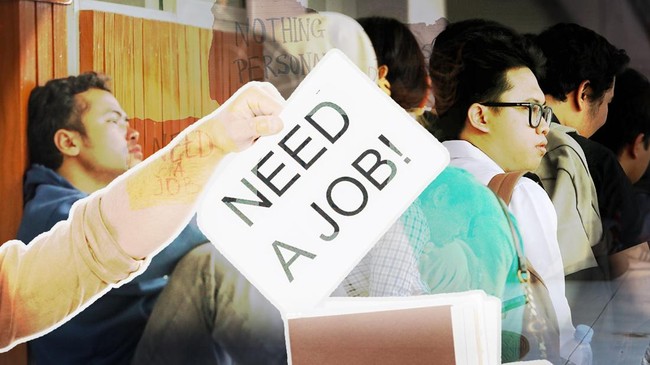
Looking at current conditions, the weakening was visible across all components. The current income index fell, and the durable goods purchasing index also weakened. The employment availability index dropped to 101.8 in June 2026, just barely within the optimistic zone and indicating a very fragile perception of job availability. This decline was a major factor weighing on the Current Economic Conditions Index.
The pressure is particularly evident when broken down by spending groups. Among the group with expenditures of Rp1-2 million, the employment availability index fell to 96.4, marking a second consecutive month in the pessimistic zone. A sharper decline occurred in the Rp2.1-3 million spending group, where the index plunged to 96.9 from 110.0 the previous month, flipping from optimism to pessimism in a single month. This shows that while consumers in aggregate remain optimistic, lower-middle-class groups are increasingly pessimistic about job availability.