
"War" Vs China Heats Up, Japanese Car Dealers in Indonesia Closing One by One
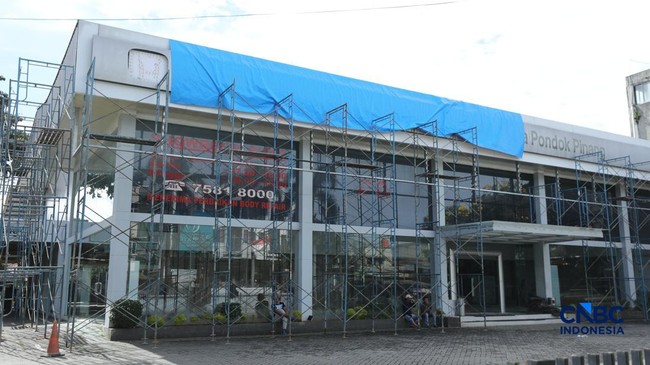
Jakarta, CNBC Indonesia - The dominance of Japanese car brands in Indonesia’s automotive market is beginning to face serious challenges with the entry of new players, particularly from China. If adaptation does not occur soon, a shift in power is not impossible in the coming years.
Automotive expert Yannes Martinus Pasaribu assesses that this potential is not mere speculation, but a scenario that could materialise if changes are not implemented promptly. He sees that Japanese manufacturers are currently at a critical juncture in determining their future direction in the national automotive market.
“Regarding the potential for Chinese cars to displace the hegemony of Japanese brands in the long term, such a shift could become a bitter reality if the defending manufacturers continue to stubbornly hold back and refuse to undertake a total overhaul of innovation,” he told CNBC Indonesia on Thursday (9/4/2026).
Nevertheless, Japan’s dominance will not collapse in the short term due to its strong foundations. Classic factors such as reputation and networks remain advantages that are difficult to match.
“Even so, in the next five to ten years, Japan’s throne will remain difficult to topple absolutely thanks to defensive bastions in the form of product durability reputation, resale value stability, and a service network that is deeply rooted even in remote areas,” he said.
However, these strengths could erode if not balanced with innovation. Especially in facing changing consumer preferences that are increasingly modern.
“Unfortunately, slow adaptation will cause them to gradually but surely lose market share among urban consumers of the new generation,” he continued.
Furthermore, he even describes the worst-case scenario that could occur if Japanese manufacturers stick to old strategies. This change will not happen suddenly, but through a long process that slowly erodes market strength.
“If Japanese manufacturers remain adamant in resisting the transition and refuse to make radical innovations in the BEV sector, the worst scenario awaiting them is not instant bankruptcy, but a slow structural bleeding that will trigger a ‘Nokia Moment’ in the national automotive industry,” he emphasised.
Early signs of this shift are already visible in the field. Changes in business actors’ and consumers’ behaviour serve as strong indicators.
“The collapse of this throne has already begun with the mass exodus of dealer investors in various cities who are switching to Chinese brands to save business margins. This then chain-reacts into the fall in prices of Japanese used cars due to the flood of supply from urban consumers migrating to more sophisticated Chinese BEVs in design and new technology features,” said Yannes.
The impact does not only occur in the new car market, but also spills over to other sectors. Including the used car market, which has long been one of the main strengths of Japanese brands.
“When the myth of Japanese brand resale value stability is shattered, Japanese manufacturers will lose their appeal in the eyes of the tech-savvy new generation, forcing Japan to retreat and only survive in the niche of conventional commercial fleet markets,” he concluded.
Meanwhile, Secretary General of the Indonesian Automotive Industry Association (Gaikindo) Kukuh Kumara revealed that sales are declining across the national automotive market. This situation is exacerbated by the presence of new players entering the market.
“What is clear is that there is indeed an overall decline in sales. Meanwhile, on the other hand, there are many new players entering,” he told CNBC Indonesia on Tuesday (7/4/2026).
“The decline is not due to brand issues, but more towards declining purchasing power,” he said.
Source: jawawa.id (https://jawawa.id/newsitem/war-vs-china-heats-up-japanese-car-dealers-in-indonesia-closing-one-by-one-1775731863)
Originally published by CNBC Indonesia (https://www.cnbcindonesia.com/news/20260409141937-4-725342/perang-vs-china-kian-panas-diler-mobil-jepang-di-ri-tutup-satu-satu), translated from Indonesian