
War Triggers Surge in Aluminium Prices, This Industry Feels the Sting Immediately
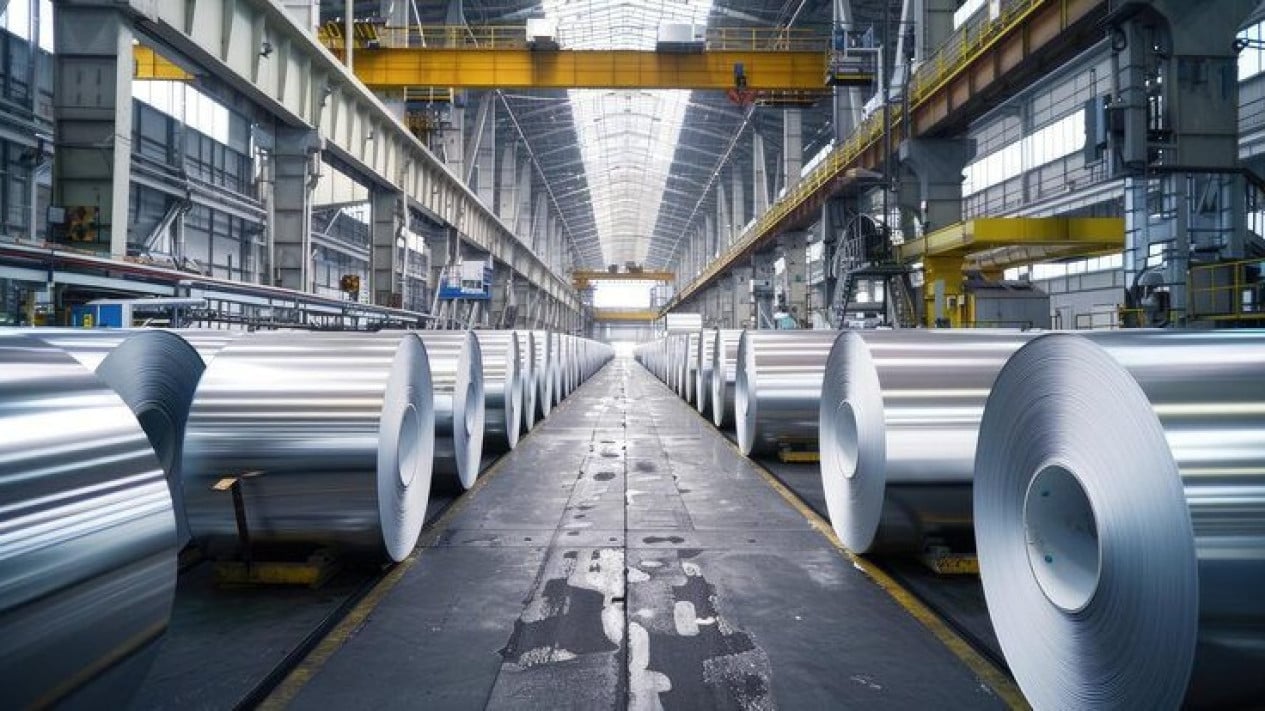
Global aluminium prices have surged sharply throughout 2026 due to the Iran war disrupting supply chains. This increase is already burdening various industrial sectors, from automotive to consumer goods such as beverages.
Data shows that aluminium prices on the London Metal Exchange have risen more than 13 per cent since the US and Israeli attacks on Iran on 28 February. Year-to-date, the commodity price has strengthened by around 19 per cent and has reached its highest level since 2022.
The price increase is triggered by disruptions in the Strait of Hormuz, a key shipping route for aluminium from the Middle East. Bernstein analyst Bob Brackett estimates that about 7 per cent of the world’s aluminium supply comes from the region, while military attacks have removed around 3 per cent of global supply from the market.
The direct impact is evident in company performance. Ford estimates that commodity cost pressures will exceed US$2 billion, equivalent to Rp34 trillion, nearly double the previous projection. Aluminium is a key component in vehicle production, including the F-150 model.
Ford’s Chief Financial Officer, Sherry House, said commodity price uncertainty is complicating forward business projections. “It will be quite difficult to predict 2027 at this point given the volatility we’ve seen in commodities,” she stated, as quoted from CNBC on Wednesday, 6 May 2026.
“Regarding steel and aluminium in particular, even before the Middle East situation began, we were already seeing shortages in the global industry.”
Although Ford’s shares have fallen around 17 per cent since the conflict started, UBS analyst Joseph Spak believes market concerns over aluminium prices are overstated. He noted that the company has hedged against price risks for this year.
Cost pressures are also felt in the beverage sector. Molson Coors recorded a cost increase of around US$30 million, equivalent to Rp510 billion, in the first quarter due to the surge in aluminium prices in the US Midwest region. The company estimates that price pressures will continue in subsequent quarters.
From the supply side, pressures are expected to persist. UBS estimates global aluminium supply growth at only 0.3 per cent in 2026, down from the previous estimate of 2.4 per cent. Disruptions in the Middle East and production capacity limitations in Europe are the main causes.