
War Disruption Threatens WFP Food Aid Cuts
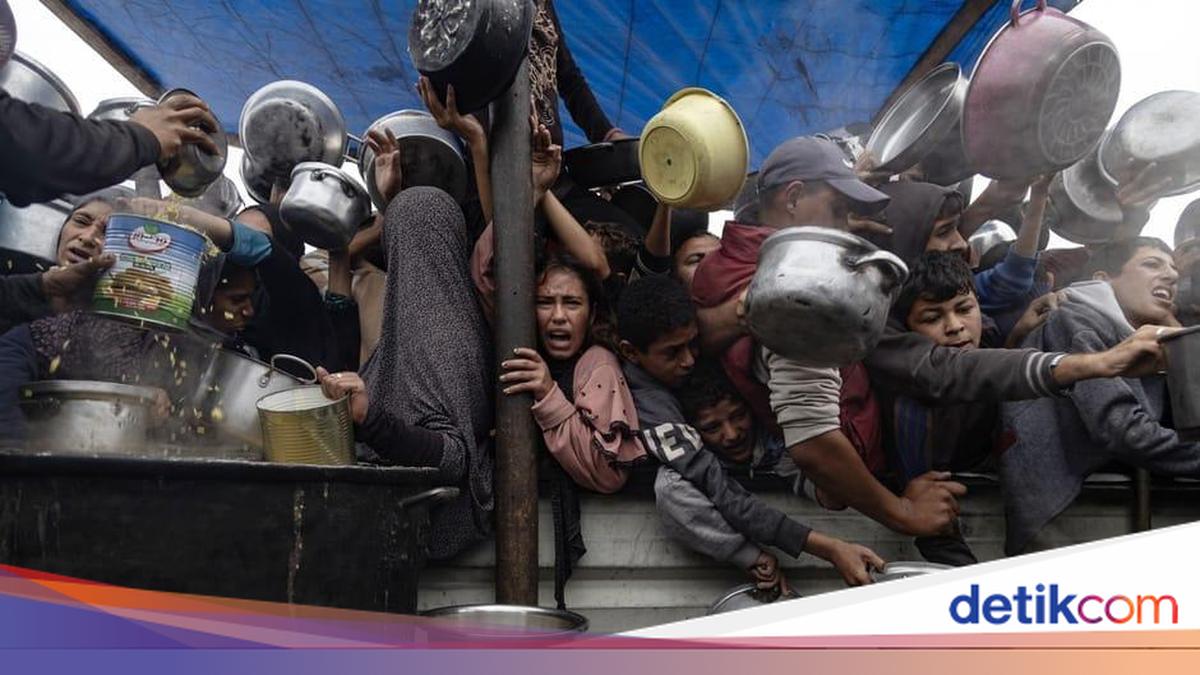
World Food Programme (WFP) Executive Director Luke Lindberg warned on Monday (23 November) that shipping disruptions caused by wars in the Middle East and Ukraine could increase the agency’s operating costs by US$727 million by mid-2027. This threatens food aid delivery to an additional 7.3 million people.
Lindberg, who was nominated by US President Donald Trump and appointed by the United Nations (UN) in September to lead the world’s largest humanitarian organisation, called for renewed efforts to ensure the safe shipment of grain from Ukraine and Russia across the Black Sea for humanitarian purposes. Such efforts could draw on the UN-mediated initiative that operated from 2022 to 2023.
Addressing the UN Security Council, Lindberg said that obstacles to food exports and the distribution of agricultural inputs through the Strait of Hormuz, the Bab el-Mandeb Strait and the Black Sea were being compounded by climate disruptions such as El Niño.
“This is a difficult scenario to imagine, and it is happening at the worst possible time,” said Lindberg, a former US agriculture official.
He urged diplomats to find an immediate solution to ensure that around 10 million tonnes of Ukrainian and Russian grain currently in storage could be delivered to people in need.
According to Lindberg, 266 million people worldwide are experiencing acute hunger. Parts of Sudan, South Sudan and Somalia also face the risk of famine.
In an interview with Reuters, Lindberg said resolving the situation in the Black Sea was critical. The region is one of the world’s breadbaskets, supplying grain to countries such as Somalia and Yemen. Yemen relies on imports to meet 90% of its food needs.
Lindberg called on diplomats to establish a humanitarian corridor similar to the Black Sea Grain Initiative, a UN-mediated agreement reached in July 2022 that enabled the safe export of nearly 33 million tonnes of Ukrainian grain.
Russia withdrew from the agreement in 2023, saying its own food and fertiliser exports faced serious obstacles.
An intolerable situation
Lindberg told Reuters that any effort to revive the agreement would need to include exports from both Russia and Ukraine to be acceptable to both sides.
“It is intolerable for grain silos in Ukraine, Poland and the surrounding region to be full while people elsewhere in the world are going hungry … If a diplomatic solution can be reached, we are ready to deliver grain from Russia as well as Ukraine,” he said.
The WFP director added that food shipments through the Black Sea had fallen sharply this year. By mid-October, the number of ships carrying wheat and maize through the Bosporus Strait was down 63% compared with the same period in 2025. More than 300 attacks had been recorded and at least 40 crew members had died, he said.
As a result, around 10 million tonnes of Russian and Ukrainian wheat could fail to reach global markets this year. That amount would be enough to meet the food needs of 44 million people, Lindberg said.
According to Lindberg, the UN Food and Agriculture Organization’s (FAO) Food Price Index reached its highest level in nearly four years in September. Wheat prices have risen almost 10% since January, while higher energy and transport costs have also pushed up food prices, particularly in import-dependent countries vulnerable to food insecurity.
The next harvest is also expected to decline because of disruptions to global fertiliser supplies, 30% of which are transported through the Strait of Hormuz, he added.
Lindberg said the wars were directly affecting WFP’s humanitarian operations and driving up operating costs.
The WFP has reduced its food-aid target from 110 million people this year to 91 million in 2027. However, rising operating costs could force it to reduce the number of recipients further.
The WFP’s total expenditure last year was nearly US$12.2 billion. An additional US$727 million in costs by mid-2027 would therefore amount to an increase of almost 6%.
The WFP said the figure could rise further if current conditions persist.
Source: jawawa.id (https://jawawa.id/newsitem/war-disruption-threatens-wfp-food-aid-cuts-1795596772)
Originally published by detikcom (https://news.detik.com/dw/d-8769270/imbas-perang-wfp-terancam-pangkas-bantuan-pangan), translated from Indonesian