
War Deepens Iran's Economic Crisis, Middle Class Increasingly Squeezed
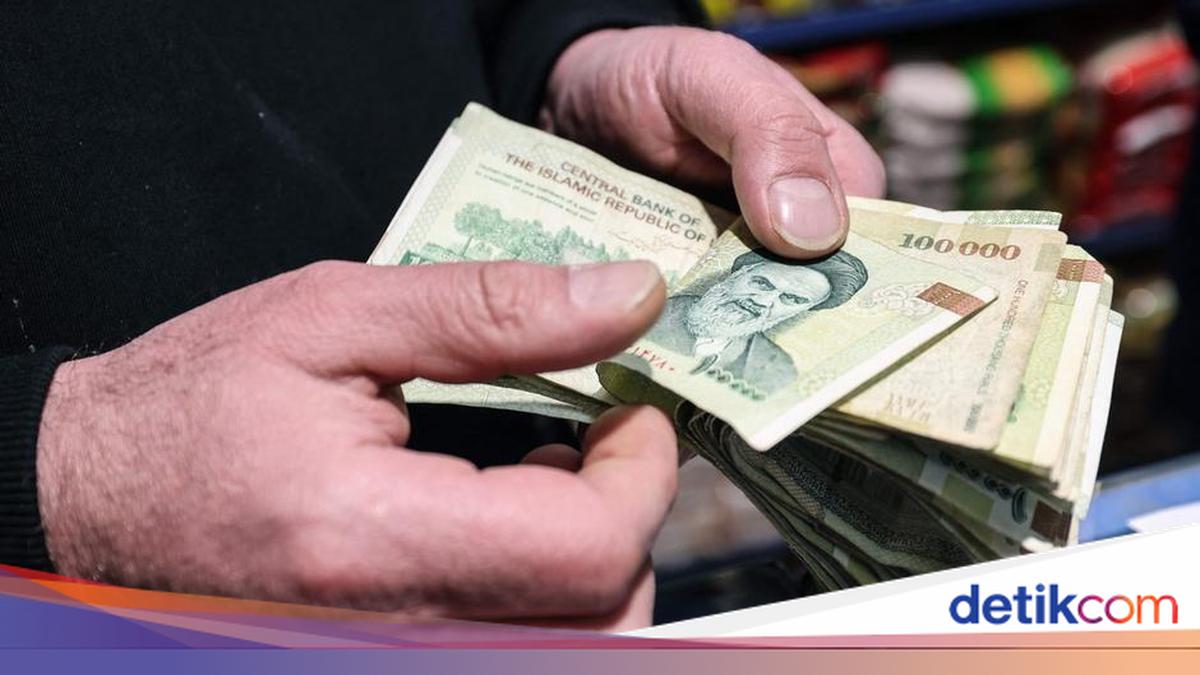
For Mina, a housewife in Iran, war is no longer measured by airstrikes or military statements. The war is now felt by what is missing from her family’s dinner table. “Since the war began last year, we have become poorer every day,” she told DW. “Honestly, I don’t even remember the last time we bought red meat. We replaced it with chicken, but now even chicken has become a luxury. We no longer think about how to save. All we think about is how to pay the rent and buy food.”
The International Monetary Fund (IMF) estimates that Iran’s economy will contract by 5.4% this year, while inflation is expected to approach 69%. The World Bank has also warned that the conflict, weakening trade, and prolonged uncertainty are placing severe pressure on the Iranian economy.
According to economist Ahmad Alavi, a researcher based in Sweden, the war did not cause Iran’s economic crisis but has drastically worsened it. “Iran entered this conflict with inflation already above 40%, a continuously weakening currency, chronic budget deficits, and years of facing sanctions,” he told DW. “The war became an external shock. Damage to infrastructure, disruption of trade through the Strait of Hormuz, internet blackouts, and rising inflation expectations have accelerated the decline in people’s purchasing power.”
Alavi referred to official data showing that annual inflation has reached 66%, while the year-on-year figure is close to 88%. Food prices have risen even faster. The price of bread and cereals has increased by around 140%, meat and poultry by 135%, dairy products by more than 116%, and cooking oil has soared by over 200%. For many families, these figures mean cutting meat consumption, delaying medical treatment, and abandoning any plans to save.
Economists say that when economic conditions deteriorate, households typically cut spending on travel and clothing first. However, as inflation persists, cutbacks begin to affect basic necessities such as food, healthcare, and education. This condition is increasingly squeezing middle-class families who previously felt their financial situation was relatively secure. Alavi said that low-income households are indeed the group suffering the most. However, he noted that the middle class is now facing the same pressures. “Many salaried workers and pensioners are falling below the poverty line for the first time because their incomes cannot keep up with inflation.” He estimates that since the conflict escalated, an additional 3.5 to 4.5 million Iranians have fallen into poverty, bringing the total number of people living below the poverty line to more than 40 million.
The economic pressure is also being felt by Iran’s private sector. Morteza, an Iranian trader, said that regional trade routes changed rapidly after shipping goods through the Strait of Hormuz became increasingly difficult. “China moved quickly to fill some of the void left by suppliers from Dubai,” he told DW. “Unlike the Gulf states, China can also send goods via railway across Central Asia, thus avoiding many of the risks and delays associated with sea transport.” He believes the increasing role of overland trade routes is one reason the United States targeted railway lines near Iran’s border with Turkmenistan, though this assessment could not be independently verified. Despite this, Morteza said the shift in trade routes has provided little benefit to Iranian traders. “The collapse of the rial and soaring inflation make it impossible for the market to grow,” he said. “Traders live in constant uncertainty because the exchange rate changes almost daily. Goods we used to buy and sell at lower prices now have to be replaced with much more expensive ones—and that is only if customers still have enough purchasing power to buy them.” For Morteza, uncertainty has become the biggest obstacle. “With the ongoing tensions, I honestly do not see a clear future for running a business in Iran.”
Although global oil prices have risen, Alavi said Iran is unlikely to reap significant benefits. Sanctions, export restrictions, and rising transport costs still limit Iran’s oil revenue. According to him, a number of government measures, such as subsidies, price controls, and intervention in the foreign exchange market, may reduce pressure in the short term. However, these policies are unlikely to solve the fundamental problems of Iran’s economy. “Without restoring confidence, reducing sanctions, and addressing structural issues, these policies are merely short-term responses, not lasting solutions.”
According to Alavi, uncertainty itself has now become one of the biggest obstacles to recovery. Many companies are postponing investment because they are unsure about future economic conditions. At the same time, households are becoming more cautious in spending because they expect prices to continue rising and their incomes to decline further. He argued that rebuilding the confidence of investors, businesses, and consumers will likely take much longer than repairing the physical damage caused by the war.