
War and Energy: How the Middle East Crisis is Shaking the Global Economy
JAKARTA, KOMPAS.com - As the global economy entered 2026 with cautious optimism, that momentum was suddenly halted by the escalation of conflict in the Middle East.
In its latest World Economic Outlook (WEO) report, the International Monetary Fund (IMF) emphasised that the war in the region has sparked a surge in global energy prices and reopened the door to wider economic crises.
IMF Research Director Pierre-Olivier Gourinchas stated that, prior to the conflict intensifying, the global economy had actually shown resilience.
“Despite major trade disruptions and policy uncertainty, last year ended on an encouraging note,” Gourinchas said.
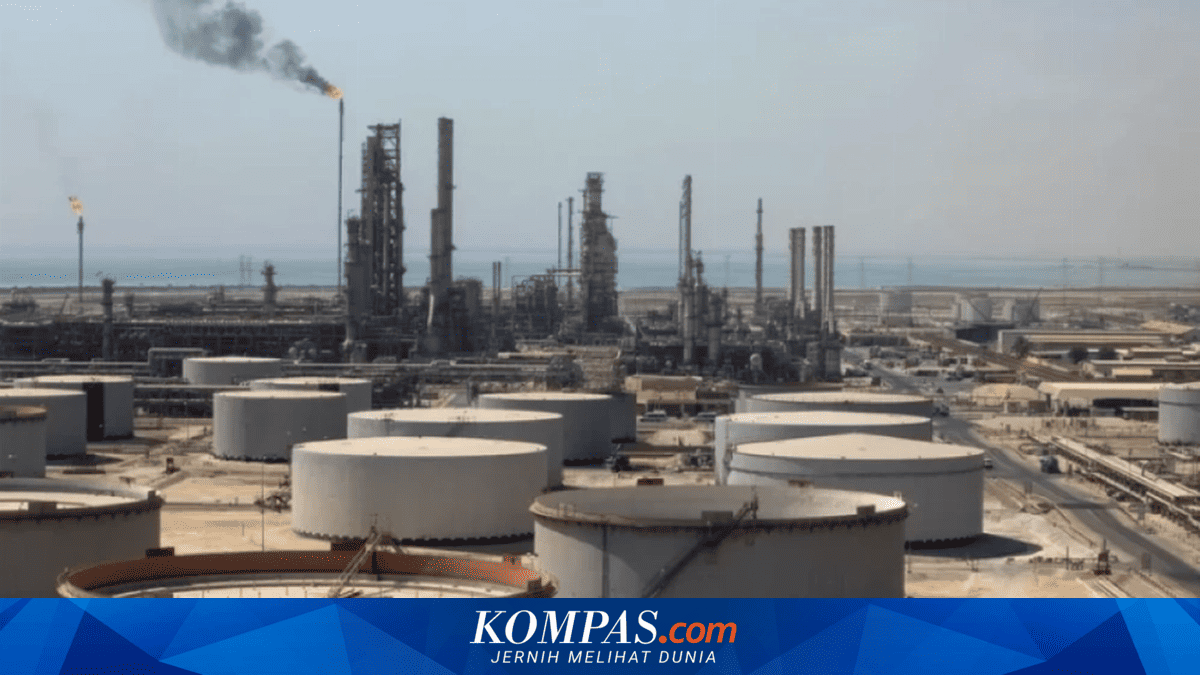
However, the situation changed rapidly. The closure of the Strait of Hormuz, a vital route for world oil trade, along with damage to energy facilities in the Middle East, has triggered a sharp spike in energy commodity prices.
Oil and gas prices have risen, followed by increases in diesel, aviation fuel, fertiliser, aluminium, and even helium prices.
The IMF has identified three main mechanisms through which the energy crisis stemming from the war can shake the global economy.
First, the rise in energy prices represents a “negative supply shock.” In this scenario, production costs rise broadly because energy is a key input for nearly all sectors.
“A rise in commodity prices is a classic example of a negative supply shock: it raises prices and costs, disrupts supply chains, and erodes purchasing power,” Gourinchas said.
The impact is immediately felt in global supply chains. Logistics costs increase, manufactured goods prices rise, and ultimately, consumer purchasing power is squeezed.
The rise in fertiliser prices, for instance, could drive food inflation, particularly in developing countries that rely on agriculture.
Second, the shock’s effects can be amplified by responses from economic actors. Companies facing higher costs tend to pass on price increases, while workers demand wage hikes to maintain purchasing power.
If unchecked, this could lead to a “wage-price spiral,” a cycle of mutually reinforcing wage and price increases.
Third, the energy crisis can also trigger a tightening of global financial conditions. Economic uncertainty prompts investors to seek safer assets, such as US government bonds, which in turn strengthens the US dollar.
This dollar appreciation has dual impacts on developing countries. In addition to increasing inflationary pressures through local currency depreciation, the burden of dollar-denominated debt becomes heavier.
Source: jawawa.id (https://jawawa.id/newsitem/war-and-energy-how-the-middle-east-crisis-is-shaking-the-global-economy-1776239457)
Originally published by Kompas (https://money.kompas.com/read/2026/04/15/142422626/perang-dan-energi-bagaimana-krisis-timur-tengah-guncang-ekonomi-dunia?utm_source=ABC&utm_medium=rss), translated from Indonesian