
Wamendikdasmen Fajar Urges MPLS to Become Momentum for Strengthening Child Protection Ahead of National Children's Day
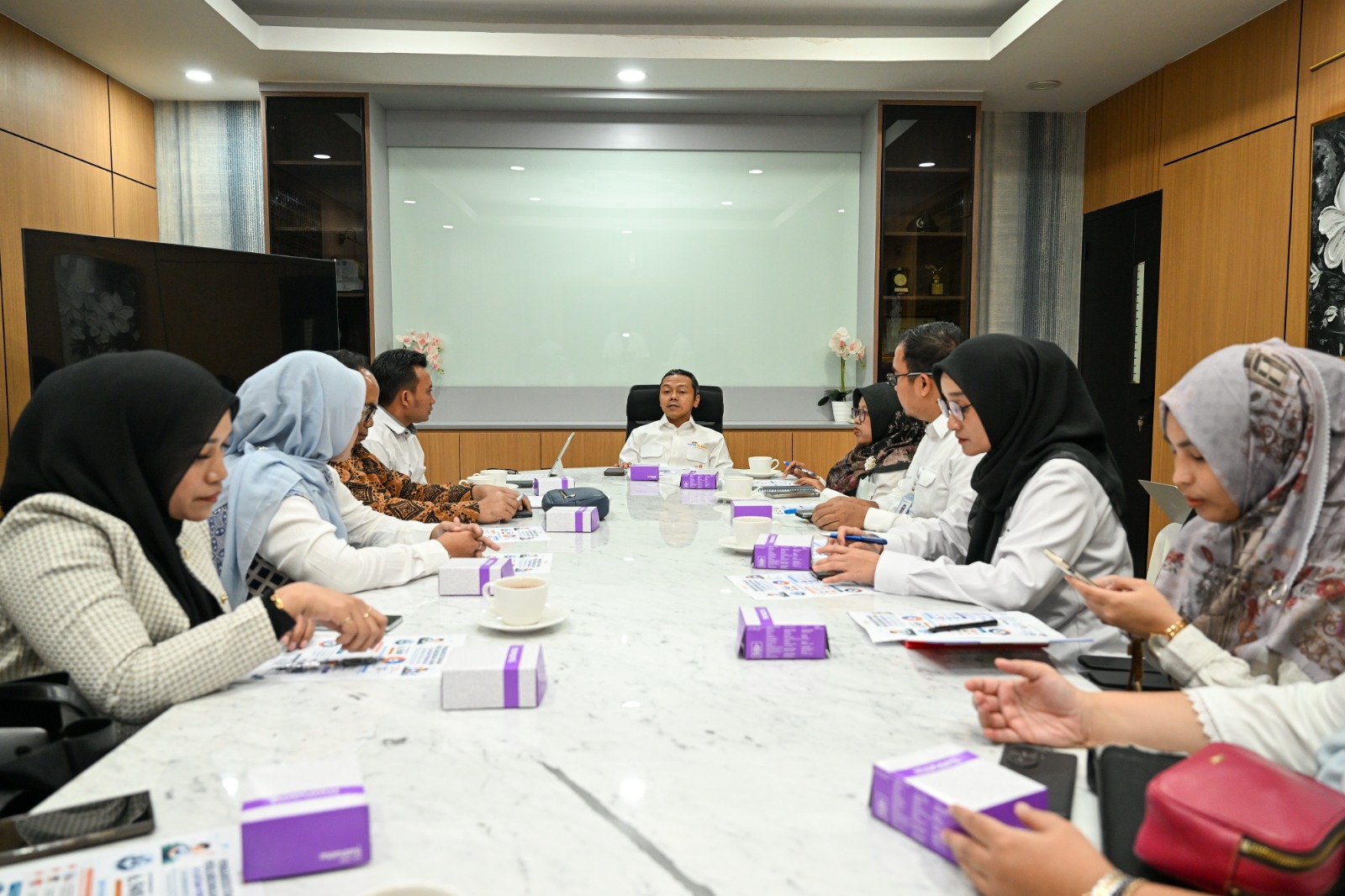
Deputy Minister of Basic and Secondary Education (Wamendikdasmen) Fajar Riza Ul Haq is encouraging that the 2026 School Environment Introduction Period (MPLS) become a momentum for strengthening child protection in schools. He made the statement while receiving an audience with the Indonesian Child Protection Commission (KPAI) at the Wamendikdasmen meeting room in Jakarta on Monday (22/6).
According to Fajar, the implementation of MPLS, which coincides closely with National Children’s Day, should be leveraged to reinforce a school culture that is safe, comfortable, and free from violence. “The findings presented by KPAI can serve as important material to strengthen this year’s MPLS. We are ensuring that schools become spaces that are safe, comfortable, healthy, and happy for every child,” he stated.
He explained that the Ministry of Basic and Secondary Education, under the leadership of Minister Abdul Mu’ti, is continuously strengthening the implementation of Ministerial Regulation No. 6 of 2026 concerning Safe, Comfortable, and Enjoyable Schools. According to Fajar, child protection cannot be achieved merely through case handling but must grow into a culture embedded in the daily life of educational units. “The issue of children cannot be separated from family and society. Therefore, we must target the root of the problem and build strong collaboration between schools, families, local governments, the media, and the community,” he said.
During the meeting, KPAI Chairperson Aris Adi Leksono presented several shared concerns, including bullying, out-of-school children (ATS), sexual violence, digital violence, and the strengthening of the family’s role. Based on KPAI data from 2023 to May 2026, there were 6,949 child complaints, with 65 percent related to the fulfilment of children’s rights. Aris also expressed appreciation to Minister Abdul Mu’ti and Deputy Minister Fajar Riza Ul Haq, along with the ministry’s ranks, for various measures taken to strengthen child protection, including the issuance of the ministerial regulation.
Responding to the report and appreciation, Fajar emphasised that handling out-of-school children is a serious concern for the ministry. In addition to strengthening formal education, the government is also pushing for the optimisation of alternative education services through Community Learning Centres (PKBM) and Learning Activity Studios (SKB) to ensure no child loses access to education.
Fajar also stressed the importance of a public communication strategy in child protection. He stated that the ministry and KPAI need to build stronger communication synergy so that the public receives complete information and is encouraged to participate. “We need to strengthen the bridge between the Ministry’s Public Relations and KPAI’s Public Relations. There must be a shared and mutually reinforcing narrative. The position of public communication is very strategic in building public awareness about child protection,” he said. He added that good practices already implemented by schools, teachers, parents, and communities must be amplified further to turn child protection into an inspiring collective movement involving more parties.