
WALHI West Sumatra Criticises Rp1.18 Billion Budget for Official Facilities
The Indonesian Forum for the Environment (WALHI) in West Sumatra has sharply criticised the West Sumatra Provincial Government’s budget policy. The provincial administration is deemed to be prioritising luxury facilities for officials with an allocation exceeding Rp1 billion, amidst a mounting ecological crisis and the plight of disaster victims who have yet to receive certainty regarding recovery.
WALHI West Sumatra Director Tommy Adam asserted that this policy reflects a serious distortion of budget priorities. “Floods, landslides, abrasion, and forest destruction continue to threaten, yet the government is busy renovating official residences and purchasing luxury facilities,” Tommy said on Thursday (18/6).
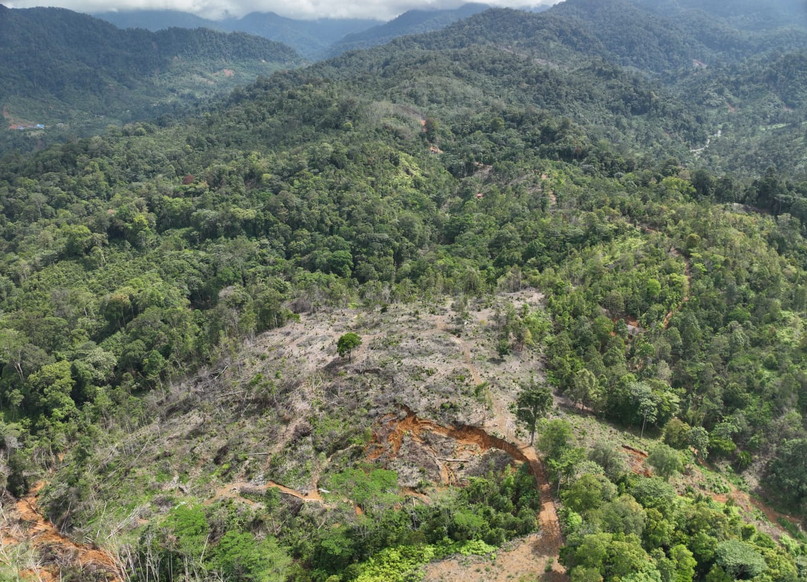
Based on procurement data compiled by WALHI West Sumatra, the total budget of Rp1.18 billion is allocated to several items. Tommy considered such expenditure to be in stark contrast with the reality on the ground. He highlighted the damage to the Aia Dingin watershed upstream in Padang City, which triggered major flooding in November 2025, as well as illegal logging activities in protected forest areas. Additionally, approximately 10,000 hectares of land have been damaged due to illegal gold mining across nine regions in West Sumatra.
Coastal residents are also experiencing alarming conditions due to abrasion, which erases an average of 56 hectares of land per year. In Padang Pariaman, residents like Samsinar (66) are still surviving in temporary shelters with no certainty of permanent housing after their homes were destroyed by flash floods last year.
In the Mentawai Islands, WALHI recorded forest damage in the Mapadegat watershed that worsened flooding in Saureinu and Silaoinan villages in May 2026. Amidst this situation, a plan to grant a forest utilisation permit covering 20,706 hectares to a private entity has also been criticised for threatening community water sources.
WALHI urged the Governor and the West Sumatra Regional People’s Representative Council (DPRD) to immediately evaluate such non-urgent spending. “Public funds should be directed towards public safety, the construction of permanent housing for disaster victims, and environmental rehabilitation, not to enhance the comfort of the elite,” Tommy stressed.