
Walhi Reveals Disposable Nappies Dominate Waste at Tulungagung's Sidem Beach
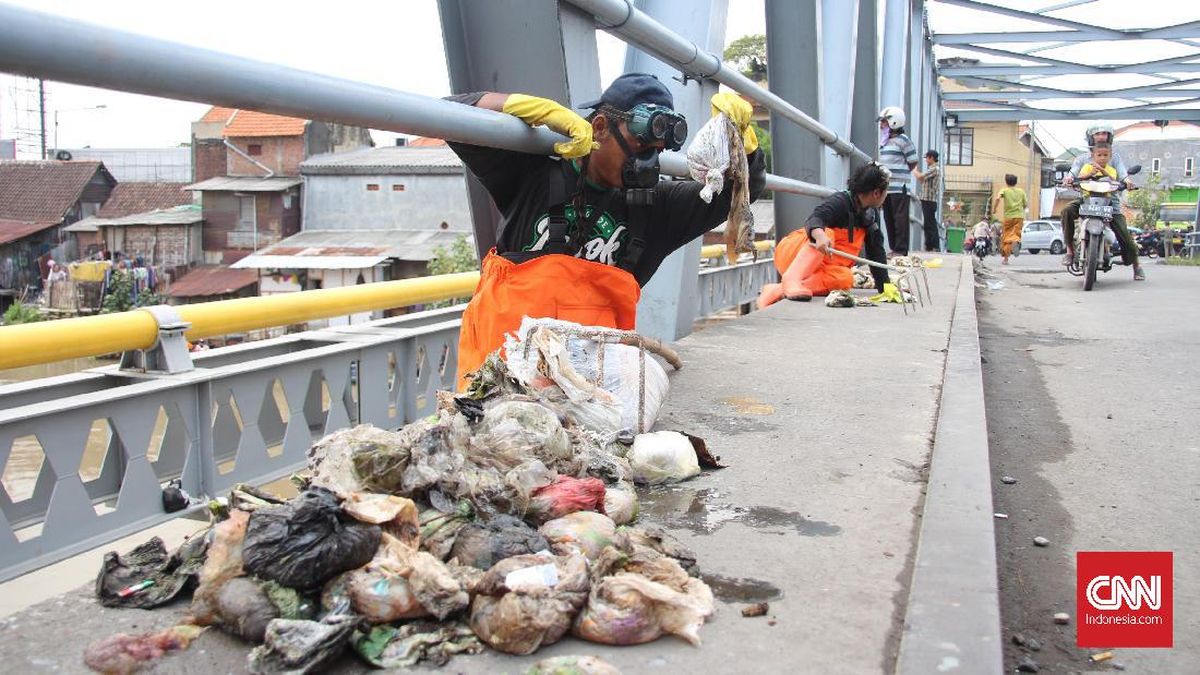
Wahana Lingkungan Hidup Indonesia (Walhi) East Java has revealed that disposable nappy waste is the most dominant type of rubbish polluting Sidem Beach in Tulungagung, followed by plastic sachet packaging and bottled water containers. The conclusion was delivered by Lucky Wahyu Wardana, Head of the Advocacy and Campaign Division of Walhi East Java, following a joint audit with various parties and environmental volunteers on Saturday (18/7). The audit identified 52 kilogrammes of disposable nappies out of a total of 153.63 kilogrammes of inorganic waste collected. ‘This finding serves as a basis to push producers to be responsible for the packaging waste they generate,’ Lucky stated on Sunday (19/7). Besides disposable nappies, Walhi recorded approximately 10 kilogrammes of branded sachet packaging, dominated by Mie Sedaap and Luwak White Coffee products. In the bottled drinking water category, the Club brand was the most prevalent with 101 units found, while Pop Mie dominated paper-based packaging with 54 units. The audit also discovered around 34 kilogrammes of unbranded single-use plastic bags. Lucky explained that brand identification was carried out to determine which producers contribute the most packaging waste, serving as a basis for advocacy to reduce single-use plastics. Siti Mutmainnah, Public Policy Manager of Walhi East Java, emphasised that the waste problem is not solely the responsibility of the government or consumers, but also of producers. She explained that producers are obliged to develop a waste reduction roadmap as stipulated in the Minister of Environment and Forestry Regulation Number 75 of 2019. ‘The results of this audit will be used as advocacy material to encourage producers to reduce single-use packaging and switch to more environmentally friendly systems,’ she said. Sidem Beach was chosen as the audit location because it is the estuary of the Niyama River, which carries waste from upstream areas. The team’s observations suggested that most of the waste was carried by river currents before being stranded on the coast. The findings were obtained through a beach clean-up and brand audit held by Walhi East Java in collaboration with the Lingkar Wilis Indonesia Alliance, the Mangkubumi Environmental Education Centre, the Himalaya Nature Lovers Student Group, and the Aksara Student Press Institute as part of the Plastic Free July campaign. During the activity, the team collected 22 sacks of waste weighing a total of 252.15 kilogrammes, then sorted and audited 153.63 kilogrammes of inorganic waste.