
WALHI Bali Raises Concerns Over Airport–Canggu Tram Project, Fears Impact on Subak
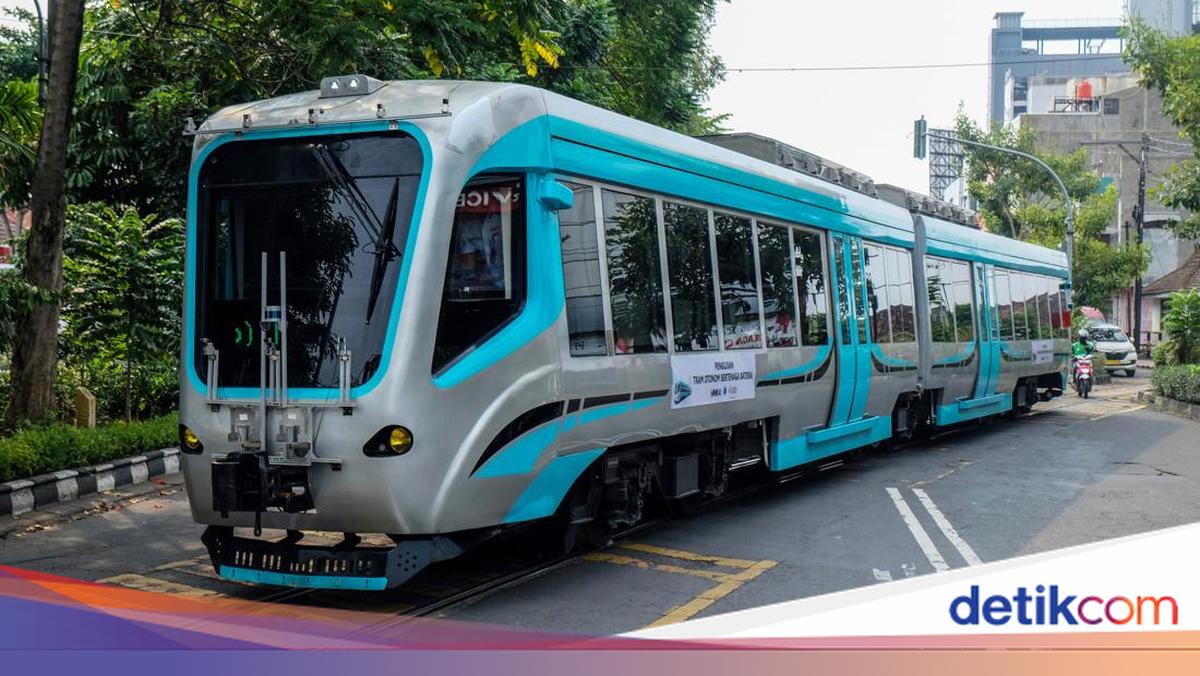
The Indonesian Forum for the Environment (WALHI) in Bali has yet to decide whether to support or oppose plans for an electric train or tram connecting I Gusti Ngurah Rai Airport to Canggu in Badung. WALHI has asked the government to disclose the project design transparently, including its route and environmental impact assessment.
The rail-based transport plan entered a new phase after PT Kereta Api Indonesia (KAI) President Director Bobby Rasyidin said on Thursday (5 November 2026) that Rp 2 trillion had been allocated to the project and that work would begin soon.
WALHI Bali Executive Director Anak Agung Gede Surya Sentana, known as Gung Surya, said the organisation was in principle in favour of developing public transport in Bali, particularly because it is needed to ease worsening traffic congestion on the island.
“We cannot yet say whether we support or oppose it, because we have not received the environmental assessment, the relevant documents or the route the railway will take. The government has not clearly published where the project will be or what it will pass through,” he told detikBali on Tuesday (10 November 2026.
Gung Surya stressed that WALHI did not oppose public transport development. However, it opposed construction that could threaten ecosystems and harm local communities.
Fears over subak land and coastal areas
He said infrastructure development should not create new problems for communities. One concern is the potential use of privately owned land, including subak land, coastal areas and sites connected to customary villages.
“Development must not end up harming the community by taking people’s land, subak land or coastal land. That would be extremely damaging. A solution must not create new problems down the line,” he said.
The concerns also relate to the land needed for the planned tram line, which is expected to run for about 12 kilometres from Ngurah Rai Airport to Canggu.
Gung Surya said a project of that length would require a substantial amount of land, particularly as the proposed route passes through southern Bali, where residential areas and tourism activity are dense.
“If this project takes subak land or people’s land, a route reported in the media to be 12 kilometres long would clearly require a considerable amount of land,” he said.
He also highlighted ongoing land conversion in the Sarbagita area, comprising Denpasar, Badung, Gianyar and Tabanan. In his view, the tram project must take this situation into account to avoid adding further pressure on the environment.
WALHI urged the government to ensure mass transport development is not driven solely by investment interests. The infrastructure must also benefit the public and safeguard the environment along the proposed route.
“Development must not benefit investors alone while disregarding the environment, particularly in the areas along the railway route,” he said.
Concerns about overtourism in Bali
WALHI also pointed to overtourism as a challenge for new infrastructure projects, especially as demand for space grows in already crowded tourist areas.
The organisation questioned how the government would ensure that the tram did not reduce residents’ living space or encroach on ecologically important areas. It also asked how communities would be prepared if land acquisition became necessary for the route.
Calls for wider public transport routes
Gung Surya also referred to public transport services already operating, including Trans Metro Dewata (TMD) and Trans Sarbagita. He said bus services were a positive step, but their routes needed to be expanded to meet residents’ transport needs more effectively.
He said limited coverage was one issue requiring review. Public transport does not yet reach some areas in need of services and remains concentrated in certain locations, including tourist destinations.
“The TMD and Trans Sarbagita buses are a very good initiative. But why does congestion persist? Their routes are still limited, covering only tourist areas and not the places where people need bus services,” he said.
He said expanding public transport was one way to reduce reliance on private vehicles, but the government also needed to ensure routes reflected people’s everyday journeys.
“Our position is clear: if development sidelines the environment and threatens or damages it, we will oppose it. But if it is sustainable and benefits the community, particularly customary communities, in the long term, we will support the programme or project,” he said.
Source: jawawa.id (https://jawawa.id/newsitem/walhi-bali-raises-concerns-over-airport-canggu-tram-project-fears-impact-on-subak-1794286228)
Originally published by detikBali (https://www.detik.com/bali/berita/d-8746192/walhi-bali-soroti-proyek-trem-bandara-canggu-khawatir-subak-terdampak), translated from Indonesian