
Walhi and Students Urge South Kalimantan Governor to Cancel Meratus Mountains National Park Proposal
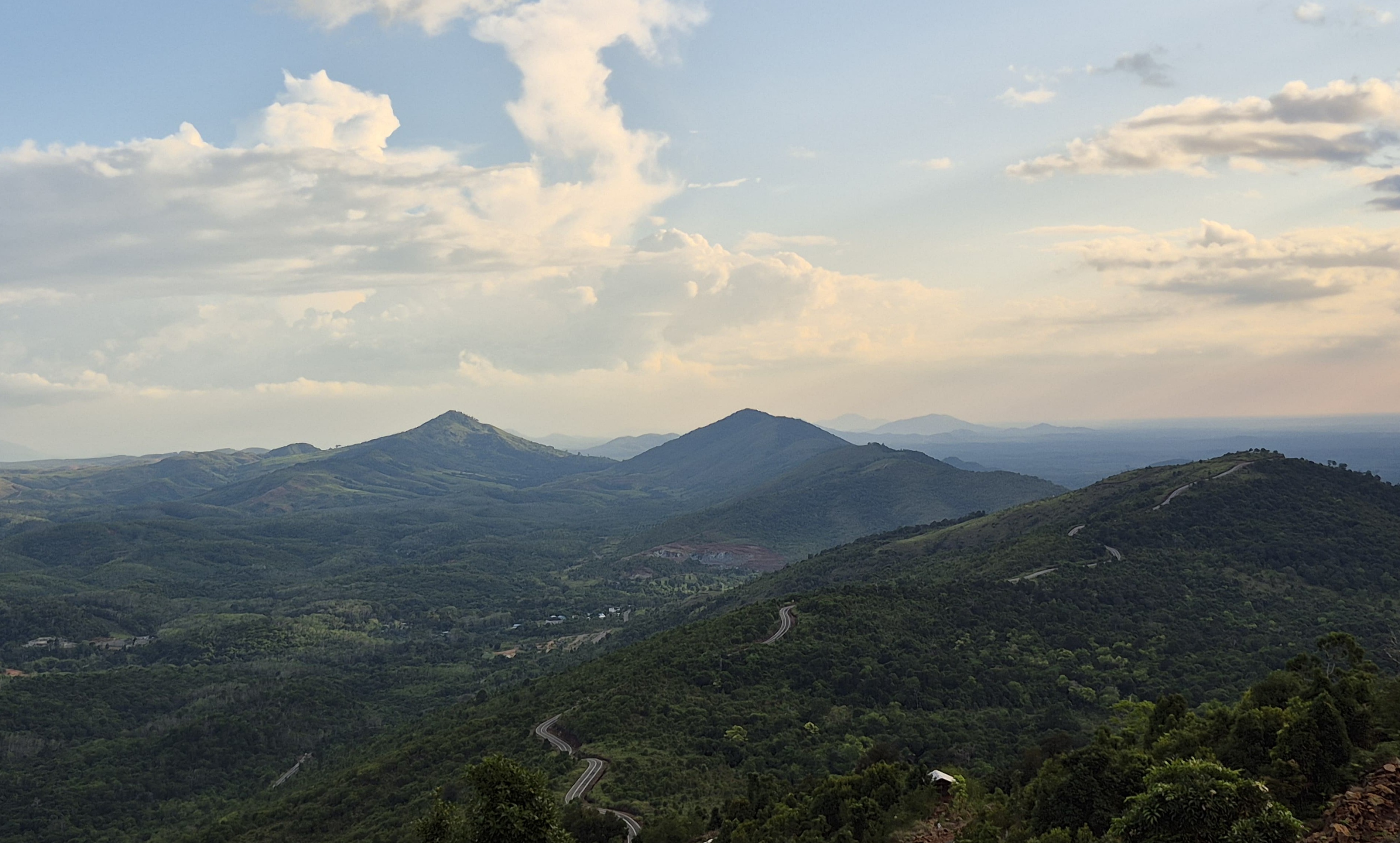
On World Environment Day in South Kalimantan, students, environmental organisations, and indigenous peoples issued an urgent plea to the South Kalimantan Provincial Government to cancel the proposal to establish the Meratus Mountains National Park. They argue that the policy poses a significant threat to dozens of indigenous communities that have long inhabited the region.
Hundreds of students, part of the BEM SI Alliance across South Kalimantan, held a protest in front of the South Kalimantan Governor’s Office in Banjarbaru last weekend. They demanded that Governor Muhidin withdraw the proposal for the Meratus Mountains National Park.
However, Governor Muhidin has maintained that the proposal will not be cancelled. This stance has drawn criticism from various civil society organisations, including Walhi South Kalimantan. Raden Rafiq Wibocation, Executive Director of Walhi South Kalimantan, stated that the Governor’s position fails to support the interests of indigenous law communities in the Meratus Mountains.
He noted that the Governor’s stance contradicts the spirit of recognising and respecting indigenous communities as stipulated in the 1945 Constitution and the Constitutional Court Decision Number 35/PUU-X/2012, which affirms that customary forests are part of indigenous territories. “The Governor of South Kalimantan should be able to demonstrate his support for indigenous communities by cancelling the Meratus Mountains National Park proposal, rather than the opposite,” he asserted.
Rubi, Chairperson of the Alliance of Indigenous Peoples of Nusantara (AMAN) South Kalimantan, added that participatory mapping in 2025 identified at least 72 indigenous communities covering an area of approximately 308,725 hectares in the Meratus Mountains. Despite this, no indigenous territory has yet been officially recognised by the state as customary forest. Rubi emphasised that cancelling the national park proposal is a necessary step for the state to first accommodate indigenous peoples, who possess their own traditional knowledge regarding regional management and conservation methods.