
Volunteer Group Says Pertamax Price Hike Unavoidable
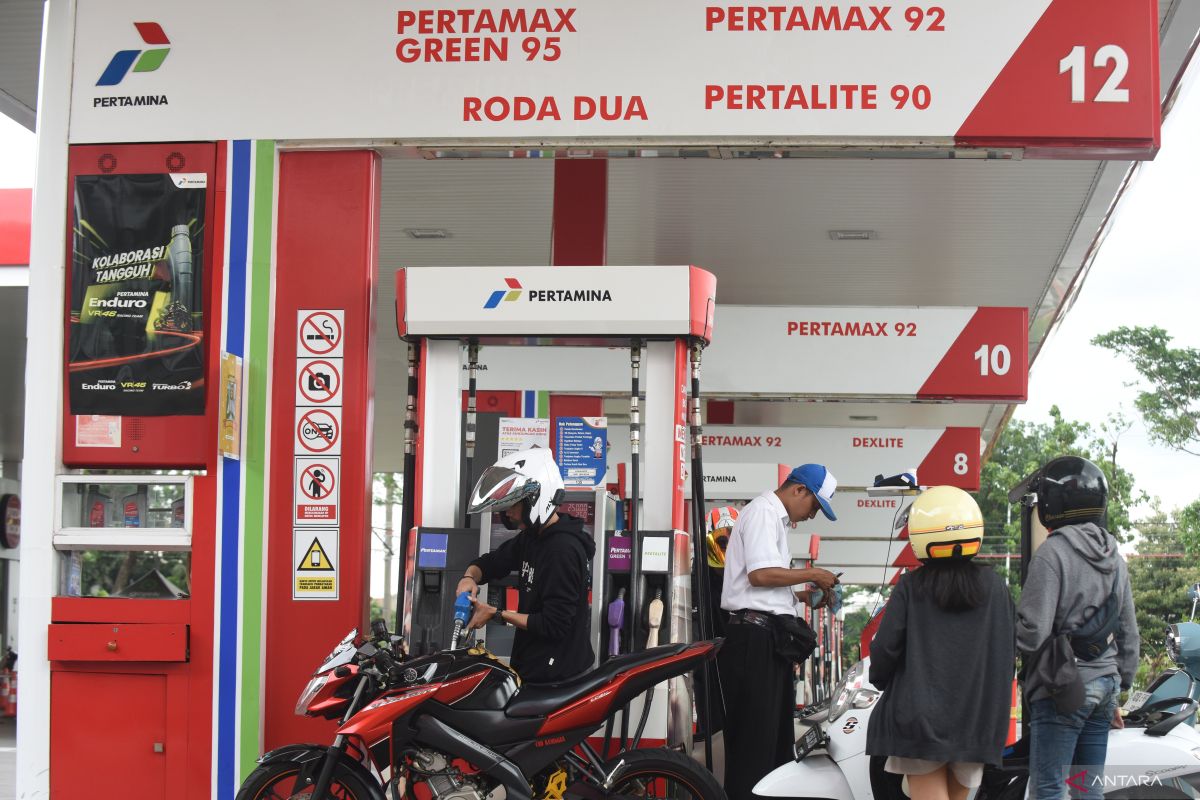
The real sector is expected to become increasingly cautious regarding business expansion. The price increase of non-subsidised fuel (BBM) has once again become a public concern following the recent rise in global energy prices. Fluctuations in world oil prices, influenced by various geopolitical factors, are believed to impact fuel price adjustments in various countries, including Indonesia.
The Chairman of Laskar Trisakti 08, Fernando Rorimpandey, assesses that the price change for Pertamax is a difficult consequence to avoid as it follows the development of energy prices in the international market. According to Fernando, non-subsidised fuel prices are fundamentally dynamic and can experience both increases and decreases in accordance with global market conditions.
“Non-subsidised fuel prices are indeed heavily influenced by the development of world oil prices. When global energy prices rise, it will certainly put pressure on domestic selling prices. Conversely, if world prices fall, fuel prices also have the potential to undergo adjustments,” he stated in a written statement on Tuesday (10/6).
Fernando added that the government remains committed to maintaining public access to subsidised fuels such as Pertalite and Solar to ensure the economic sector of the community continues to function. In his view, this policy is one of the efforts to maintain public purchasing power amidst global economic uncertainty.
He also assessed that the current energy price pressure is not only experienced by Indonesia but also by various other countries facing the impacts of geopolitical tensions and international commodity price fluctuations. Nevertheless, Fernando believes Indonesia’s current economic condition differs from the economic crisis period in the late 1990s. He noted that the national economic fundamentals remain relatively well-maintained and are supported by a better democratic system and financial sector stability.
“The current situation is different from previous crisis conditions. Challenges certainly exist, but Indonesia’s economic foundation is much stronger now, and various economic management instruments are better prepared to face global volatility,” he said.
Fernando urged the public to remain calm and not be easily influenced by information that could trigger panic amidst the dynamic global economic situation. He hopes that all parties can work together to maintain stability and support the various efforts undertaken by the government in facing economic challenges arising from external factors.
“We need to view this situation objectively. The challenges currently faced are not only borne by Indonesia but also by many other nations. Therefore, cooperation and optimism are required so that the national economy can continue to grow and remain stable,” Fernando concluded.