
Volcanic Eruptions Found to Clean Methane Pollution in the Atmosphere
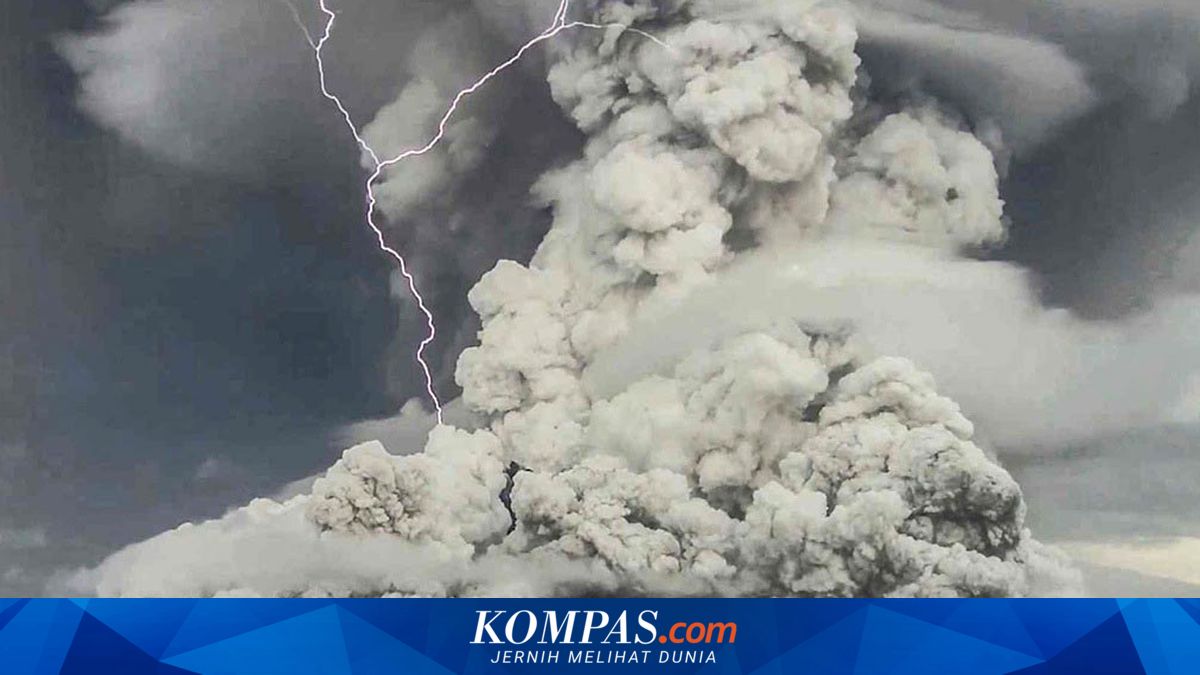
The underwater volcanic eruption of Hunga Tonga–Hunga Ha’apai in the South Pacific in January 2022 was recorded as one of the most powerful eruptions in modern history. However, two years after the event, scientists have found an entirely unexpected side effect: this massive eruption actually helped clean methane gas pollution from Earth’s atmosphere.
This discovery, recently published in the journal Nature Communications, is believed by researchers to provide vital clues for accelerating technologies designed to tackle global warming. The TROPOMI instrument on the European Space Agency’s (ESA) Sentinel-5P satellite detected massive concentrations of formaldehyde in the stratosphere. In atmospheric chemistry, the presence of formaldehyde serves as a key indicator or ‘fingerprint’ that methane gas is being extensively broken down and destroyed.
‘When analysing satellite imagery, we were surprised to see clouds with the highest concentrations of formaldehyde ever recorded. We were able to track these clouds for 10 days as far as South America. Since formaldehyde usually only lasts for a few hours, this proves that the clouds were continuously destroying methane for more than a week,’ explained Dr Maarten van Herpen from Acacia Impact Innovation BV, the study’s lead author, as cited by SciTechDaily.
Previously, volcanoes were known to release methane during eruptions. However, the fact that volcanic ash is capable of partially cleaning up this pollution is new information in the scientific world. Researchers explained that the Tonga eruption accidentally triggered a unique chemical process similar to the phenomenon of Saharan dust over the Atlantic Ocean (Iron Salt Aerosols).
When Mount Tonga erupted, it did not only eject ash but also propelled large amounts of salty seawater directly into the stratosphere. Under exposure to sunlight, this mixture of volcanic ash and salt produces highly reactive chlorine atoms. These chlorine atoms then attack and dismantle methane gas molecules in the air.
Professor Matthew Johnson from the University of Copenhagen noted that this phenomenon is highly surprising because it occurs in the stratosphere, where physical conditions are entirely different from the lower atmosphere. For context, the eruption is estimated to have released approximately 300 gigagrams (Gg) of methane—equivalent to the annual emissions of two million cattle. However, simultaneously, the volcanic cloud was capable of eliminating about 900 megagrams (Mg) of methane per day. Methane is a greenhouse gas responsible for one-third of current global warming.