
Volcanic Ash Fall: 9 Ways to Protect Your Respiratory System and Eyes
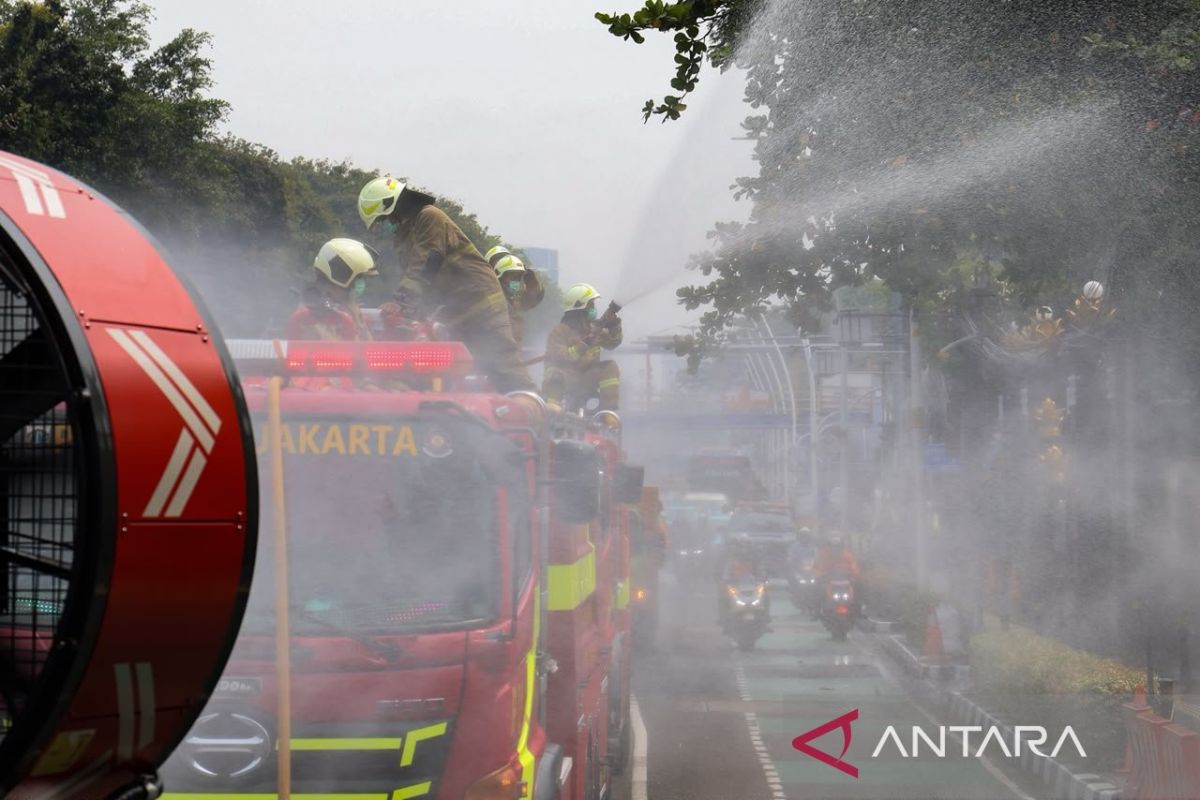
Volcanic eruptions can carry volcanic ash to areas far from the centre of the explosion. Inhaled ash particles can disrupt the respiratory tract, while exposure to the eyes and skin can also cause irritation. Therefore, it is vital for the public to know the correct protective measures when ash fall occurs.
Volcanic ash consists of fine particles resulting from an eruption that can be carried by the wind. Exposure to ash and volcanic gases can cause eye and respiratory tract irritation, particularly in children, the elderly, and individuals with respiratory conditions such as asthma.
Here are several steps that can be taken to reduce the risk of exposure to volcanic ash.
- Enter your home immediately
When volcanic ash begins to fall, people should stay indoors and reduce outdoor activities. Close doors and windows to prevent ash from easily entering.
If possible, turn off air conditioners, fans, or ventilation systems that draw air from the outside during the ash fall. This step helps reduce the entry of ash particles into the house.
However, the public must still follow the instructions of officials. If the local government orders an evacuation, residents must immediately leave the affected area via the designated routes.
- Use an appropriate mask or respirator
If you must go outside while ash is still airborne, use a particulate respirator with high filtration capabilities. The CDC recommends NIOSH-approved N95 respirators to reduce exposure to volcanic ash when outdoors or when cleaning up ash.
An N95 must fit tightly to the face to function effectively. Gaps around the nose or cheeks can allow air containing particles to enter through the sides of the respirator.
If an N95 is unavailable, a standard dust mask may be a last resort to reduce exposure, but its level of protection is not equal to a particulate respirator. Therefore, time spent outdoors should still be limited.
- Protect your eyes
Volcanic ash can irritate the eyes. Use protective eyewear or goggles when you must be outdoors, especially while ash is falling or when cleaning an environment covered in ash.
Avoid rubbing your eyes with your hands if they are exposed to ash. Clean your eyes gently with clean water and seek medical assistance immediately if severe irritation or vision disturbances persist.
- Protect your skin
Wear long-sleeved clothing and long trousers when you must be outdoors. This step can help reduce direct contact between ash and the skin, which has the potential to cause irritation.
After returning indoors, clean any parts of the body exposed to ash and change your clothes if they have become dirty.
- Limit outdoor activities
During ash fall, the public should avoid going outside unless there is an urgent need. Longer exposure means an increased amount of ash that can be inhaled.
High-risk groups, including children and those with asthma or heart and lung diseases, need to avoid exposure more strictly. Ash and volcanic gases can exacerbate existing respiratory disorders.
For those who have routine medication for respiratory diseases, such medication should remain available and be used according as directed by a doctor.
- Be careful when cleaning ash
Settled ash is not necessarily harmless. Activities such as sweeping or cleaning ash can cause particles to become airborne again and be inhaled.
Use an appropriate respirator and eye protection when cleaning ash. Avoid sweeping or lifting ash roughly so as not to generate excessive dust.
Building roofs also require attention. Accumulated volcanic ash can add weight to the roof. However, cleaning roofs carries a risk of falling, so it should be done very carefully and in accordance with the instructions of local officials.
- Avoid driving during heavy ash fall
Driving when volcanic ash is falling heavily can endanger safety. Ash can reduce visibility and make road conditions slippery.
Furthermore, vehicles passing through layers of ash can stir particles into the air. Ash also has the potential to enter engines and cause vehicle malfunctions. Therefore, travel should be postponed until conditions are declared safe.
If driving is absolutely necessary, close vehicle windows and avoid using air conditioning systems that draw air from the outside.
- Monitor water and food conditions
Volcanic ash can contaminate water sources and food surfaces. Therefore, food and water containers should be covered during ash fall.
If a water source is affected by ash and its quality is questionable, use other safe water sources until there is certainty that the water is fit for use.
- Follow official government information
The most important step during an eruption is to follow information from local governments, the Geological Agency, the Centre for Volcanology and Geological Disaster Mitigation (PVMBG), the National Disaster Management Agency (BNPB), and related agencies.
The public is advised not to decide for themselves whether an area is safe to visit. Instructions regarding danger zones, evacuations, or permitted activities may change following the development of the eruption.
When to seek medical help?
Seek medical assistance immediately if, after exposure to ash, severe respiratory disturbances, shortness of breath, chest pain, severe dizziness, or other symptoms appear that do not improve after moving away from the source of exposure.
Exposure to ash and volcanic gases can cause eye and respiratory tract irritation, while high concentrations of certain gases can cause more serious health disturbances.
Fundamentally, protection from volcanic ash is achieved by reducing exposure as much as possible. Staying indoors, closing access points for ash, using appropriate respirators when going outside, protecting eyes and skin, and following official instructions are key steps.