
Volcanic ash entering homes? Here are 7 ways to clean it
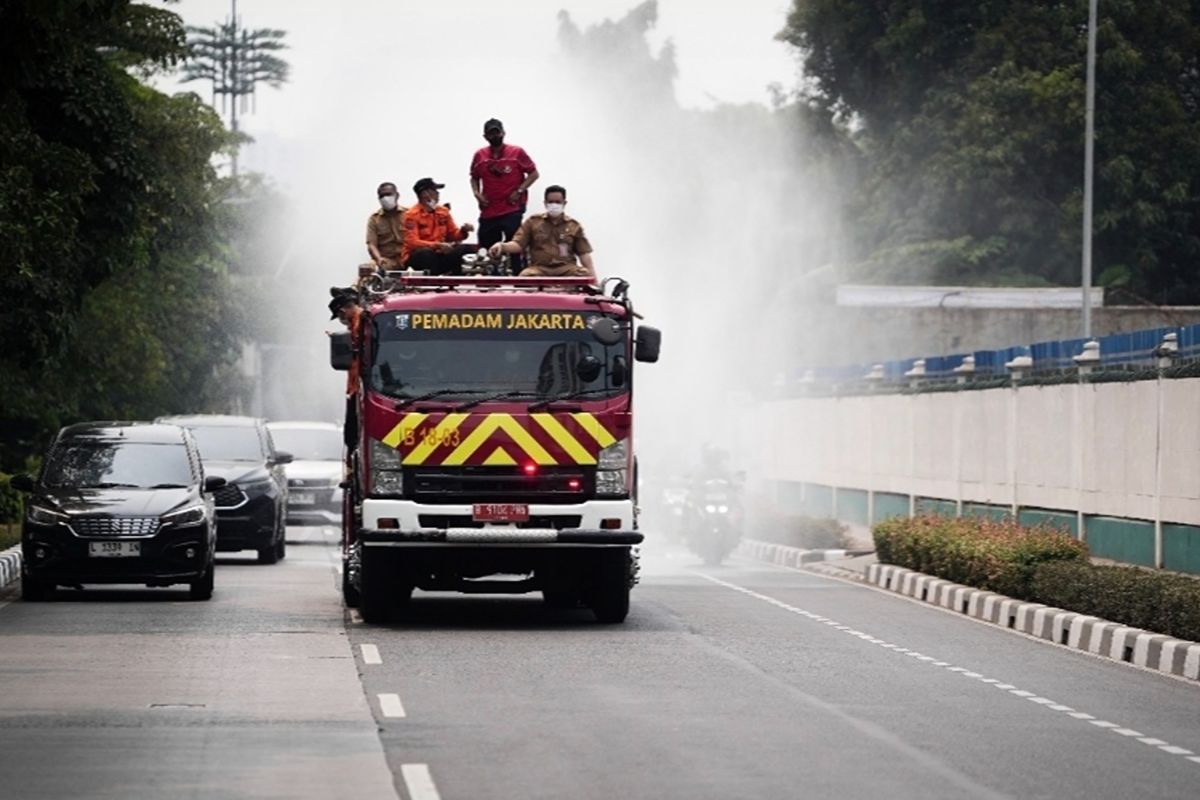
Jakarta (ANTARA) - The eruptions of Mount Anak Krakatau in recent days have drawn significant attention after volcanic ash spread across several regions. The eruptions, which have been ongoing since Friday (4/9), have impacted Banten, DKI Jakarta, and West Java due to wind dispersal. The Ministry of Health (Kemenkes) has urged residents in affected areas to reduce outdoor activities, as exposure to volcanic ash can cause eye and skin irritation, as well as respiratory disturbances.
The impact of the eruption is also felt in public activities. The dispersal of Anak Krakatau’s volcanic ash temporarily disrupted operations at several airports, including Soekarno-Hatta International Airport, as ash can pose a danger to aviation. This situation demonstrates that volcanic ash can be carried by wind quite far from the source of the eruption.
For residents living in affected areas, the problem is not only when ash falls outside the house. Extremely fine ash particles can also enter through gaps in doors, windows, and ventilation, or even be brought inside via clothing and footwear.
So, what should be done if volcanic ash has entered the home?
- Close doors and windows
The first step is to limit the entry of additional ash. Close doors, windows, and any other gaps that allow outside air to enter tightly. If using fans or air conditioning units that draw air from the outside, it is advisable to turn them off temporarily. Closing access to outside air can help reduce the concentration of ash indoors.
- Avoid dry sweeping
Volcanic ash consists of very fine particles. When swept dry, the ash can become airborne again and may be inhaled. Therefore, cleaning should be done carefully. For certain surfaces, use methods that do not cause the ash to fly back into the air. The Ministry of Health also recommends using vacuum cleaners with good filtration systems to clean ash indoors.
- Clean the house once outdoor conditions are safer
If ash is still falling, it is best not to rush into large-scale cleaning inside the house. Wait until outdoor conditions are more suitable for cleaning. The Ministry of Health’s guidelines state that cleaning the interior of the house should be done after the outdoor areas have been cleaned. This is to prevent ash from outside being brought back in, which would necessitate repeating the work.
- Use a mask while cleaning
Cleaning volcanic ash still carries the risk of particles entering the respiratory tract. Therefore, use a mask capable of filtering particles, such as N95, KN95, KF94, or FFP2 if available. The Ministry of Health also suggests using eye protection or goggles, especially when ash is still heavily airborne.
- Clean surfaces and belongings thoroughly
Ash adhering to tables, floors, chairs, carpets, and furniture needs to be cleaned thoroughly. For suitable surfaces, use a high-filtration vacuum cleaner so that the ash does not become airborne again. Clothing and footwear used while outdoors should also be cleaned before being brought into clean areas of the house. This is important because ash can be carried from the outside into the home.
- Do not rub your eyes if exposed to ash
If ash enters your eyes, do not rub them immediately. The Ministry of Health advises cleaning the eyes with water and, if necessary, using eye drops. If symptoms such as coughing, shortness of breath, or eye irritation do not improve, seek medical assistance at a healthcare facility immediately.
- Continue to monitor official information
The dispersal of volcanic ash can change depending on volcanic activity and wind direction. Therefore, the public should not rely solely on information circulating on social media. Monitor information from PVMBG, BMKG, BNPB, BPBD, and the Ministry of Health, particularly regarding eruption developments, ash dispersal direction, air quality, and public activity advisories.
The eruption of Mount Anak Krakatau serves as a reminder that volcanic ash is not always just a problem for those living near the volcano. When carried by the wind, ash can reach quite distant areas and enter residential environments. By closing access to ash, using respiratory protection during cleaning, and cleaning carefully, the risk of volcanic ash exposure inside the home can be reduced.