
Volcanic Activity at Mount Ile Lewotolok Intensifies, Eruption Frequency and Tremors Increase
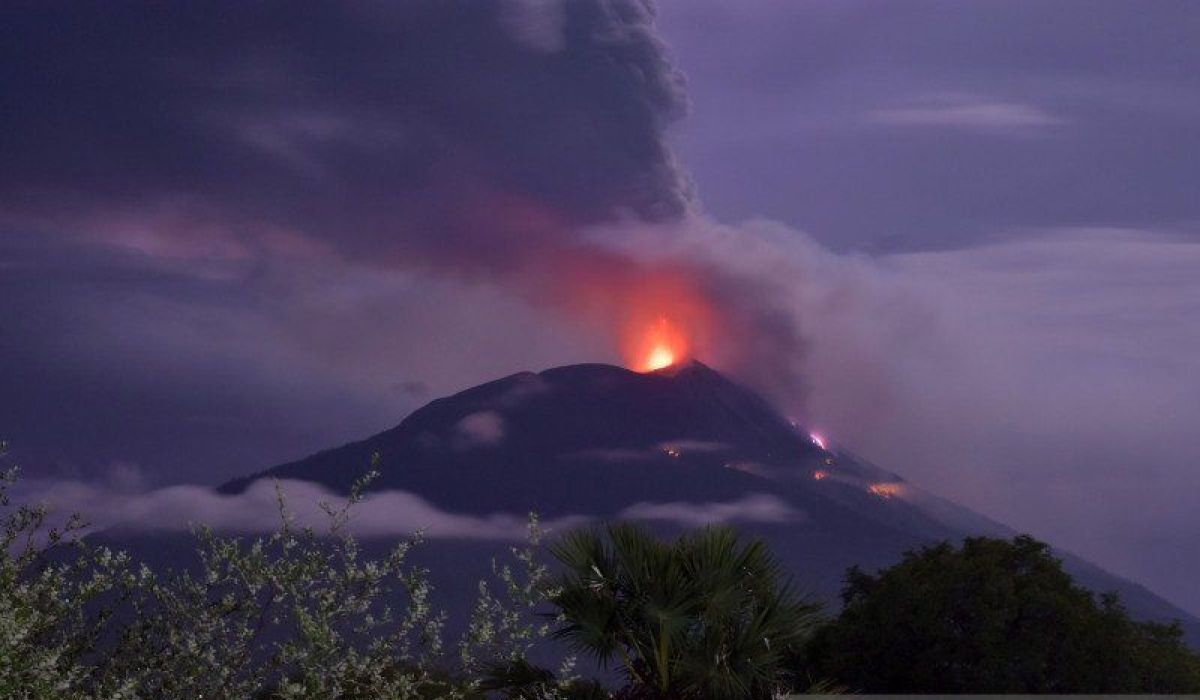
The Ile Lewotolok Volcano Observation Post (PGA) has reported an increase in volcanic activity on the mountain located in Lembata Regency, East Nusa Tenggara (NTT). This increase is marked by a surge in the frequency of eruptions and fairly strong rumbling sounds in recent weeks. PGA Ile Lewotolok officer Stanislaus Arakian stated that this increasing trend began to be observed in mid-June 2026 and has continued into early July. Based on both visual and instrumental monitoring data, there has been a significant rise in the number of eruption events. “Although it is showing increased activity, the current activity level of Mount Ile Lewotolok remains at Level II or Waspada (Alert),” Stanislaus said in an official report received in Kupang on Wednesday (8/7/2026). Since its status was lowered to Level II on 24 February 2026, the volcano’s activity has been fluctuating. However, entering the June to July period, the intensity of eruption earthquakes and gusts increased sharply. In fact, the rumbling sounds from the crater were reported to be strong enough to shake the walls of houses and window panes of residents around the slopes of the mountain. Based on statistical records from the PGA Post, visual observation of the crater showed white smoke with a height ranging from 20 to 400 metres. The eruption column itself was observed reaching 100 to 600 metres above the peak, with white to grey colouration. Officers also noted the ejection of incandescent material as far as 200 to 500 metres towards the southeast and 100 metres towards the south. Real-time Seismic Amplitude Measurement (RSAM) measurements indicate an increase in energy, although the overall value is still below the seismic energy level recorded in June 2026. In response to these conditions, the Centre for Volcanology and Geological Hazard Mitigation (PVMBG) has issued several recommendations for local communities and tourists. Stanislaus also urged the public to remain calm and not panic when hearing rumbling or booming sounds. “These sounds are a typical characteristic of a volcano that is in an eruption phase,” he concluded.