
Vocational Education Key to Preparing Transport Industry Workforce
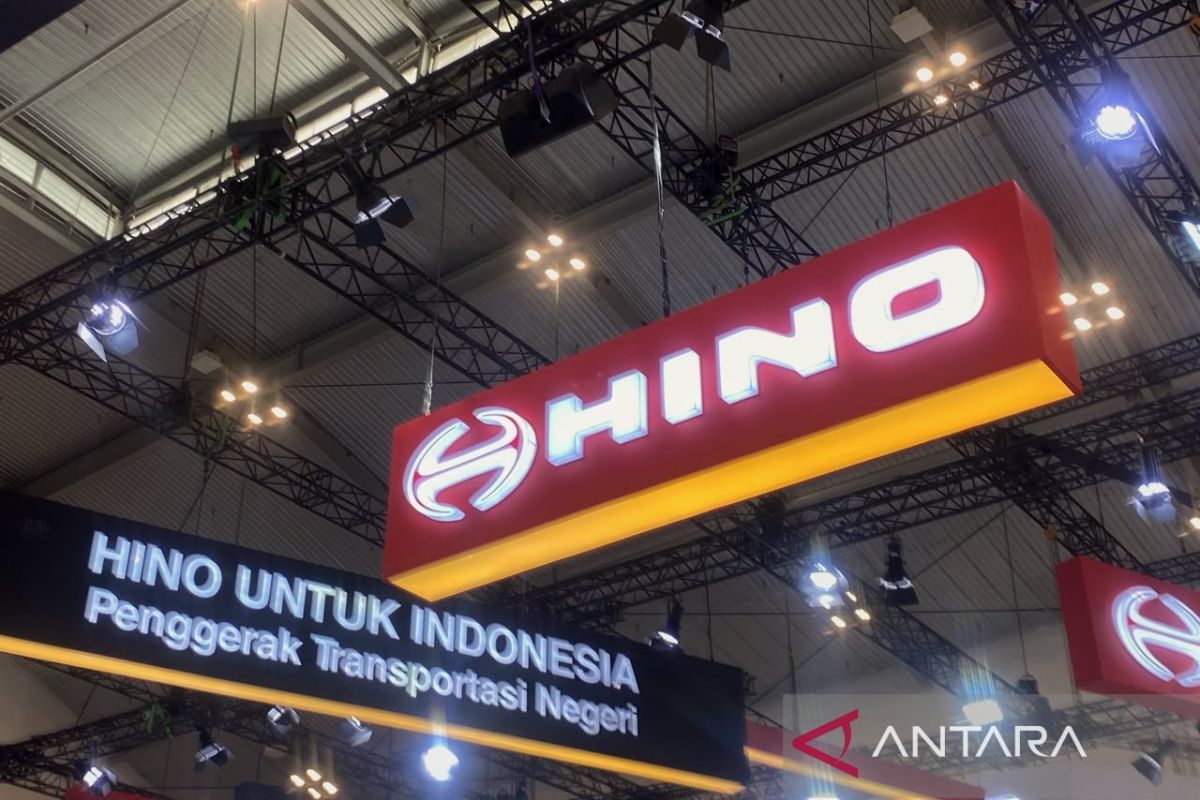
The development of vehicle technology requires the transport industry to not only prepare products and infrastructure but also human resources capable of adapting to technological changes through education. Sales & After Sales Director of HMSI, Susilo Darmawan, stated that a panel discussion titled “Building a Superior Vocational Generation for Indonesia’s Future Transport Industry” is a crucial factor in maintaining the sustainability of the commercial vehicle industry in Indonesia. “For Hino, supporting the education sector is part of our contribution to Indonesia. Through collaboration with the government, we aim to help produce graduates who are ready to work and meet the industry’s needs,” Susilo said in an official statement on Monday. The discussion, which involved the government, industry, and dealer networks, highlighted the need to align the competencies of vocational school graduates with the demands of the workplace, especially amidst increasingly complex vehicle technology. “Vocational education plays a strategic role in preparing human resources that match the industry’s needs,” said Arie. He noted that collaboration between schools and the industrial sector is an essential part of building student competencies. This approach can be implemented through curriculum alignment, teacher training, certification, and industrial work placements. In the commercial vehicle sector, the need for human resources extends beyond conventional technical skills to include the technological advancements applied to vehicles and their supporting systems. HMSI has developed the Hino Indonesia Partnership School (HIPS) programme to bridge the needs of vocational schools and the industry. The programme includes curriculum alignment, teacher training, learning media, competency certification, and industrial work placements. Meanwhile, competency development does not stop once students complete their formal education. Hino Academy & Customer Centre Division Head at HMSI, Pieter Andre, views human resource development as a long-term investment for the transport industry. “Through the Hino Indonesia Academy and partnerships with vocational schools, we want to ensure the birth of a workforce that not only understands vehicle technology but is also ready to provide the best service to customers,” said Pieter Andre. On the other hand, dealer networks also play a role in bridging education and the world of work. Besides serving as locations for industrial work placements, dealers can become places for competency development while opening opportunities for vocational graduates to enter the industry. Synergy between the government, schools, industry, and dealer networks is essential so that the workforce preparation process does not stop at education but continues into employment. This approach allows the transport industry’s human resource needs to be anticipated alongside changes in vehicle technology.