
Vladimir Putin, Once Xi Jinping's Role Model, Now a Junior Partner
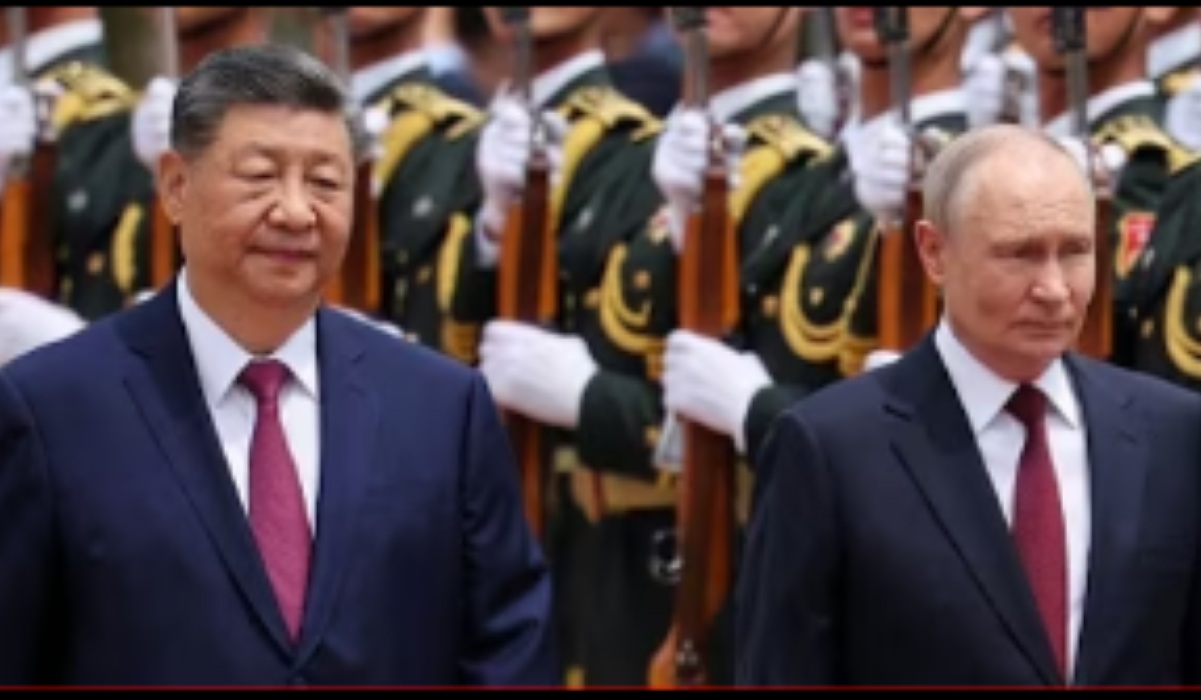
The relationship between Chinese President Xi Jinping and Russian President Vladimir Putin has undergone a significant structural shift. If at the start of his term in 2013 Xi referred to Putin as a role model, that dynamic has now completely changed. Four years of war in Ukraine and economic isolation from the West have placed Putin in a weaker position, making him the more demanding party in an increasingly unbalanced partnership. The most obvious indication of this imbalance was seen during Putin’s 14th visit to China in May. Moscow’s primary ambition was to secure a green light for the Power of Siberia 2 gas pipeline project. However, the Russian delegation hit a wall, with Chinese officials insisting they would only sign a deal if Russia sold the gas at a very low price, essentially equivalent to domestic Russian tariffs. In essence, Beijing asked the Kremlin to subsidise the project. Putin left Beijing after signing 42 agreements, but the much-needed gas pipeline deal was not among them. Veteran business executive in China, Joerg Wuttke, described the situation sharply, saying Xi received Putin like an emperor receiving a guest at his palace, then sent him home. The shift in dependency is also evident in finance, where Moscow finally agreed to use the yuan as the primary currency for a regional development bank under the Shanghai Cooperation Organisation, a move it had resisted for over a decade to maintain influence in Central Asia. Cracks are also appearing over Russia’s military engagement with North Korea. Beijing is uncomfortable with the deployment of North Korean troops to aid Russia in Ukraine, fearing that Russian military technology transfers to Pyongyang will push South Korea and Japan closer to the United States, undermining China’s regional strategy. Beijing even reportedly asked Putin not to visit Pyongyang directly after Beijing to avoid the authoritarian axis narrative Xi Jinping wishes to avoid. Analysts predict China is playing a long-term strategy of ‘marinating’ Russia, waiting for Moscow’s economic situation to deteriorate further so it will accept terms that fully benefit Beijing. Alexander Gabuev, director of the Carnegie Russia Eurasia Center, stated that China has a significant opportunity to transform Russia into a giant version of Laos or Pakistan: a deeply dependent, connected state that views China as a model of modernity and its primary source of economic survival.