
VKTR Builds National Electric Vehicle Industry Ecosystem in Central Java
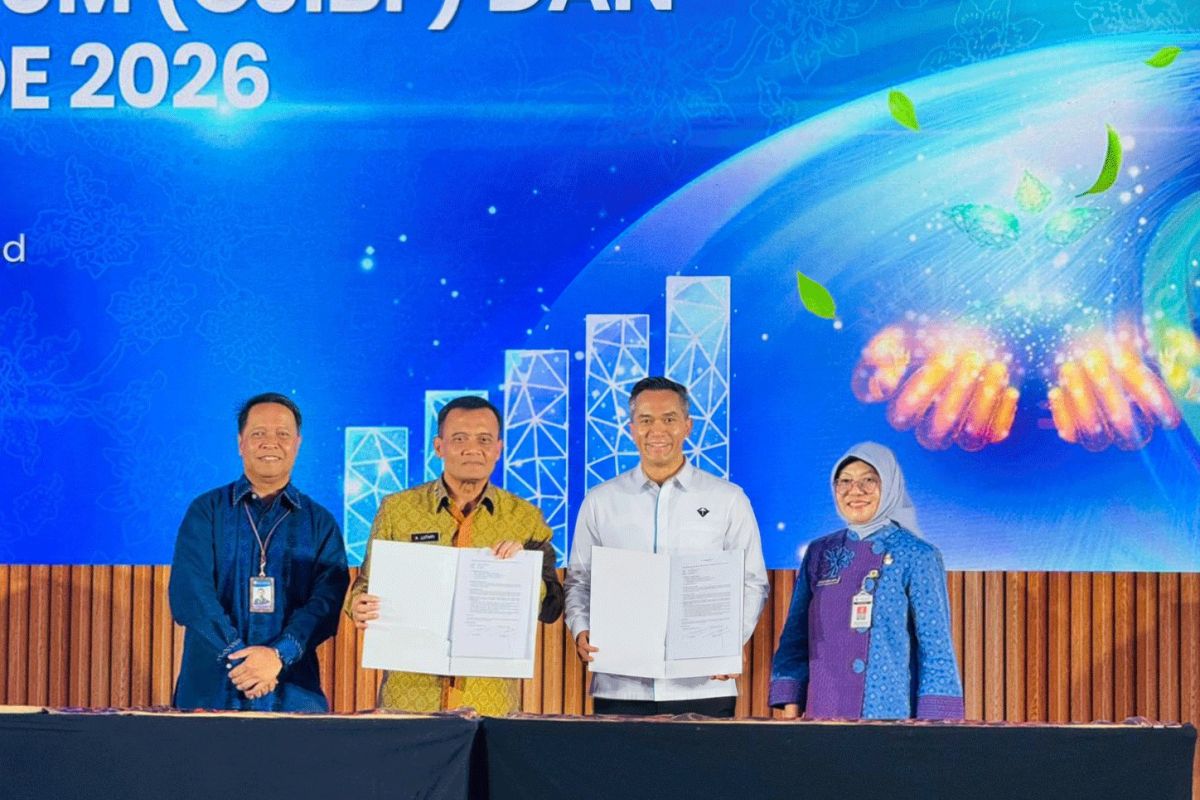
Central Java is not merely an investment location for VKTR, but a strategic foundation for building the localisation of the national electric vehicle industry. Semarang (ANTARA) - The significant potential of Central Java for developing the national electric vehicle industry ecosystem is attracting investors, one of which is PT VKTR Teknologi Mobilitas Tbk, known for its electric vehicle industry. VKTR’s Chairman Anindya N. Bakrie, in Semarang on Monday, stated that Central Java is not just an investment location for VKTR, but a strategic foundation for building the localisation of the national electric vehicle industry. He conveyed this during a talkshow session focused on “Success Story in Making Investments and Developing Businesses in Central Java”, as part of the Central Java Investment Business Forum (CJIBF) 2026. He views Central Java not merely as an investment location, but as a strategic foundation in building an integrated national commercial electric vehicle value chain, from manufacturing, supply chain, to operations. “With the readiness of the ‘supply chain’, especially the coachbuilding industry, as well as strong regional government support, we see great potential to develop an integrated and sustainable commercial electric vehicle ecosystem from Indonesia for Indonesia,” he said. Currently, VKTR has built an assembly facility in Magelang, Central Java, which currently has a production capacity of up to 3,000 units of electric buses and trucks per year, with plans to expand to 10,000 units. Central Java’s main advantage lies in the readiness of the coachbuilding industry supply chain, especially in the Magelang area and surroundings, which has long been known as one of Indonesia’s coachbuilding industry centres. VKTR partners with Karoseri Tri Sakti to integrate the production of commercial electric vehicles, considering that in the bus industry, the chassis and body (coachbuilding) form an inseparable product unit. Currently, VKTR’s 12-metre and 8-metre electric bus products have obtained Domestic Component Level (TKDN) certification above 40 percent from the Ministry of Industry. VKTR’s electric truck products have also achieved TKDN above 30 percent based on “self-assessment”, and target an increase in TKDN to above 60-80 percent by 2030 as a concrete step in promoting national industry independence. Central Java’s location also provides significant logistical advantages, especially in distribution across the island of Java as the main market for national transportation and logistics. In addition to participating in the CJIBF event, VKTR also took part in the signing of the Minutes of Cooperation for Environmentally Aware Development and Energy Resilience with the Central Java Provincial Government. This cooperation also includes the preparation of a roadmap for the development of an integrated electric vehicle ecosystem and green industry in Central Java. Meanwhile, the Governor of Central Java appreciated VKTR’s presence and considered it evidence that Central Java is increasingly trusted as a progressive and future-oriented investment destination. “With the spirit of collaboration, the Central Java Provincial Government is open to investments and invites all stakeholders to prioritise the use of local production,” he said. These efforts not only drive economic growth, he said, but also create real impacts for Central Java, from increasing job opportunities for the community, the growth of local industries, to the formation of a strong and competitive domestic supply chain.