
Vivax, Cinchona and Indonesia’s Contribution to the World
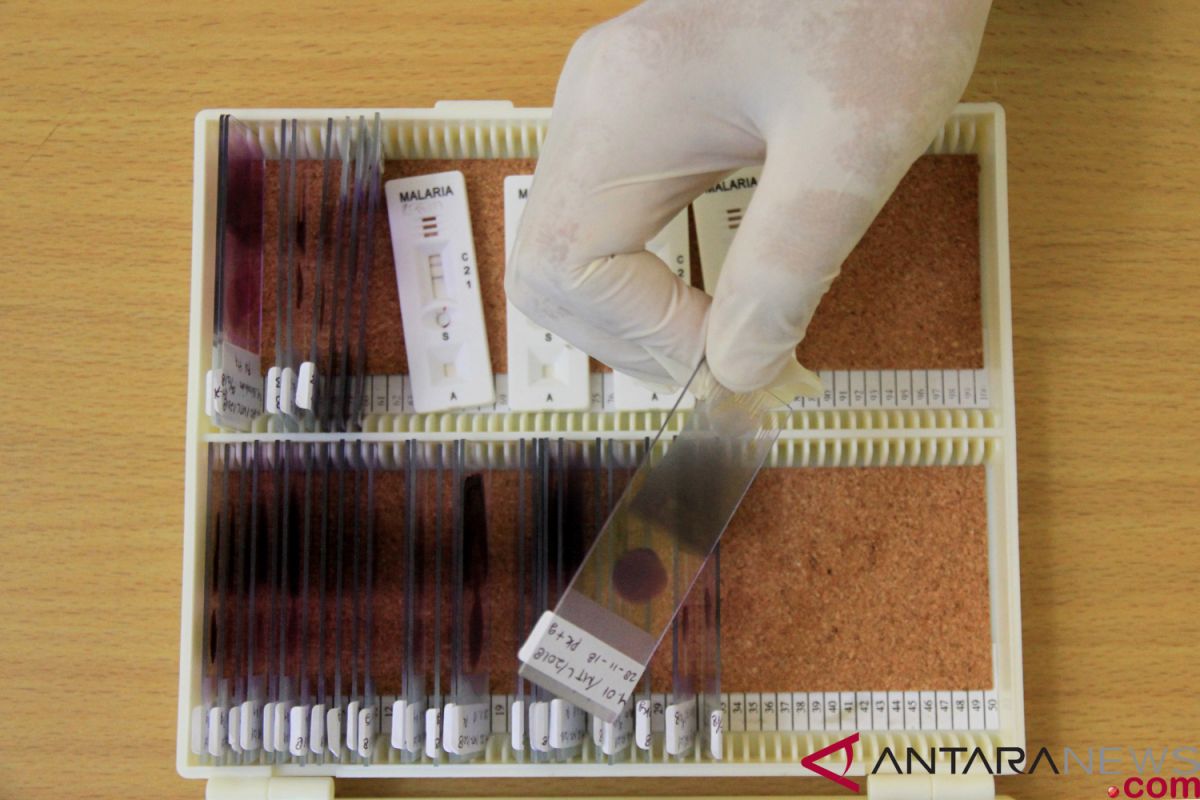
Malaria vaccines and herbal medicines may seem like unrelated stories, but they share a common thread. Both draw on Indonesia’s distinctiveness: a parasite the rest of the world has not tackled, and plants that have yet to be fully tested in the country itself.
Jakarta (ANTARA) – In February 1858, in a hut in Dodinga, Halmahera, renowned anthropologist Alfred Russel Wallace lay suffering bouts of chills and sweating. Malaria kept him ill for days in the small village, surrounded by low hills.
Between bouts of fever, the idea of natural selection occurred to him. He wrote it down and sent it to Charles Darwin in England.
The paper was dated Ternate, leading the world to believe that the theory of evolution was born on the Spice Islands. But Wallace’s field journal, held at the Linnean Society in London, records otherwise: he spent February in Halmahera, ill, and did not return to Ternate until 1 March. For his fever, and that of his assistants, he relied on cinchona.
A century later, malaria remained the newly independent nation’s greatest public health enemy. On 12 November 1959, President Soekarno sprayed DDT, a synthetic pesticide, inside a resident’s home in Kalasan village, Yogyakarta, marking the start of a nationwide malaria eradication campaign.
Five years later, about 63 million people were protected, and the date came to be commemorated as National Health Day. The mass spraying campaign covered homes across Java, Bali and Lampung.
The eastern regions had to wait longer. By 2026, about 80 per cent of regencies and municipalities had been declared malaria-free, while 95 per cent of the country’s cases were concentrated in Papua. The Health Ministry recorded 706,297 cases in 2025, a rise attributed to health workers’ intensified case-finding in the field and more orderly digital reporting.
The disease that afflicted Wallace in Halmahera still persists in the east. Now the government is preparing a weapon Indonesia has never had before: a domestically developed vaccine.
After a limited meeting at the Presidential Palace on Tuesday (27 October), BRIN head Arif Satria said President Prabowo Subianto had asked about progress on the malaria vaccine and called for the research to be accelerated. BRIN, together with the Health Ministry and Bio Farma, hopes to complete the process three years ahead of schedule.
The vivax gap
The world already has two WHO-recommended malaria vaccines, RTS,S and R21. Both are designed for Plasmodium falciparum, the deadliest parasite, which is prevalent in Africa, and do not protect against other malaria parasites, including Plasmodium vivax, the cause of most malaria cases in South-east Asia.
Arif said malaria parasites in Indonesia have somewhat different characteristics, and no vaccine for vivax is available anywhere. For that reason, he said, the President had emphasised what Indonesia could contribute to the world.
In Papua, that gap is particularly significant. A study in Timika in 2004–05 found that vivax accounted for 37 per cent of confirmed malaria cases. Among infants under one year old, vivax alone was the most common cause. Chloroquine-resistant vivax was first reported in Papua in 1989, and the region later became known for having the world’s highest levels of drug-resistant vivax.
Further research at Timika hospital linked multidrug-resistant vivax to severe malaria and death, particularly among young children. For decades, vivax was considered a benign form of malaria. Evidence from Papua challenged that assumption.
Source: jawawa.id (https://jawawa.id/newsitem/vivax-cinchona-and-indonesias-contribution-to-the-world-1793231450)
Originally published by Antara (Indonesian) (https://www.antaranews.com/berita/5818299/vivax-kina-dan-sumbangan-indonesia-untuk-dunia), translated from Indonesian