
Vital Electric Vehicle Components That Must Be Maintained for Longevity
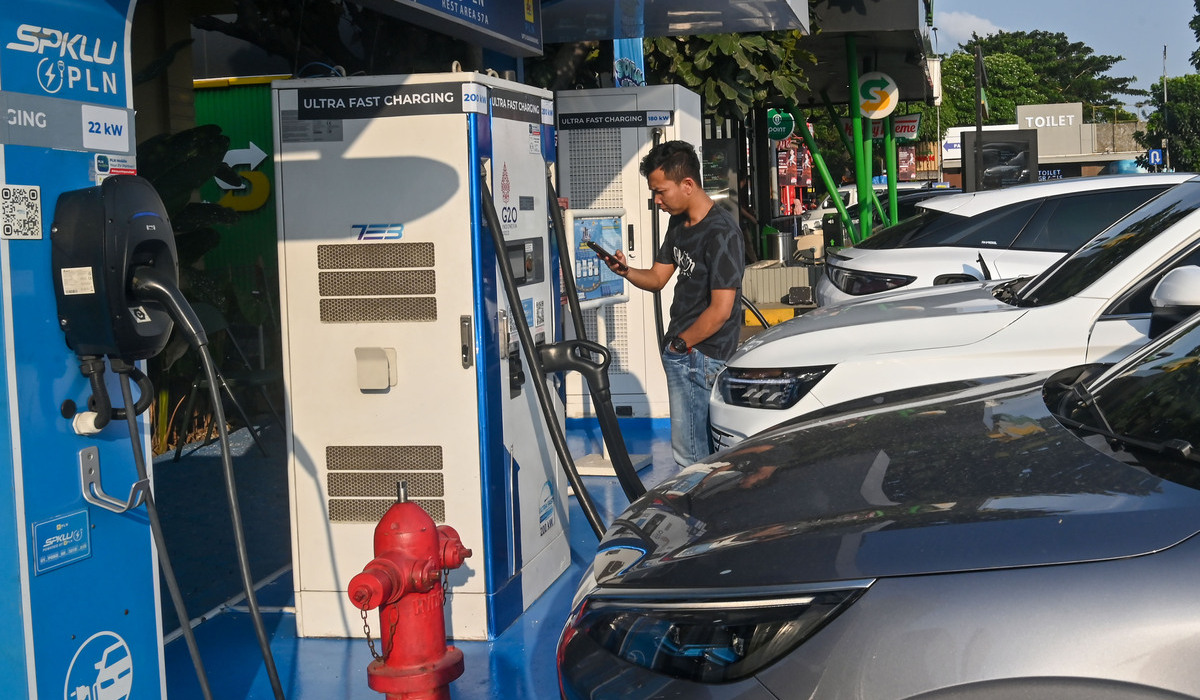
The trend for electric vehicles (EV) in Indonesia continues to increase in line with the government’s commitment to carbon neutrality. Although electric cars are known to have far fewer moving parts compared to internal combustion engine (ICE) vehicles, this does not mean they are maintenance-free. There are several crucial components that require extra attention to ensure a long vehicle lifespan and to prevent sharp depreciation in value.
Understanding the characteristics of these components is vital for EV owners, considering that the replacement cost of certain parts can reach 40 to 50 per cent of the vehicle’s price. Here are the primary components that require in-depth attention in electric cars:
The battery is the heart of an electric vehicle. This is the most expensive component and is highly sensitive to usage habits. To maintain the State of Health (SoH), owners are advised not to frequently let the battery power drop to 0 per cent or to continuously charge it to 100 per cent, unless the battery technology used is Lithium Iron Phosphate (LFP), which is more tolerant of full charges.
Frequent use of fast charging or DC chargers also has the potential to accelerate battery cell degradation due to the heat generated during high-power charging. Ideally, slow charging (AC Charging) should be used for daily use to maintain cell temperature stability.
Unlike conventional cars that only cool the engine, the cooling system in an EV works extra hard to maintain the temperature of the battery, inverter, and electric motor. The coolant in electric cars usually has specific non-conductive specifications to prevent short circuits in the event of a leak.
Owners must check the coolant volume regularly and ensure there are no blockages in the small radiators that cool the electrical system. Uncontrolled temperatures (overheating) are the primary enemy of electronic components and can drastically shorten battery life.
Many novice electric car owners are unaware that EVs require tyres with specific specifications. Electric cars are significantly heavier due to the large battery pack and possess strong instant torque. Standard tyres used on ordinary cars will wear out faster if fitted to an EV.
Ensure that tyre pressure always adheres to the manufacturer’s recommendations. Low pressure will increase rolling resistance, which not only damages the tyre structure but also makes battery energy consumption more inefficient.
Electric vehicles use a regenerative braking system that allows the electric motor to act as a generator during deceleration. This makes physical friction brakes tend to last longer because they are rarely worked hard. However, this can become a disadvantage if not monitored.
Because they are rarely used, physical brake components such as calipers and brake discs are prone to corrosion or seizing due to dirt accumulation. Regular cleaning of the braking system is still necessary even if the brake pads appear thick.
An inverter functions to convert direct current (DC) from the battery into alternating current (AC) to drive the motor, and vice versa during regenerative braking. This component is highly sensitive to voltage surges and humidity. Ensure the motor compartment remains clean and avoid washing the electric motor directly with high-pressure water on high-voltage cable sockets (which are usually orange).
Maintaining an electric car is actually simpler than maintaining a conventional car because there is no need for regular engine oil, spark plug, or air filter changes. However, precision in maintaining operational temperatures and battery charging patterns is the key. By paying attention to the components mentioned above, owners can ensure their electric vehicles remain efficient and maintain their resale value in the future.