
Visiting Museums in Egypt, Fadli Zon Highlights Cultural Economy Potential
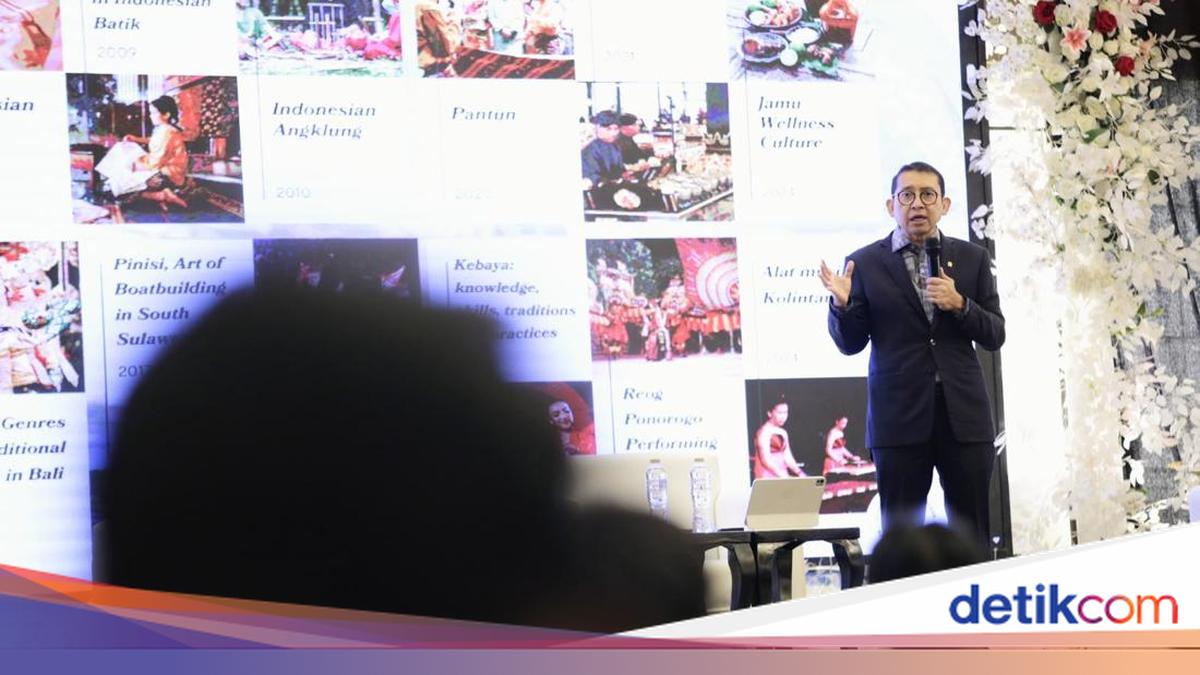
The Indonesian Minister of Culture, Fadli Zon, during a working visit to Egypt, had the opportunity to visit the National Museum of Egyptian Civilization (NMEC) in Cairo. Established in 2021, the NMEC is a museum that showcases the long journey of Egyptian civilisation, spanning from ancient Egypt and the Coptic era to the Islamic and modern eras.
Fadli Zon stated that museums can serve as spaces to display the long history of a civilisation while simultaneously acting as part of a cultural economic ecosystem. “Egypt has utilised these museums as a cultural showcase, a showcase of their civilisation, and even as a source of cultural economy,” Fadability Zon said in a written statement on Thursday (23/09/2026).
The museum was inaugurated alongside the ‘Pharaohs’ Golden Parade’, which involved the transfer of pharaonic mummies from the national museum to the new facility. Currently, the number of NMEC visitors is estimated to reach 10,000 people per day.
“These activities are also supported by various facilities and economic activities, including merchandise sales, coffee shops, and other services,” Fadli Zon noted.
He mentioned that a particular attraction of the NMEC is the collection of pharaonic mummies, comprising hundreds of kings and queens from various Egyptian dynasties. According to him, in addition to the mummy collections, the museum also showcases technologies that are considered new today but were actually known thousands of years ago, such as those seen in the tapestry and textile exhibitions.
These findings, according to the Minister, demonstrate the long journey of Egyptian civilisation alongside the development of knowledge and technology spanning millennia. Through these exhibitions, this journey is presented as part of the visitor experience in understanding Egyptian history.
The management of the museum at the NMEC demonstrates how historical journeys and civilisational heritage can be packaged into a cultural experience with economic value. The narrative of civilisation, covering Egypt’s journey from ancient to modern times, is a vital component in building attraction for museum visitors.
Through museums, history is not merely stored and conserved but presented to the public as a civilisational journey. In this context, Fadli Zon noted that the NMEC serves as an example of how a museum can function as both a cultural showcase and a component of the cultural economy.
Furthermore, Fadli Zon stated that the lessons learned from visiting museums in Egypt serve as an important benchmark for Indonesia to view museums as showcases of civilisation, rather than solely as places for storing and maintaining collections. He believes museums must be able to bring Indonesia’s civilisational narrative to life, from the richness of cultural heritage at the upstream level to being presented as an economically valuable cultural experience at the downstream level.
Accompanying him on the visit were the Director General of Diplomacy, Promotion, and Cultural Cooperation, Endah T.D. Retnoastuti; Special Staff to the Minister for Protocol and Household, Rachmanda Primayuda; Director of Cultural Promotion, Wawan Yogaswara; and the Head of the Media Relations Sub-directorate, Andhini Widyasari.
Within the framework of upstream culture and downstream cultural economy, the transformation, modernisation, and digitalisation of museums—driven by the Ministry of Culture—are aimed at strengthening the connection between preservation, utilisation, education, appreciation, and the creation of cultural economic value.
“Museums do not only preserve the heritage of the past, but serve as spaces that enliven culture, strengthen national identity and pride, and open opportunities for the growth of Indonesia’s cultural economy,” Fadli Zon concluded.
Source: jawawa.id (https://jawawa.id/newsitem/visiting-museums-in-egypt-fadli-zon-highlights-cultural-economy-potential-1790157921)
Originally published by detikcom (https://news.detik.com/berita/d-8675758/kunjungi-museum-di-mesir-fadli-zon-soroti-potensi-ekonomi-budaya), translated from Indonesian