
Visa-Free Visit Policy Believed to Spur Surge in Foreign Tourist Arrivals
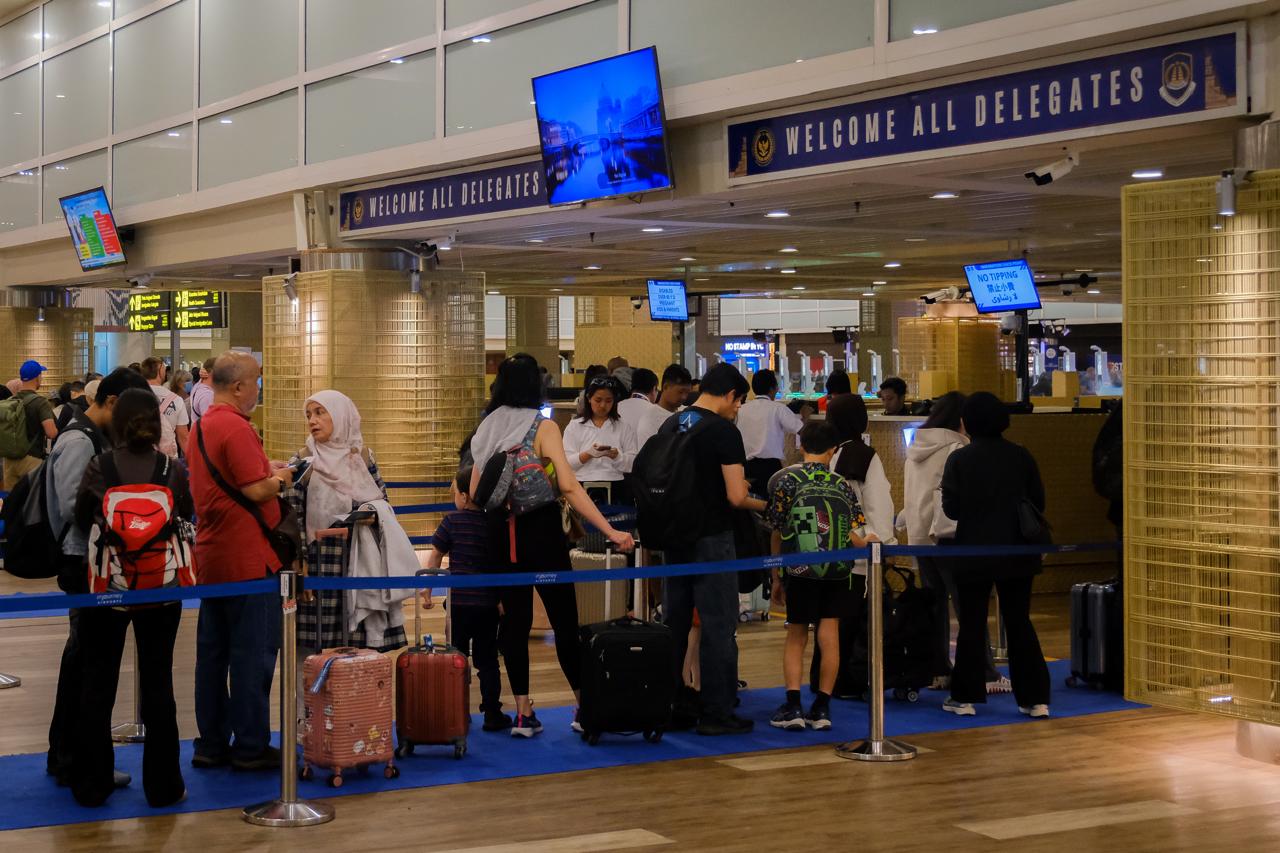
The Ministry of Tourism is supporting the proposed implementation of a Visa-Free Visit (BVK) policy to strengthen Indonesia’s tourism competitiveness. The BVK is believed to provide a competitive edge for Indonesia amid global competition to attract foreign tourists. Minister of Tourism Widiyanti Putri Wardhana stated that the BVK would enhance accessibility, ease of travel, and Indonesia’s appeal. “Ease of entry is one of the important factors influencing tourists’ decisions in choosing a destination, especially when competing countries in the region are also continuously strengthening their travel facilitation policies,” she said. The BVK proposal is currently being widely discussed by various parties, including the Directorate General of Immigration, which has outlined several considerations that need to be reviewed before adding countries eligible for the visa-free facility. Indonesia has prior experience in implementing a broad BVK policy. In 2016, Indonesia granted Visa-Free Visit facilities to 169 countries. A study by the World Travel & Tourism Council (WTTC) and Oxford Economics indicated that this policy was a successful case study, contributing to a 24% increase in foreign tourist demand and supporting the creation of approximately 400,000 jobs. Furthermore, Widiyanti explained that refining the calculations using 2018 foreign tourist arrival figures suggests the BVK’s impact on increasing foreign tourist demand is estimated to be even higher, reaching 32.4%. This figure demonstrates that travel facilitation policies have a strong correlation with tourist arrival growth. The WTTC study also showed that visa-free policies have a greater impact compared to other forms of visa facilitation. The median increase in tourist arrivals from visa-free policies was recorded at 16.6% per year, higher than the 8.1% per year for new visa types. “From a regional perspective, Indonesia’s visa policy also needs to be continuously strengthened to be more competitive. Based on a comparison with ASEAN countries, the number of countries receiving visa-free facilities to Indonesia is currently still relatively more limited than neighbouring countries such as Malaysia, Singapore, Thailand, and Vietnam.” Widiyanti believes the BVK’s impact will generate additional tourist visits, tourist spending, job creation, and strengthening of the community’s economy. “BVK is not merely a visa facility. BVK is an instrument of competitiveness, an instrument of growth, and an instrument of job creation. Tourists have the potential to come in greater numbers, stay longer, spend more money, and provide a broader economic impact for regions, business actors, MSMEs, and the tourism sector workforce,” she said. Nevertheless, the Ministry of Tourism understands that visa policy must be formulated carefully, considering aspects of prudence, security, reciprocity, and national interest. At the same time, findings from the Asia-Pacific Economic Cooperation (APEC) also show that simplifying or removing entry requirements can boost foreign tourist arrival flows. The APEC study noted that destinations could see an increase in visits of 7.2% to 27% through the removal of visa requirements or other entry provisions. Conversely, adding entry barriers through travel authorisation in a visa-free situation could decrease foreign tourist arrivals by up to 29.3%. “Therefore, the Ministry of Tourism hopes that cross-ministerial and institutional synergy can continue to be strengthened to find the best formulation regarding the BVK policy, while maintaining aspects of prudence and national interest, and simultaneously enhancing tourism competitiveness in the global market. It must be remembered that tourism is a sector that is very sensitive to accessibility.”