
Visa-Free Policy Slashed by 87 Percent, Immigration Explains Selective Approach for Foreigners Entering Indonesia
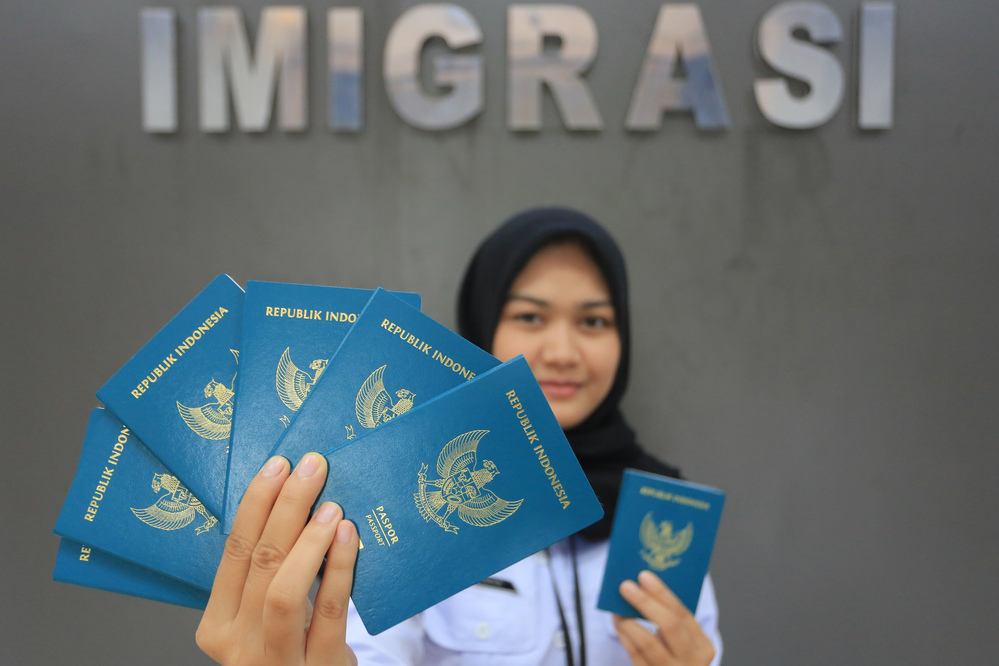
The Directorate General of Immigration at the Ministry of Immigration and Corrections has significantly reduced the issuance of Visa-Free Visits (BVK) by 87.91 percent in the first semester of 2026. The policy is implemented as a selective measure to ensure that foreign nationals entering Indonesia provide benefits and positive value to the country. Director General of Immigration Hendarsam Marantoko stated that immigration policy now emphasises the quality of incoming foreigners rather than merely increasing the number of visits. “We are promoting digital transformation and a selective policy to ensure every foreigner entering Indonesia adds value to the national economy without neglecting national security aspects,” said Hendarsam in a statement in Bandung on Sunday (12/7). Hendarsam explained that the tightening of BVK issuance led to a decrease from 438,423 documents in the first semester of 2025 to 52,999 documents in the same period of 2026. Despite the reduction, state revenue from the visa sector actually grew. Non-Tax State Revenue from visa services increased by 6.42 percent to approximately Rp2.81 trillion. According to Hendarsam, the direction of immigration policy is no longer pursuing high numbers of cross-border travellers but focusing on improving service quality, supervision, and risk management amid global changes. Throughout January to June 2026, the Directorate General of Immigration issued a total of 3,924,500 visas, a decrease of 6.77 percent compared to the first semester of 2025 which reached 4,209,465 visas. On the other hand, paid visit visas under index C1 increased by 2.76 percent with total issuances reaching 3,829,902 visas. The most issued visa type was the Visa on Arrival with 3,481,490 documents, followed by C1 index visit visas with 113,323 documents and C20 index visas for equipment installation needs with 83,852 documents. Meanwhile, the Golden Visa programme recorded 143 issuances during the first semester of 2026. By country of origin, the most foreign tourists entering Indonesia throughout the first semester of 2026 came from Australia with 848,802 people, followed by China with 668,432 people, India with 334,107 people, South Korea with 202,101 people, and the United States with 186,463 people. In addition to tightening the visa issuance process, the Directorate General of Immigration also increased supervision of foreigners in Indonesia. During the January-June 2026 period, Immigration recorded 10,911 immigration administrative actions, including 3,260 actions in the form of residence permit cancellations and deportations against foreigners who violated regulations or potentially disrupted security. Immigration also pursued criminal legal proceedings against 23 foreigners, with 17 still under investigation, four in trial, and one with a final court ruling. “Every administrative action, from blacklisting to deportation, is our step to filter the quality of incoming foreigners to minimise potential risks to national security and order,” Hendarsam said. During the first six months of 2026, Immigration prevented 2,102 foreigners on the blacklist from entering, 93.2 percent of which were related to immigration violations. Immigration officers at various airports and seaports also delayed the departure of 1,704 travellers deemed to pose a risk. Additionally, 401 Indonesian citizens and 36 foreigners were prevented from travelling abroad at the request of law enforcement officials. In immigration services for Indonesian citizens, the Directorate General of Immigration issued 1,673,816 Republic of Indonesia passports, while 9,017 passport applications were rejected for not meeting requirements. For foreign residents, Immigration issued 23,082 Limited Stay Permits, 3,330 Permanent Stay Permits, and processed 54 applications for Global Citizenship of Indonesia. National border crossing data for the first semester of 2026 showed 12,891,069 arrivals and 12,866,174 departures through various entry and exit points across Indonesia. Hendarsam emphasised that these achievements serve as a foundation for the Directorate General of Immigration to continue strengthening the quality of immigration services and supervision to face increasingly complex global challenges.