
Viral Paracetamol Plant Fertiliser Trend Debunked by IPB Expert
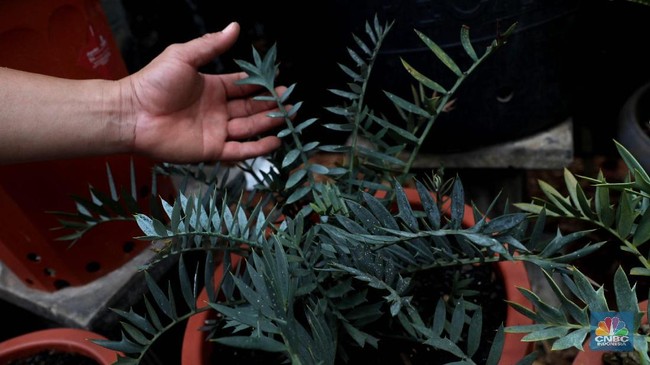
Jakarta, CNBC Indonesia – Social media was recently abuzz with a trend of using paracetamol as a plant fertiliser. An expert from IPB University has set out the facts.
Efi Toding Tondok, head of the Plant Clinic at IPB University’s Faculty of Agriculture, stated that there is no research or data proving that paracetamol can fertilise plants. She also does not recommend using human medicines on plants.
According to her, applying human medicines can have harmful long-term effects on plants, including killing certain organisms and causing pathogen resistance.
“Paracetamol is made specifically for human health, and there is no research or data whatsoever proving that the compounds in paracetamol are needed by plants or can fertilise them, particularly chilli plants,” Efi explained, quoted from the official IPB University website on Monday (13/7/2026).
Efi explained that some compounds found in human medicines, such as salicylic acid, are indeed needed to boost plant resilience. However, those formulated for humans are purer and more expensive, and when used on plants they can have more harmful effects.
“But if used on plants, especially over a wide area, it can cause effects we do not yet know about. For instance, it could kill certain organisms or cause resistance to drugs, potentially making those microorganisms – which may include human pathogens – drug-resistant,” she emphasised.
Efi recommended sticking to fertilisers intended for plants, as these have been formulated for plants and their safety for the environment, plants and consumers has been researched.
Members of the public can also use ordinary household ingredients as cheaper, safer and more accessible alternatives for plants. Efi gave the example of using rice washing water for small numbers of plants.
“For a few plants in the yard, potted plants for instance, you can fertilise them with everyday ingredients we usually throw away, such as rice washing water. That is very good for plant nutrition. So do not use human medicines on plants, because the risks – which we cannot yet see – are far greater,” she explained.