
Viral Craze for Perfume Among Young Children and Teens: What Age Is It Appropriate to Start Using Perfume?
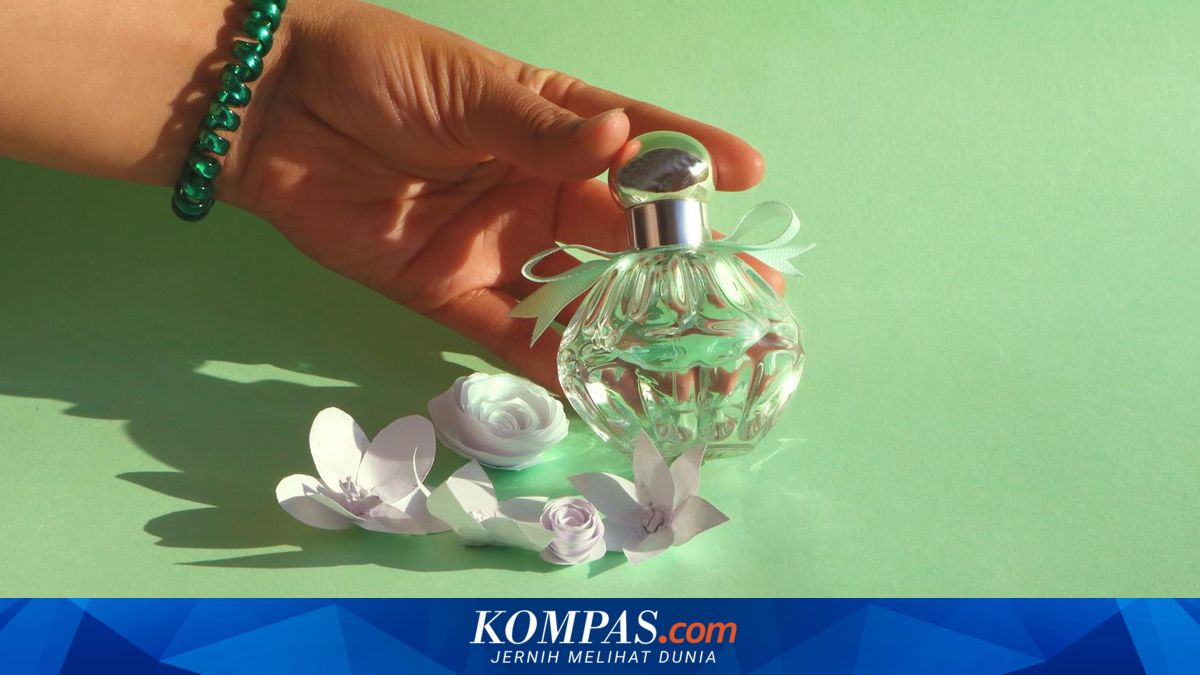
Recently, social media has shown long queues of children and teenagers lining up to buy perfume at a shopping centre in Jakarta. The phenomenon indicates that fragrance is no longer merely an accessory for adults; it has become part of many young people’s lifestyle. With the growing interest among children and teenagers in fragrances, what age is it appropriate to introduce perfume to a child? The Deputy Chairman of the Indonesian Paediatric Association (IDAI) in Banten, Dr Arifin Kurniawan Kashmir, SpA., M.Kes., CHt., FISQua emphasised that perfume is not recommended for babies or toddlers. He said that children’s skin at that age is very sensitive, making them prone to irritation. ‘If it’s for babies and toddlers, perfume is not recommended because their skin is sensitive, there is a risk of irritation, and aerosol use on young children can also pose risks of spraying into the eyes, mouth, or ingestion,’ he told Kompas.com on Wednesday (20 May 2026). Similarly, Dr Atika Kamilia, Sp.DVE, a Dermatology, Venereology, and Aesthetic specialist from Siloam Heart Hospital, said that medically, perfume use in children should be delayed, especially for babies under six months to one year old. According to Atika, a baby’s skin is still developing, so the protective barrier has not yet functioned optimally. As a result, fragrance ingredients can trigger irritation, redness, or allergies on a child’s sensitive skin. Therefore, using scented products on babies should not be treated as a primary need. Parents are advised to focus more on maintaining their child’s personal hygiene and clothing rather than masking body odour with perfume. Dr. Arifin explained that the safest approach to introducing perfume is when a child starts school. At this stage, the child is deemed capable of understanding the usage instructions. ‘The safest approach for school-age children is when they can understand the instructions, do not spray it on the face, mouth, or wounds, and do not overuse it,’ he said.