
Violence in the Name of Love Must Never Be Tolerated
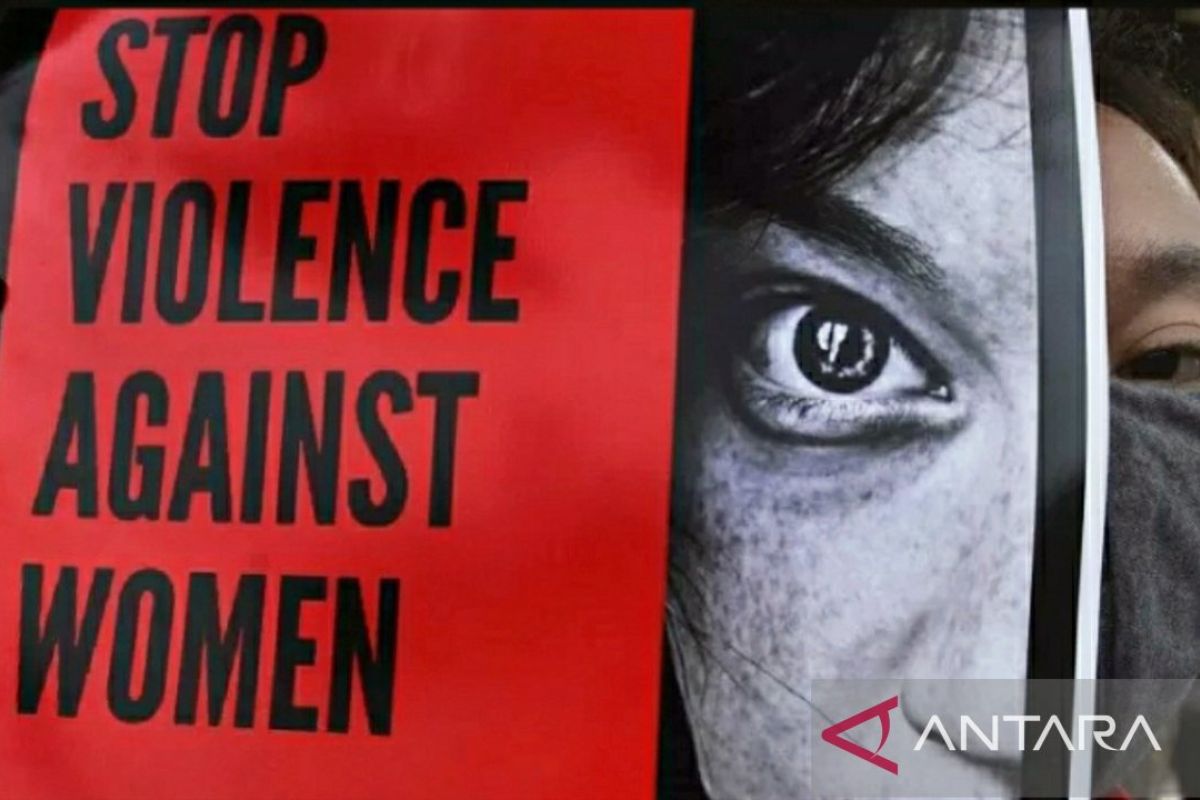
Violence against women always leaves wounds far deeper than what is visible on the surface. Physical scars may heal, but fear, shame, and the loss of self-confidence often persist much longer. Therefore, every case of violence should not be viewed merely as a private matter between the perpetrator and the victim, but as a reflection that there are still spaces around us that fail to provide a sense of safety for fellow human beings.
A case involving the alleged confinement and severe physical abuse of a woman, identified by the initials YTR, a resident of Rancaekek, Bandung Regency, has once again shaken the public conscience. The allegation that the torture lasted for three years demonstrates how violence can persist for a long time without being detected, or perhaps without receiving help quickly enough. This situation serves as a reminder that violence often grows in hidden, closed, and silent places, far from public attention.
According to circulating information, the victim suffered extremely severe violence. She was allegedly struck in the chest with bare hands and burnt with cigarettes when the perpetrator was angry, resulting in various serious injuries, ranging from visual impairment and cleft lip to difficulty speaking and an inability to walk. This depiction not only shows an extraordinary level of cruelty but also illustrates that prolonged violence can permanently strip away a person’s quality of life.
Many parties have issued strong condemnations against the alleged perpetrator. The actions of a man who abuses a woman to the point of severe injury are incomprehensible. If proven guilty through a legally binding judicial process, the perpetrator deserves a heavy sentence to serve as a deterrent and as a warning that there is no room for violence against women. This also carries a broader message than just the demand for punishment. While law enforcement is essential for justice, true justice also demands prevention efforts so that future victims do not continue to emerge.
Protection Systems
Every case of violence should serve as a momentum to evaluate how protection systems function and the extent of community care for their surroundings. The government has established various protection instruments, including the Ministry of Women’s Empowerment and Child Protection, alongside various protection mechanisms involving law enforcement, local governments, and victim assistance agencies. The existence of these institutions shows that the protection of women has become a state priority. The challenge now is to ensure that this protection is truly present when victims need it.
Another important lesson is that the protection of women is not solely the duty of law enforcement. The living environment plays an equally significant role. In this case, the alleged confinement and abuse occurred in a boarding house in Cinunck Village, Cileunyi District, Bandung Regency. Therefore, it is time to strengthen the call for boarding house owners to be more attentive to the condition of their tenants. While supervision must respect privacy, sensitivity to signs of violence can be the first step in saving a life.
The same applies to neighbours. A culture of mutual acquaintance and care is an increasingly important social capital amidst increasingly individualistic urban life. No one is expected to act as an investigator, but when screams are heard, signs of violence are visible, or suspicions of criminal activity arise, the courage to report to the authorities can be a lifesaver for victims unable to seek help themselves.
Attention should also be directed towards families. Parents have a responsibility to maintain communication with their children, including monitoring social circles and various social risks that can trigger deviant behaviour. Parents must continue to supervise their children to prevent them from falling into online gambling practices, which can trigger serious issues, including violence. Although violence cannot be simplified to a single factor, various addictive behaviours can indeed worsen emotional control, increase economic pressure, and trigger criminal acts if not addressed early.
Victim Recovery
Equally important is ensuring that victims receive comprehensive protection. The recovery of a violence victim does not end with the legal process against the perpetrator. Victims require adequate healthcare, psychological assistance to recover from trauma, legal aid to protect their rights, and social support to regain their lives with confidence. For the victim, justice is not just about the perpetrator being punished. Equally important is how the victim can return to health, feel safe, and obtain the opportunity to rebuild their life.
This case also serves as a reminder that love can never be used as a justification for violence. A healthy relationship is built on mutual respect, not excessive possessiveness. There is no reason that can justify torture, humiliation, confinement, or abuse against a partner. When a relationship turns into a space filled with fear, threats, and suffering, what is needed is no longer compromise, but protection. Thus, building an Indonesia that is safe for women is not just the responsibility of the government or specific institutions. It is a collective responsibility. The law must be enforced fairly, protection agencies must work more responsively, and the community must be more caring.
Source: jawawa.id (https://jawawa.id/newsitem/violence-in-the-name-of-love-must-never-be-tolerated-1782708777)
Originally published by Antara (Indonesian) (https://www.antaranews.com/berita/5626757/tak-pernah-ada-kekerasan-atas-nama-cinta), translated from Indonesian