
Village Cooperatives to be a Strategic Instrument for East Java's People-Based Economy
Amidst the dynamic global economy and fluctuating food commodity prices, East Java reaffirms its role as a key pillar of national stability. Strategic initiatives implemented in the region demonstrate the practical application of President Prabowo Subianto’s Asta Cita vision, particularly in achieving food independence and strengthening the local economy through village-based agricultural processing.
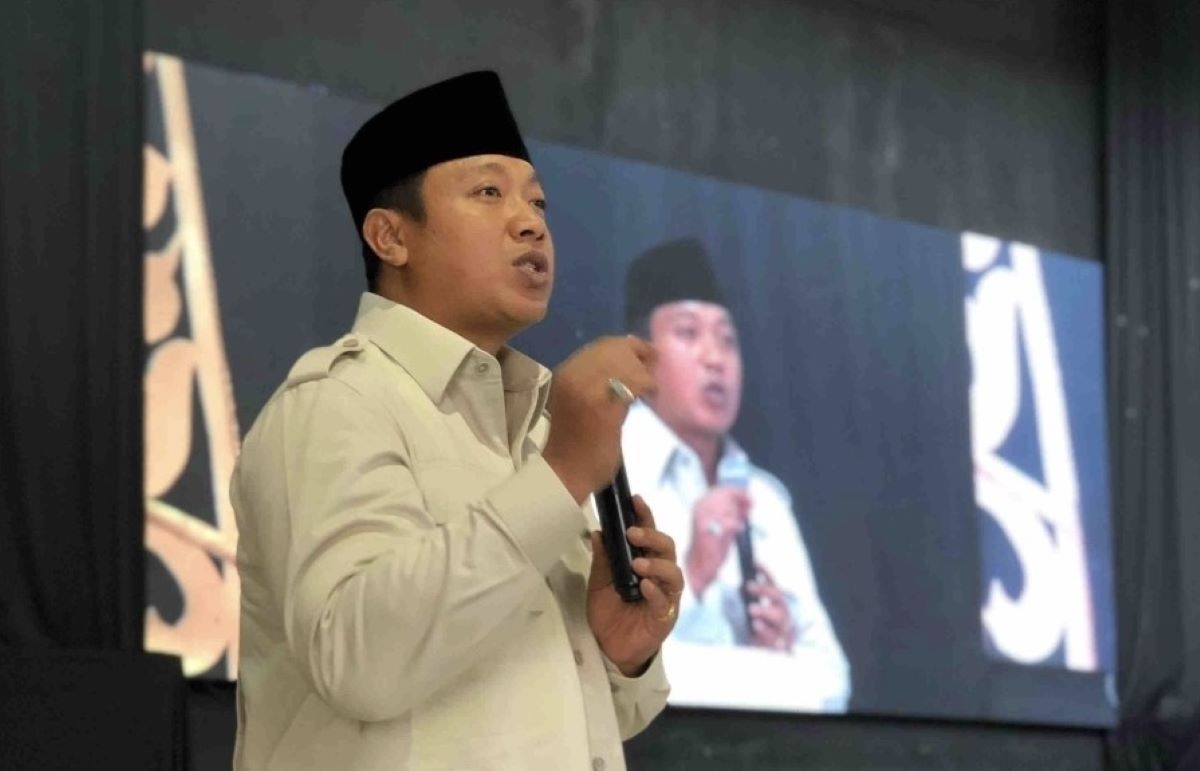
Vice Chairman of Commission B of the East Java Regional People’s Representative Council (DPRD), Chusni Mubarok, emphasized that the region has a significant responsibility to serve as a benchmark for the success of policies set by the central government. He believes that synergy between central and regional governments is crucial to advance the agricultural and marine sectors.
In terms of public policy, Chusni stressed that food sovereignty should not be measured solely by harvest yields or catches. The primary challenge is creating local economic value so that farmers and fishermen directly benefit from the prosperity generated. He stated that East Java should not merely be a conduit for raw materials but rather focus on downstream processing that benefits local communities, with village cooperatives and local SMEs managing the processing of agricultural products.
The presence and strengthening of Village Cooperatives are strategic steps aligned with the President’s policies. Through well-managed cooperatives, supply chains can be streamlined, benefiting small producers. Chusni sees this as a form of economic restructuring that is fair to society. As head of the commission overseeing economic affairs, he also prioritizes anticipating the risks of climate change.
Government support for agricultural infrastructure, such as irrigation and mechanization, should be fully embraced by regional administrations to maximize its benefits. Guarantees of fertilizer availability and modernization of agricultural tools are significant boosts to East Java’s economy. The legislative body must ensure that there are no obstacles in implementing these policies. The relatively low food inflation in East Java indicates the effectiveness of this cooperation.
Furthermore, Chusni believes that future economic development should be inclusive and equitable. Programs such as revitalizing fishing villages and utilizing digital technology in cooperative management are seen as smart ways to attract young people to contribute to productive sectors in rural areas. Village-centered development is considered the best way to ensure that economic growth does not only concentrate in urban areas but also spreads to remote regions.
If villages in East Java are economically strong, then the overall economic resilience will be much stronger and less vulnerable to external shocks. For Chusni, these efforts represent a moral imperative to ensure a new era of Indonesian economic revival. He is confident that with clear national leadership and targeted implementation at the regional level, the vision of a Golden Indonesia in 2045 can be achieved.
East Java is ready to be its driving force. When East Java is strong in food production and economy, then the foundation for Indonesia to stand firm and independent will be even stronger.