
Vietnam's Economy Surges 8.4%: Low Taxes and FDI Influx Offer Lessons for Indonesia
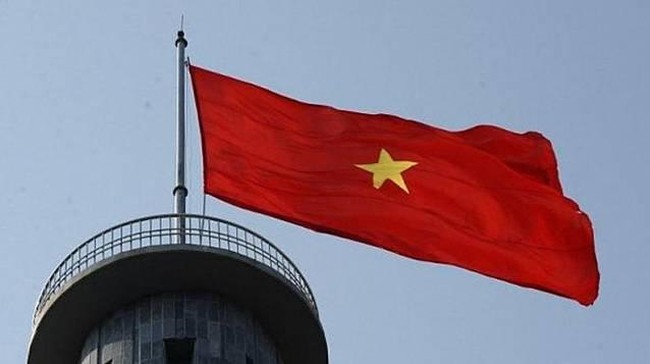
Vietnam recorded strong economic growth in the second quarter of 2026. Amidst a global economy still fraught with challenges, the neighbouring nation managed to maintain a high economic growth rate through vigorous production, investment, and consumption activities.
Quoting a socio-economic report from Vietnam’s National Statistics Office (NSO), Vietnam’s Gross Domestic Product (GDP) is estimated to have grown by 8.39% year-on-year during the April-June 2026 period. Throughout the first half of 2026, Vietnam’s economy grew by 8.18%, higher than the 7.63% recorded during the same period the previous year.
This growth was supported by key sectors, particularly industry, construction, and services. The industrial and construction sectors remain the largest engines of Vietnam’s economy. The value added in this sector rose by 9.86% in the first half of 2026 compared to the same period last year, contributing 40.35% to the overall increase in economic value added.
The services sector also grew strongly. Trade and transport moved positively alongside increasing consumer demand, the circulation of goods, and travel activities. The value added in the services sector rose by 8.09% year-on-year. Meanwhile, the agricultural sector remained stable amidst the expansion of export markets for agricultural products, with its value added increasing by 3.57% compared to the same period last year.
Manufacturing serves as a primary source of growth. Industrial production remained solid, supported by a recovery in export orders, public investment, and the influx of foreign capital into productive sectors. In recent years, Vietnam has strengthened its position as a production base in Southeast Asia, becoming a vital part of the global supply chain, particularly for electronics, textiles, footwear, components, consumer goods, and export-oriented industrial products.
Vietnam’s strong manufacturing performance is also evident in trade. In the first half of 2026, Vietnam’s total trade in goods reached US$549.7 billion, with both exports and imports increasing annually. The United States remains Vietnam’s largest export market, with exports reaching US$86.5 billion, while China remains the largest source of imports, valued at US$115.2 billion during the first six months of 2026.
While Vietnam recorded a trade deficit of US$16.65 billion in the first half of 2026, reversing from a surplus of US$7.95 billion in the same period last year, the rise in imports is linked to the need for raw materials, intermediate goods, and machinery to support production activities. On the other hand, the Vietnamese business landscape continues to expand. The NSO noted that approximately 169,800 new companies were established or resumed operations in the first half of this year, averaging 28,300 businesses per month.
Foreign Direct Investment (FDI) is a crucial factor behind Vietnam’s economic strength. The flow of foreign investment into Vietnam increased sharply in the first half of this year. Total FDI entering Vietnam in the first half of 2026 reached US$34.65 billion, a significant jump from US$21.52 billion in the first half of 2025. This increase stems from three sources: newly registered capital, capital adjustments, and capital contributions and share purchases.
The largest surge was seen in newly registered capital, which reached US$17.39 billion in the first half of 2026, much higher than the US$9.29 billion recorded in the first half of 2025. Capital adjustments also increased to US$11.04 billion, up from US$8.95 billion the previous year, while capital contributions and share purchases rose to US$6.22 billion from US$3.28 billion.
The scale of this FDI influx indicates that foreign investors still view Vietnam as an attractive production location, not only due to labour costs but also because of its industrial ecosystem, export orientation, licensing, incentives, and policy certainty. Vietnam is increasingly becoming a destination for global supply chain relocation, as many companies seek new production sites outside of China.
Vietnam’s high foreign investment and increased manufacturing activity are not accidental. The Vietnamese government has implemented various efforts specifically aimed at boosting these two sectors. One factor strengthening the country’s appeal is a more business-friendly and investor-friendly tax policy. In recent years, Vietnam has used tax instruments to encourage consumption, production, and investment, including the reduction of Value Added Tax (VAT).
The Vietnamese government has extended the 2% VAT reduction policy. For certain goods and services, the VAT rate, previously 10%, was lowered to 8%. This VAT reduction policy was first implemented in early 2022, following Vietnam’s issuance of fiscal and monetary policies to support economic recovery post-Covid-19. Through Decree No. 15/2022/ND-CP, Vietnam lowered the VAT for various goods and services from 10% to 8%. This policy has been extended several times, most recently when the National Assembly approved a resolution on 17 June 2025 to continue the 2 percentage point VAT reduction until the end of 2026, aiming to maintain public purchasing power and reduce business costs.
Source: jawawa.id (https://jawawa.id/newsitem/vietnams-economy-surges-8-4-low-taxes-and-fdi-influx-offer-lessons-for-indonesia-1783425181)
Originally published by CNBC Indonesia (https://www.cnbcindonesia.com/research/20260707160640-128-748860/ekonomi-vietnam-lari-tumbuh-84-pajak-murah-investor-berebut-masuk), translated from Indonesian