
Video: Requirements for Sustainable Projects to Qualify for Financing
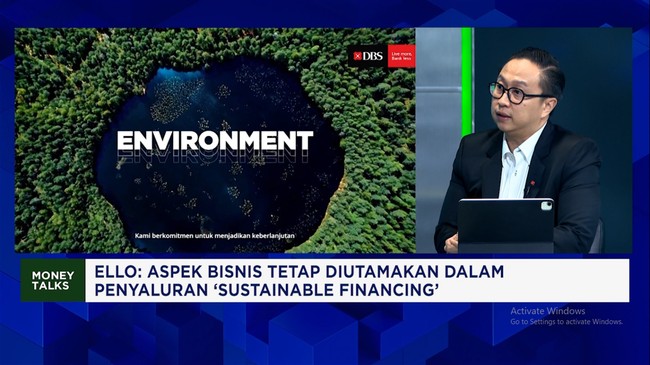
Jakarta — Bank DBS Indonesia has launched a study titled “The Sustainability Shift: Indonesia’s Industrial Landscape in Five Key Sectors, Opportunities and Risks”, examining how sustainability in Indonesia is shifting from a compliance agenda towards a strategy for economic resilience and business competitiveness. It focuses on five sectors: energy, renewable energy and infrastructure; technology, media and telecommunications; food and agribusiness; healthcare and pharmaceuticals; and metals and mining.
Ello Hanson, Executive Director, Head of Large Corporates and ESG Lead, IBG, at Bank DBS Indonesia, said the bank worked with Tenggara Strategic as its knowledge partner on the research. The study aimed to establish whether sustainability mindsets were changing across the five main business sectors.
The findings point to a shift among industry players in all five sectors: sustainability is moving from a compliance objective to a key consideration for the future of business.
In financing sustainable businesses, banks continue to consider two important factors: whether the project is genuinely sustainable in terms of cash flow, and whether it meets a range of sustainability criteria. Bank DBS Indonesia said a project’s track record of success is among the factors banks use to assess whether its business can remain sustainable, and that a lack of such evidence may prevent a sustainable project from obtaining bank financing.
What are the prospects and challenges for bank financing of sustainable projects? Shania Alatas discussed the issue with Ello Hanson on CNBC Indonesia’s Power Lunch on Monday, 12 October 2026.