
Video: Production Quotas Slashed by Up to 80%, Miners Question Why
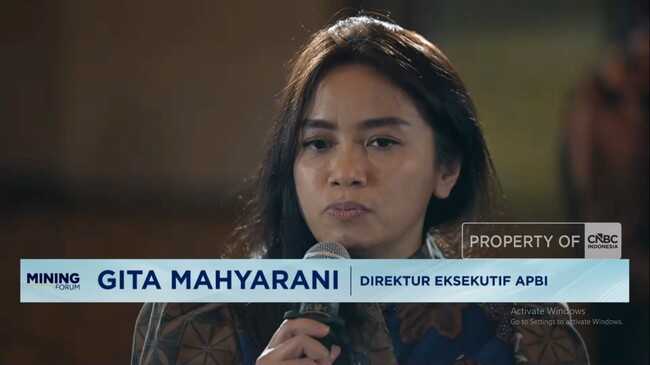
Jakarta, CNBC Indonesia- CNBC Indonesia hosted Mining Forum 2026 under the theme ‘What is the State of Indonesia’s Mining Industry?’ which featured strategic dialogue bringing together regulators, policy makers, industry leaders, and related stakeholders. Deputy Chairman for Legal and Tax affairs of the Indonesia Mining Association (IMA), Ezra Sibarani, during Mining Forum 2026, disclosed several developments in the domestic mining industry. One issue drawing attention from miners is the trimming of production targets for mineral and coal commodities in the 2026 Work Plan and Budget (RKAB). RKAB 2026 sets coal production at a target of 600 million tonnes, down from the 2025 target of 790 million tonnes, while nickel production is targeted at 260-270 million tonnes, well below the 2025 RKAB of 379 million tonnes. The reduction in coal production has come as a shock to miners, as the drop is substantial with the criteria for setting the levels not disclosed. On the other hand, miners have already prepared investments to maximise production and in relation to commitments to customers, so RKAB 2026 will disrupt targets and cause losses. Meanwhile, the Chairman of the Indonesia Mining Institute, Irwandy Arif, said the mining industry faces a number of headwinds, including the RI-US trade agreement and EU relations on critical minerals, Nickel Passport Obligations, and cycles of price declines. In addition, sudden RKAB quota policies and the impact of the US-Iran conflict. Irwandy Arif said the mining and mineral sector faces short- to medium-term pressures, so policies are needed to promote structural strengthening and transparency; otherwise the mining sector risks entering a transition towards a crisis. In line with IMA, the Executive Director of the Indonesian Coal Mining Association (APBI), Gita Mahyarani, also said the lack of clarity around RKAB 2026 policy has already lasted a month, with miners not receiving certainty regarding production quotas and APBI member quota reductions of 40-80% occurring without explanation or reasons for the cut. Meanwhile, the Chair of the Indonesian Mining Professionals Association (Perhapi), Sudirman Widhy, said the trimming of production quotas under RKAB 2026 is highly disruptive to long-term mine planning. This is important because it affects production and the financial viability of mining operations, which could lead to layoffs among mine workers. The uncertainty over production is also said by ASPINDO’s Vice Chairman, Ahmad Kharis, to affect the mining services sector because 85% of jobs at coal mines are carried out by ASPINDO. If coal production in 2026 falls by 25%, then 25% of mining equipment and human resources will be unable to operate. Moreover, the production quota uncertainty will affect banking and multifinance financing, thereby disrupting finances. Regarding RKAB 2026, the Secretary of the Mineral and Coal Directorate General at the Ministry of Energy and Mineral Resources, Siti Sumilah Rita Susilawati, on behalf of the Director General of Mineral and Coal at the ESDM Ministry, Tri Winarno, said that RKAB 2026 is not a production cap but a restructuring/adjustment of production. This policy relates to three things: addressing the imbalance between supply and demand that is pressuring prices, particularly nickel, maintaining price stability, and preserving Indonesia’s mineral reserves. Meanwhile, Herry Permana, Assistant Deputy for Mineral and Coal Development at the Coordinating Ministry for the Economy, representing Deputy for Coordination of Energy and Mineral Resources Elen Setiadi, said RKAB 2026 policy relates to energy security and Indonesia’s downstreaming. On the other hand, the Chair of Commission XII of the Indonesian House of Representatives, Bambang Patijaya, said RKAB 2026 is a new policy that has provoked both support and opposition. The production quota adjustments are not restrictions on coal and nickel production, but aimed at preserving Indonesia’s mining sector’s sustainability and thus should be supported. The RKAB 2026 controversy at the start of 2026, described by the Chair of the Primary Energy Value Chain Committee of the Indonesian Private Power Producers Association (APLSI), Ferry Dwi Nugraha, had disrupted coal supply to power plants and reduced supply as miners delayed coal deliveries due to production quota uncertainty. For full details, watch Shafinaz Nachiar’s dialogue with the Deputy Chairman for Legal and Tax affairs of the Indonesia Mining Association (IMA), Ezra Sibarani, and the Chairman of the Indonesia Mining Institute, Irwandy Arif, with the Executive Director of the Indonesian Coal Mining Association (APBI), Gita Mahyarani, and the Chair of the Indonesian Mining Professionals Association (Perhapi), Sudirman Widhy, with the Vice Chairman of ASPINDO, Ahmad Kharis, and the Secretary of the Mineral and Coal Directorate General of the Ministry of Energy and Mineral Resources, Siti Sumilah Rita Susilawati, with the Assistant Deputy for Mineral and Coal Development of the Coordinating Ministry for the Economy, Herry Permana, and the Chair of Commission XII of the DPR, Bambang Patijaya, and the Vice Chairman of the Primary Energy Value Chain Committee of the Indonesian Private Power Producers Association (APLSI), Ferry Dwi Nugraha, in Mining Forum 2026, CNBC Indonesia (Friday, 06/03/2026).