
Video: Political Factors Hinder Indonesian Fish Products' Entry into the EU
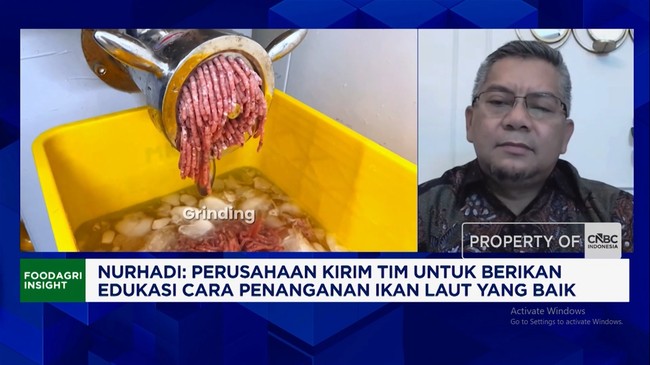
Jakarta, CNBC Indonesia – The government, through the Ministry of Marine Affairs and Fisheries (KKP), is pushing for compliance with the Seafood Quality and Safety Assurance System (SJMKHP) standards as a food safety requirement for fishery products entering international markets. To meet food safety requirements, fishery product manufacturers, according to NNS Managing Director Nurhadi Samad, must monitor the supply chain from upstream to downstream. This involves maintaining fish temperatures at a minimum of zero degrees Celsius to preserve quality, necessitating fishing fleets to have cooling technology. PT Nirvana Niaga Sejahtera, a seafood and frozen food processing company focused on export markets, views maintaining the quality of fishermen’s catch as challenging in Indonesia due to inadequate infrastructure and transport routes. Additionally, there is a need for educating fishermen on preserving catch quality. NNS, which supplies tuna and octopus to the US and Japan, ensures compliance with international certifications and premium quality. However, one challenge in fishery exports is entering the EU market due to a ‘one-door’ policy requiring seafood to pass through Vietnam before entering Europe.