
Video: Palm Farmers Claim "Replanting" Has Failed, Disrupting Indonesia's CPO Production
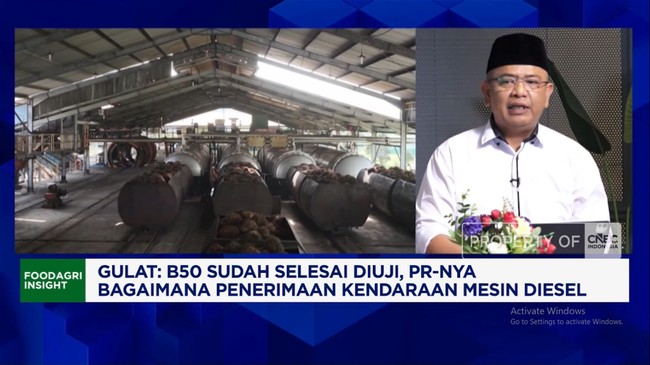
The energy sector is one of the areas significantly impacted by the Middle East conflict involving Iran against the United States and Israel. Tensions in the Middle East, which have led to the closure of the Strait of Hormuz—a crucial route for logistics distribution—have driven up global crude oil and gas prices. This naturally threatens the global energy supply, including Indonesia’s, which still relies on imports of crude oil, fuel, and LPG. Amid this rise in crude oil prices, Indonesia’s palm oil sector, as the main supplier of Crude Palm Oil (CPO), is said by the Chairman of the Indonesian Palm Oil Farmers Association (Apkasindo), Gulat Manurung, to have an opportunity to utilise palm vegetable oil as an alternative energy source through biodiesel. Therefore, Apkasindo supports the efforts of the Prabowo administration to develop biodiesel through the implementation of B50, previously B40. Apkasindo assures the readiness of palm farmers to help meet the needs of 18-19 million tonnes of CPO for B50. Nevertheless, the palm oil sector requires government support to boost palm oil production in the upstream sector so that CPO needs for B50, as well as for exports and food, can be fulfilled. This needs to be done considering that the replanting programme through the People’s Palm Rejuvenation Programme (PSR) has “failed completely” due to regulatory obstacles.