
Video: Indonesia Still Imports Energy – How Rising Oil Prices Affect Industry and the State Budget
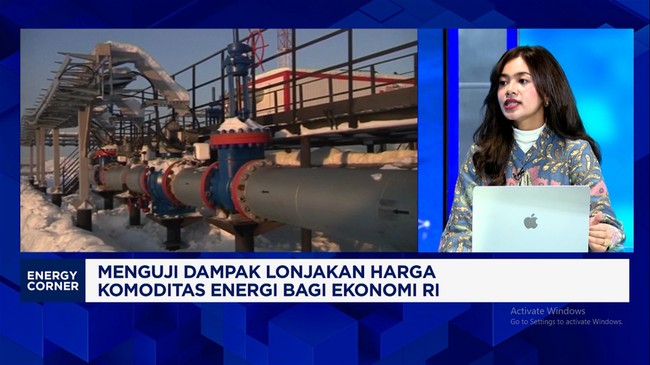
Jakarta, CNBC Indonesia — Global uncertainty caused by geopolitical tensions in the Middle East has driven up global energy commodity prices in 2026. Crude oil prices have surged to US$100 a barrel, rising by around 60–70% from the start of 2026 to mid-October. Coal prices have reached US$150 a tonne, up 39%, while crude palm oil (CPO) prices have risen by 14.5%.
CNBC Indonesia Research sustainability analyst Salma Laiqa said energy commodity prices had risen because of supply-chain disruptions through the Strait of Hormuz linked to geopolitical risks, with European gas prices seeing a sharp increase.
As an importer of energy, including crude oil and LPG, Indonesia is vulnerable to supply-chain disruption and higher energy prices. These could affect manufacturing, transport and logistics: rising energy prices would increase production costs, potentially pushing up consumer prices and fuelling inflation.
Higher energy prices could also add to the state budget’s burden through energy subsidies. What impact will the surge in energy commodity prices have on Indonesia’s economy, and what steps is the government taking to address higher prices and disruptions to global energy logistics?
The issue was discussed by Andi Shalini and Salma Laiqa on Squawk Box, CNBC Indonesia, on Wednesday, 14 October 2026.
Source: jawawa.id (https://jawawa.id/newsitem/video-indonesia-still-imports-energy-how-rising-oil-prices-affect-industry-and-the-state-budget-1792223422)
Originally published by CNBC Indonesia (https://www.cnbcindonesia.com/news/20261014101253-8-775990/video-ri-masih-impor-ini-efek-lonjakan-harga-minyak-ke-industri-apbn), translated from Indonesian