
Video: Energy Subsidy Reform — Its Impact on the State Budget, Purchasing Power, and Competitiveness
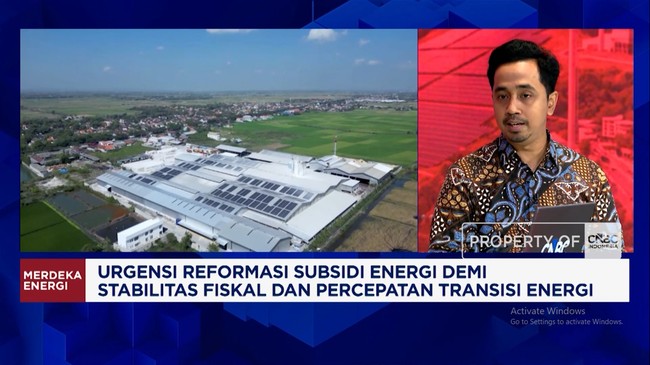
The Indonesian government must bear a surge in energy subsidies and compensation reaching Rp 526 trillion by the end of 2026, due to the country’s dependence on imported crude oil and fuel amid rising prices, a weakening exchange rate and soaring domestic energy consumption.
In an effort to reduce the burden of electricity, fuel and LPG subsidies and compensation on the state budget, the government is being urged to immediately carry out energy reform, both in terms of beneficiary data and shifting the focus of subsidies from commodities to beneficiaries.
Principal of the Energy Shift Institute, Ahmad Zuhdi Dwi Kusuma, views the momentum of energy subsidy reform as a factor that could accelerate the energy transition, particularly in the electricity sector, which is expected to reduce national energy imports.
Looking at ASEAN countries that treat energy as a single entity, energy reform efforts can be carried out in parallel. In the early stages, electricity sector reform could be undertaken by reducing fossil electricity subsidies through the domestic market obligation for coal, so that clean electricity prices can compete with fossil electricity without directly impacting the public.
Meanwhile, INDEF Director of International Collaboration, Imaduddin Abdullah, said that energy subsidy reform is important because the funds could be used for sectors that have a greater impact on economic growth, such as infrastructure.
In addition, technological developments have made non-fossil energy sources much cheaper and more competitive, creating potential to attract global investment such as solar power plants.