
Video: BKN Can Provide Incentives and Promotions for Civil Servants Not Working from Home
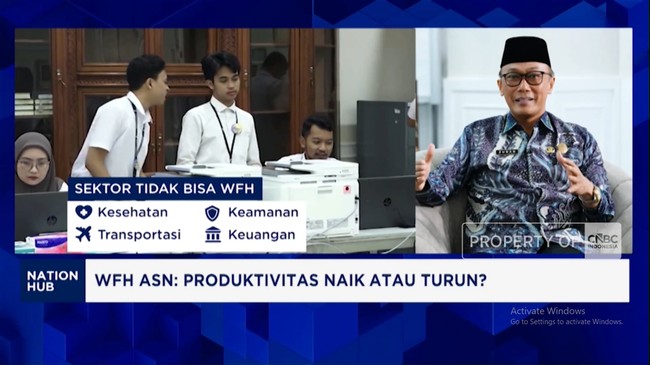
The Indonesian government, responding to the impact of the Middle East conflict that has driven up global oil prices, has established the Work Culture Transformation and Energy Efficiency Policy, effective from 1 April 2026. One of its measures is a work-from-home (WFH) policy for one day a week, specifically on Fridays, for Civil Servants (ASN). The National Civil Service Agency (BKN), in efforts to ensure the implementation of the Work Culture Transformation and Energy Efficiency Policy in accordance with regulations, is applying oversight through the adoption of a GPS-based and selfie attendance system. Head of the National Civil Service Agency (BKN), Zudan Arif Fakrulloh, stated that the one-day WFH policy for ASN has previously been implemented during the COVID-19 pandemic, and improvements are expected to enhance the effectiveness of both implementation and oversight. BKN, in addressing the challenges of implementing WFH, has three steps: changing the independent working mindset that allows working from anywhere with a focus on results, and strengthening supporting infrastructure. BKN has prepared the ‘ASN Digital’ service, which currently has 6 million ASN out of a total of 6.7 million who have filled in their monthly performance, and is ready to be strengthened to daily performance. Additionally, BKN has implemented a Work From Anywhere (WFA) policy in the last year, which has impacted an increase in ASN performance. Nevertheless, this WFH Policy does not apply comprehensively and excludes ASN in the public services, health, transportation, and security sectors.