
Victim of illegal online loan 'wrong transfer' scam? Here are tips to handle it
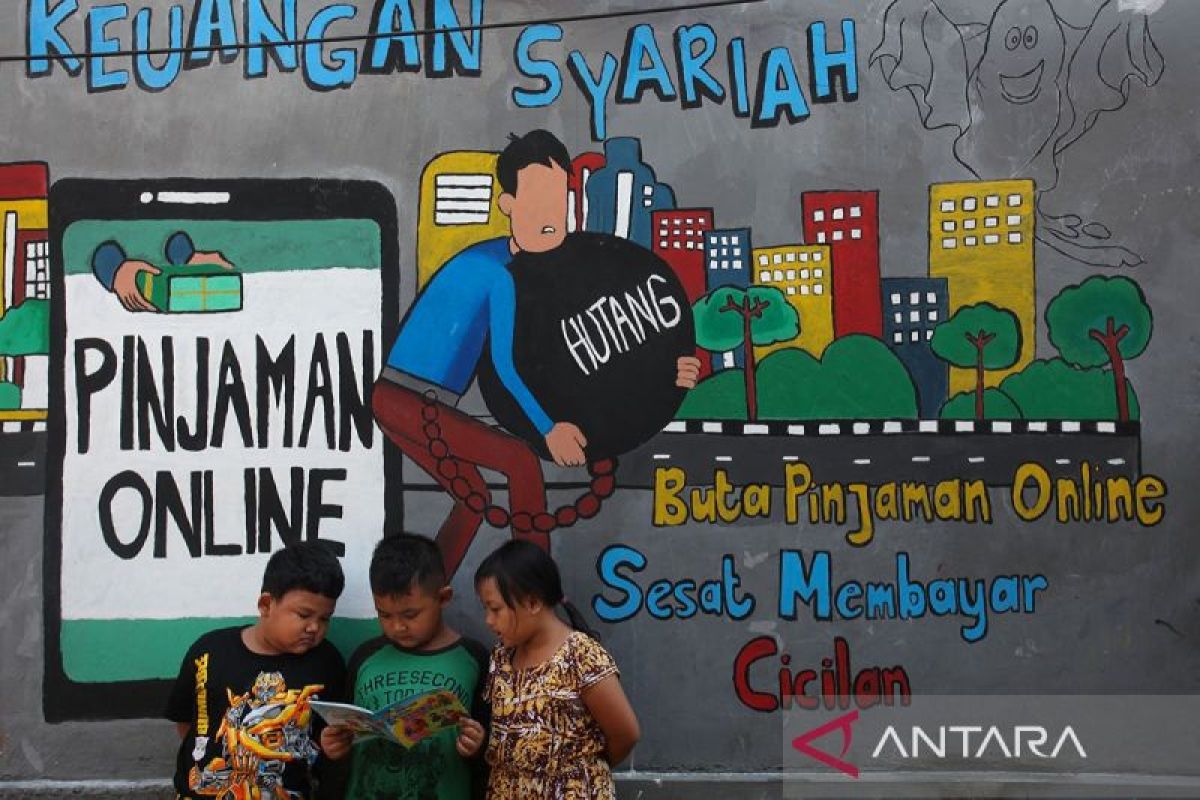
Receiving money unexpectedly into your bank account, despite never having applied for a loan, should be treated with caution. This tactic is used by illegal online lending operators who send funds without the victim’s consent, subsequently demanding much larger repayments accompanied by threats or aggressive debt collection.
The ‘wrong transfer’ modus operandi by illegal online lenders is not a new phenomenon. The Financial Services Authority (OJK) has previously warned the public about this fraudulent pattern. Victims typically receive funds they never requested, after which perpetrators contact them to demand payment as if the victim holds an active loan.
Latest data shows that illegal online lending remains one of the most frequently reported forms of illegal financial activity. As of 31 July 2026, the Task Force for the Eradication of Illegal Financial Activities (Satgas PASTI) has received 22,529 complaints related to illegal online loans. During the same period, Satgas PASTI also recorded the shutdown of 951 illegal online lending entities from the beginning of 2026 until 30 July.
So, what should be done if you suddenly receive a transfer from an illegal online lender?
Do not use the incoming funds
The first step is to refrain from using the funds. Do not withdraw, transfer, or spend the money if you do not know its origin and have never applied for a loan.
The funds should be left in the account until the bank provides guidance on the handling process. OJK also warns victims not to immediately send the money back to the party claiming to be the sender.
Do not transfer back to the sender’s account
If the perpetrator contacts you via telephone, WhatsApp, SMS, or social media requesting the money be returned, do not follow their instructions immediately.
OJK specifically advises victims of the illegal online loan ‘wrong transfer’ scam not to perform a direct transfer back to the account provided by the perpetrator. Fund returns should be conducted through official procedures managed by the bank.
This is crucial because perpetrators may request repayment to an account different from the original source of the funds. Therefore, the public should not make independent decisions before receiving guidance from their bank.
Contact your bank immediately
Report any unknown transfers immediately to the bank where your account is registered. State that the funds were never requested and that no loan application was made.
OJK suggests that victims apply for a freeze or block on the specific incoming funds, rather than blocking their entire personal account.
The bank can then provide guidance regarding the handling process and the return of funds in accordance with applicable procedures.
Save all evidence
Do not delete conversations or information related to the transfer. Save transaction proofs, screenshots of messages, telephone numbers, the sender’s account number, the name of the application or website used by the perpetrator, and communication recordings if available.
This evidence can be used when making reports to the authorities and helps the investigation process regarding the accounts and contacts used by the perpetrator. OJK also requests that members of the public experiencing this modus operandi collect evidence before reporting.
Report if you receive harassment
Perpetrators may contact victims repeatedly, claiming to be debt collectors. If the victim never applied for a loan, this information should be conveyed to the perpetrator, and communications containing threats should not be engaged with.
If necessary, the number used for harassment can be blocked. Evidence of threats or collection attempts must still be preserved as it can serve as material for a report.
In addition to reporting to the bank, the public can submit information regarding illegal financial activities to OJK through its official complaint channels. OJK also provides the Indonesia Anti-Scam Centre (IASC) to accelerate the handling of financial transaction fraud.
As of 31 August 2026, the IASC has received 668,441 reports since it began operating on 22 November 2024. A total of 659,419 accounts have been blocked, and the funds of victims successfully blocked reached Rp771.2 billion. Of that amount, Rp206 billion has been returned to victims.
Do not provide personal data
The public must also be careful if perpetrators request photos of ID cards (KTP), account numbers, PINs, OTP codes, passwords, or other personal information under the pretext of cancelling the loan.
This information must not be provided to unverified parties. If you have previously downloaded suspicious loan applications, re-check the application permissions and the security of the accounts used.
The illegal online loan ‘wrong transfer’ scam can essentially be managed by not using the funds, not performing direct transfers back, contacting the bank immediately, and saving all evidence. If elements of fraud or threats are found, reports can be forwarded to the authorities through official channels.
Thus, the public does not need to panic when receiving money that was never applied for as a loan. The most important thing is not to follow the perpetrator’s instructions and to allow the handling process to be conducted through official channels.
Source: jawawa.id (https://jawawa.id/newsitem/victim-of-illegal-online-loan-wrong-transfer-scam-here-are-tips-to-handle-it-1790849255)
Originally published by Antara (Indonesian) (https://www.antaranews.com/berita/5766629/kena-modus-salah-transfer-pinjol-ilegal-ini-tips-mengatasinya), translated from Indonesian