
Venting to AI May Do More Harm Than Good, Psychologist Explains
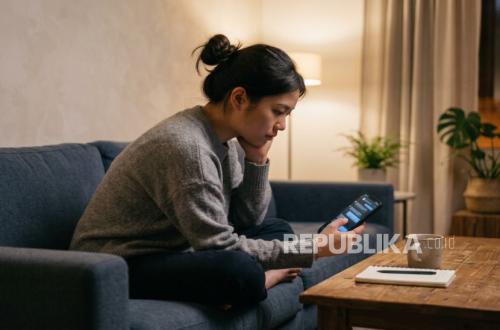
JAKARTA — The development of artificial intelligence (AI) has created new ways for people to interact with technology. AI is now used not only to find information and assist with work; some members of Generation Z and millennials are also turning to it to discuss and share personal problems.
Muhammad Arif Rizai, a clinical psychology expert at Universitas Muhammadiyah Yogyakarta (UMY), says using AI to confide personal problems carries significant risks. Although it can respond quickly when someone needs an outlet for their feelings, AI has limitations when dealing with complex psychological issues.
“There is a basic need that can be met instantly. But when people confide in AI about fairly deep and complex matters, including the provision of a therapeutic process, that is something I believe AI cannot replace,” Arif said in a written statement, quoted on Sunday (11 October 2026).
Arif warned that using AI as a confidant could make someone too comfortable with digital interaction and reduce opportunities to build face-to-face social relationships. Confiding in AI also poses risks to users’ privacy and personal data security.
AI is also limited in its ability to understand a person’s values, beliefs and life experiences as a whole. Unlike a professional, a psychologist’s consultation also involves understanding the individual through the practitioner’s experience and expertise.
“AI’s responses, which always agree with the user, can reinforce a person’s negative assumptions about themselves or their mental health,” he said.
Why, then, do young people like confiding in AI? Arif said some believe AI’s responses resemble the answers they might receive from a psychologist or counsellor. However, interacting with AI remains different from interacting with another person.
They may receive guidance or steps for dealing with a particular problem, but they do not experience direct human interaction.
“Some have said they were helped, but the same theme comes up in what I have seen: they do not get a human touch from it,” he said.