
Vehicle Dealers Still Request Photocopies of e-KTP and Family Cards for Credit Applications, Card Readers Absent
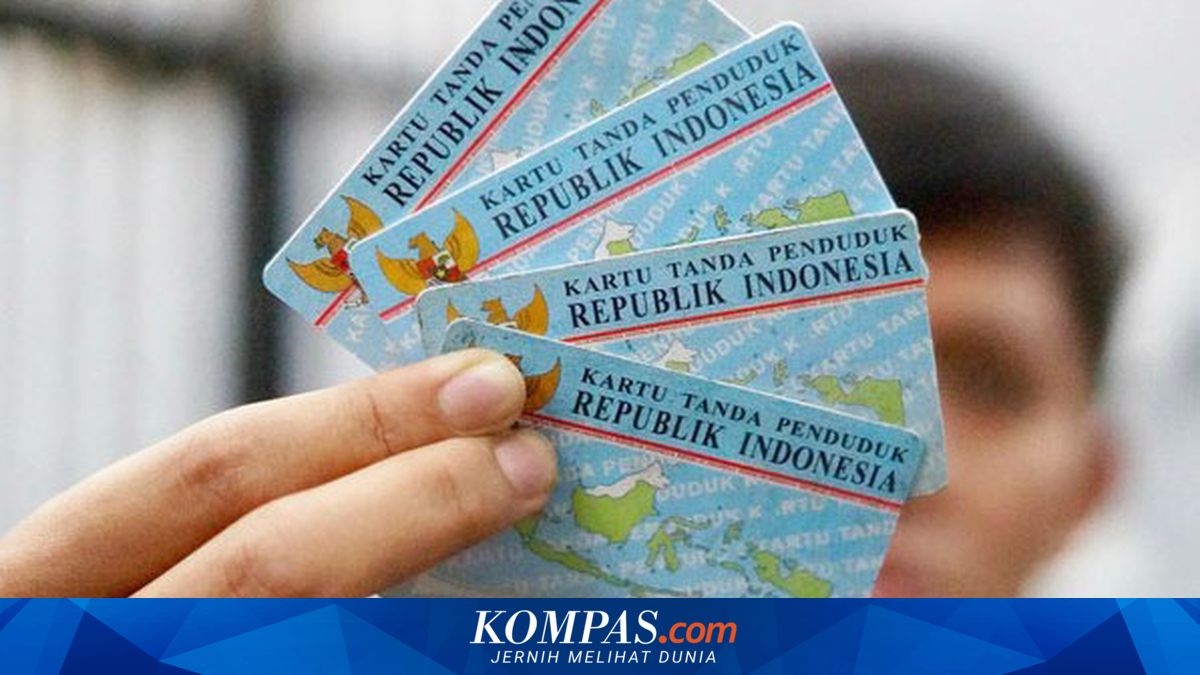
JAKARTA, KOMPAS.com - Amid government initiatives to encourage public services and the private sector to transition to verification based on the Population Identification Number (NIK) without physical documents, the practice of requesting photocopies of e-KTP and Family Cards (KK) persists in the process of purchasing motor vehicles, particularly for credit applications.
At several vehicle dealerships in Jakarta visited by Kompas.com, photocopies of e-KTP and KK remain a common requirement requested from consumers.
In addition to internal administrative needs, these documents are said to be mandatory requirements imposed by financing or leasing companies.
This practice requires citizens to submit copies of their personal identity documents containing sensitive data, from NIK and full addresses to family member compositions.
At one vehicle dealership in the Senen area, Central Jakarta, administrative staff Setya stated that photocopies of e-KTP are still the most frequently requested document when consumers apply for credit vehicle purchases.
According to Setya, in addition to e-KTP, other documents such as KK and NPWP are also often requested as part of the financing application requirements.
“For credit purchases, photocopies of KTP and KK are usually still required, sometimes NPWP too, depending on the leasing company’s needs,” said Setya when met by Kompas.com on Tuesday (12/5/2026).
Although dealership administrative systems have largely shifted to online formats, physical documents are still considered mandatory attachments that must be included.
“Now many systems are online, but the leasing side usually still asks for document attachments,” he said.
Setya explained that some consumers already understand these requirements and arrive at the dealership with complete documents.
However, not a few end up seeking photocopying services near the dealership because they only learn of the requirements during the credit application process.
Amid the increasing use of e-KTP equipped with chips, Setya admitted that the dealership where he works does not yet have a card reader for electronically reading e-KTP data.
As a result, consumer identity verification is still carried out conventionally, by matching the printed data on the e-KTP with the supporting documents submitted.
“We don’t have an e-KTP reader device yet. So we just check it manually, matching the data,” he said.
Setya assessed that the presence of a card reader could indeed assist the verification process and reduce reliance on document photocopies.
Meanwhile, processed consumer files are not immediately discarded.
Identity documents are still stored in the dealership’s administrative archives, and some are submitted to the leasing company as part of the financing procedure.
“Once the files are processed, they usually go into the archive, because they might be needed again sometime,” said Setya.