
Vatican in Turmoil as Breakaway Catholic Group Defies Pope Leo XIV
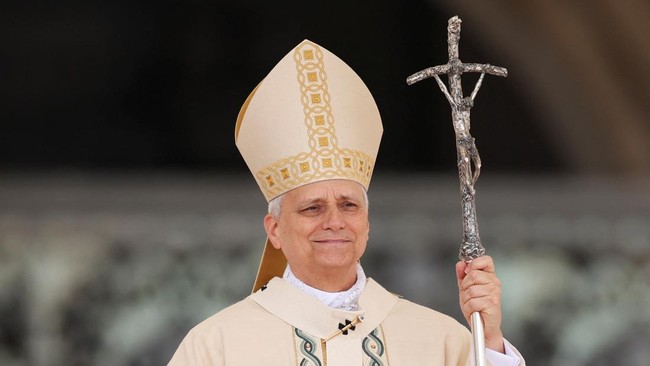
The Vatican is in turmoil following a rebellion by a Catholic group against Pope Leo XIV, triggered by the emergence of four new bishops who have broken away and adhere to the ancient Latin Mass. They were consecrated in southwestern Switzerland on Wednesday, attended by thousands of people, ignoring a personal appeal delivered by letter from Pope Leo XIV. Thousands were present to witness the consecration of the bishops from the Society of Saint Pius X in the small Alpine village of Econe, two days after the personal plea from the Pope. Church law stipulates that only the Pope has the legitimate authority to approve the consecration of new bishops in order to maintain the line of succession from Jesus’s apostles. The Vatican had already issued a draft of a stern warning. It stated that consecration without papal consent automatically results in excommunication, both for the person consecrated and the bishop presiding over the ceremony. This is a religious sanction that severs or restricts a person’s relationship with the religious community for committing an offence considered extremely serious. ‘I implore you and ask with all my heart: please come back!’ Leo wrote in his letter on Monday. ‘This is a schismatic act,’ he added, describing it as an attempt to separate from the authority or structure of the Church. The defiance comes from the ultra-traditionalist group, the Society of Saint Pius X. They reject the core teachings of the Second Vatican Council, a landmark meeting of Vatican bishops in the 1960s aimed at renewing church life to meet the challenges of the modern world. The Society of Saint Pius X was founded by Archbishop Marcel Lefebvre, who was himself excommunicated in 1988 after consecrating four bishops without the permission of the then Pope John Paul II. During the era of Pope Benedict XVI, John Paul’s successor, efforts were made to renew dialogue and lift the four remaining excommunications. The current leadership announced in February that they planned to consecrate new bishops in July without Vatican approval, citing the need for more prelates to lead the society.