
Varroa Mite Outbreak in Australia: A Looming 2026 Pollination Crisis and Lessons for Indonesia
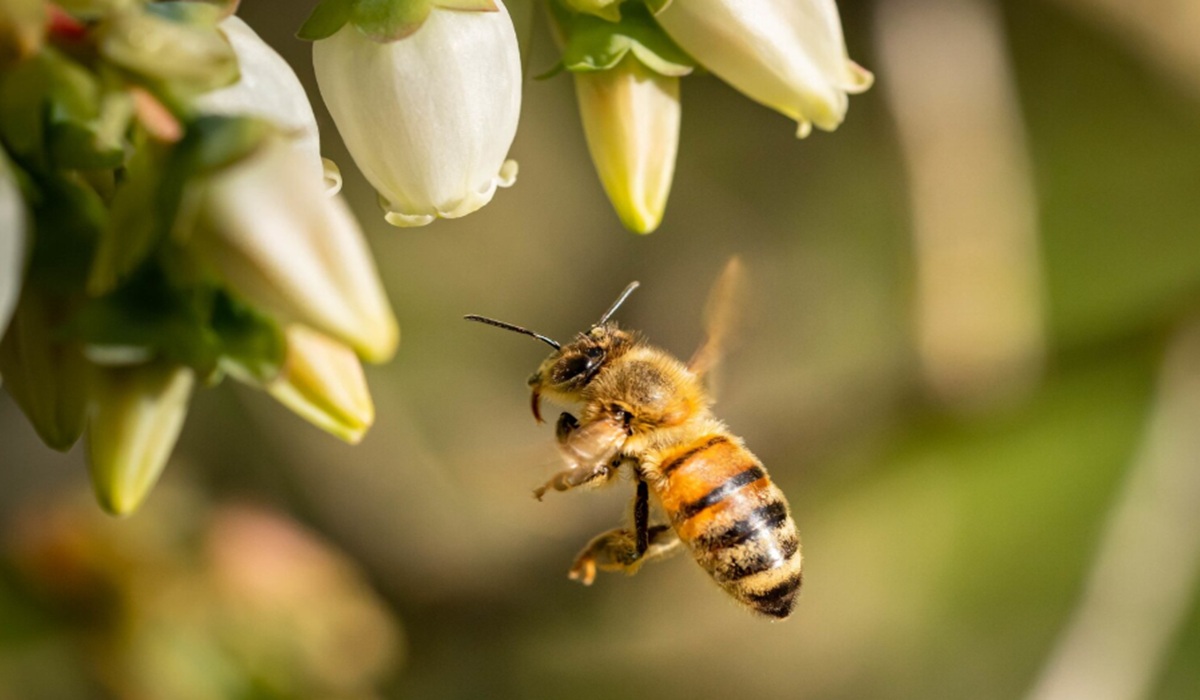
THE varroa mite (Varroa destructor) outbreak is currently paralysing Australia’s honey industry and agricultural sector. The parasite’s attack has systemic consequences for the productivity of various food commodities that rely heavily on natural pollination.
Professor Ronny Rachman Noor, an ecological genetics expert from IPB University, projects that Australia will face a very serious pollination crisis in 2026. At the peak pollination season next August, the country is predicted to face a shortfall of around 290,000 beehives due to the uncontrolled spread of the mite.
“This extremely rapid spread of the varroa mite has had a major and painful impact on Australia’s honey industry. More than 50 per cent of beekeepers have had to close their businesses due to very high control costs, resistance to chemical treatments, and losses from the destruction of hundreds of thousands of hives,” said Prof Ronny.
Economically, the role of honey bees in Australia cannot be underestimated. Bee pollination services contribute approximately AUD 14.2 billion per year to the country’s agricultural sector. A drastic decline in bee populations threatens the sustainability of horticultural crops that are highly dependent on pollination.
Prof Ronny explained that Varroa destructor is a parasite that lives exclusively on honey bees (Apis mellifera). The mite attaches itself to adult bees and reproduces inside wax-capped larval cells, particularly in drone cells, which have a longer development cycle.
The parasite works by sucking the bees’ haemolymph (blood), which weakens their immune system. In addition, varroa acts as a vector for deadly viruses such as deformed wing virus and rhabdovirus. The combination of physical infestation and viral infection accelerates the mass death of colonies.
The challenge has grown even more severe with the emergence of chemical resistance. In New South Wales and Queensland, varroa populations are reported to have developed immunity to the active ingredients pyrethroid and amitraz. Since 2022, the outbreak has triggered colony collapse exceeding 60 per cent of hives.
The crisis facing Australia should serve as a wake-up call for Indonesia to strengthen its national biosecurity system. Prof Ronny stressed the importance of strict oversight of bee imports and apiculture products to prevent the pest from entering the country.
“It is important to strengthen biosecurity within the national surveillance system to detect bee pests early. In addition, pollinator diversification programmes should be designed so that we do not depend solely on honey bees but also involve local bees and other insects,” he asserted.
He also hopes the government will provide policy support in the form of pest control subsidies, research funding, and intensive training for local beekeepers. These preventive steps are crucial so that Indonesia does not experience a food crisis caused by the loss of natural pollination services in the future.
Source: jawawa.id (https://jawawa.id/newsitem/varroa-mite-outbreak-in-australia-a-looming-2026-pollination-crisis-and-lessons-for-indonesia-1784155822)
Originally published by Media Indonesia (https://mediaindonesia.com/humaniora/911401/wabah-tungau-varroa-australia-ancaman-krisis-polinasi-2026-dan-pelajaran-bagi-indonesia), translated from Indonesian