
Varroa Mite Crisis in Australia Serves as a Warning for Indonesia
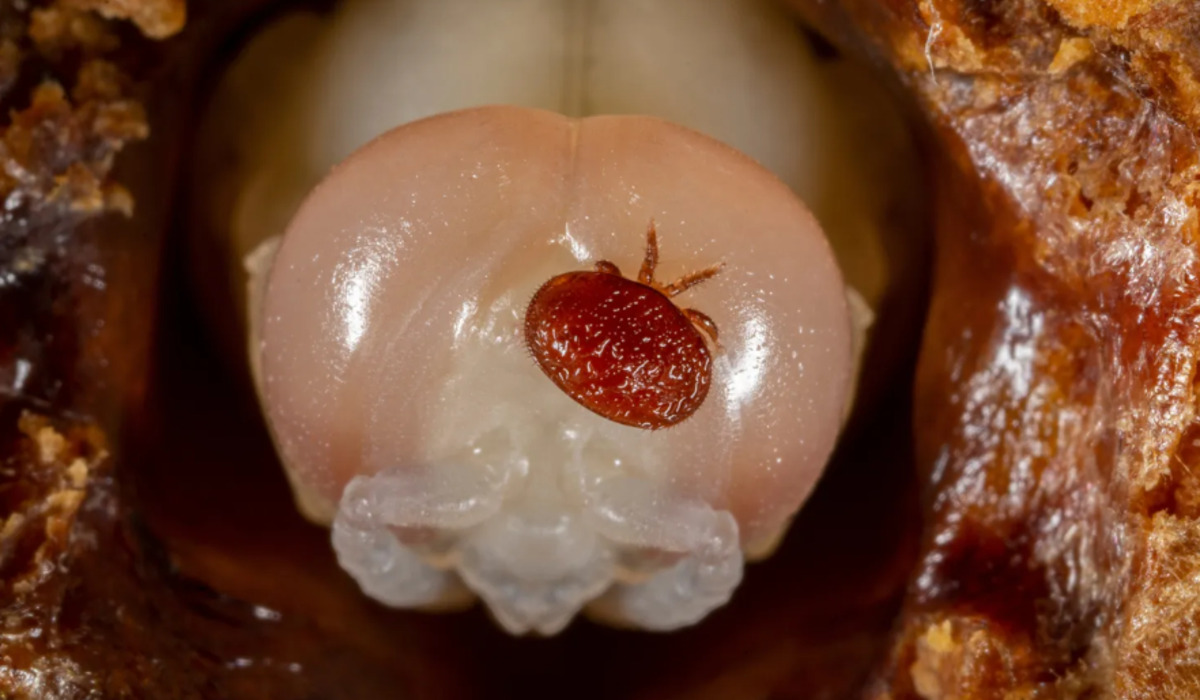
The varroa mite (Varroa destructor) outbreak is crippling honeybees and agriculture in Australia. This condition directly impacts the declining productivity of a number of agricultural commodities that depend on honeybee pollination. IPB University Ecological Genetics expert, Prof Ronny Rachman Noor, stated that Australia is expected to face a serious pollination crisis in 2026. The country is predicted to lack around 290,000 beehives for the peak pollination season next August due to the uncontrolled spread of the varroa mite. “The very rapid spread of the varroa mite has had a major and painful impact on the honeybee industry in Australia. More than 50 percent of breeders have had to close their businesses due to very high control costs, resistance to chemical drugs, and losses from the disappearance of hundreds of thousands of hives,” Ronny said in a statement on Wednesday (17/6). From an economic perspective, honeybees contribute approximately AUD14.2 billion per year to Australia’s agricultural sector through pollination services. The declining bee population directly affects crops that are highly dependent on pollination, such as almonds, apples, cherries, stone fruit, and avocados. This condition risks triggering crop failures, a decline in fruit and nut production, rising food prices, and increased dependence on imports. Prof Ronny explained that the varroa mite is a parasite that lives entirely on honeybees (Apis mellifera). This mite attaches itself to adult bees and reproduces inside wax-capped larval cells, especially in drone brood cells which have a longer development cycle. “The varroa mite is a parasite that attacks bees and affects bee health. By attaching and sucking haemolymph, varroa weakens the immune system and spreads viruses such as deformed wing virus and rhabdovirus, thus accelerating colony death,” he said. Another challenge is the emergence of resistance to chemical control agents. Varroa populations in New South Wales and Queensland are reportedly already resistant to pyrethroids and amitraz, rendering standard treatments ineffective. Since 2022, this outbreak has caused mass honeybee colony collapse, exceeding 60 percent of hives. To address this problem, Prof Ronny encourages the implementation of integrated pest management (IPM) through a combination of chemical, organic, and mechanical methods accompanied by routine population monitoring. The use of organic acids, development of varroa-resistant bees, funding support, and the utilisation of biotechnology are also part of the long-term solution. Australia’s experience must serve as an important lesson for Indonesia. Strengthening biosecurity is necessary to prevent the entry of mites through the import of bees or apiculture products. “It is important to strengthen biosecurity within the national surveillance system to detect bee pests early. In addition, a pollinator diversification programme should be designed so that we do not only depend on honeybees, but also involve local bees and other insects,” said Prof Ronny. He added that policy support in the form of pest control subsidies, research funding, and IPM training for breeders is also needed. “Indonesia must learn from this crisis, strengthen biosecurity and pollination diversification so as not to experience a similar situation,” he concluded.