
Various Countries Want Indonesia to Lead on Biodiversity Issues: Minister
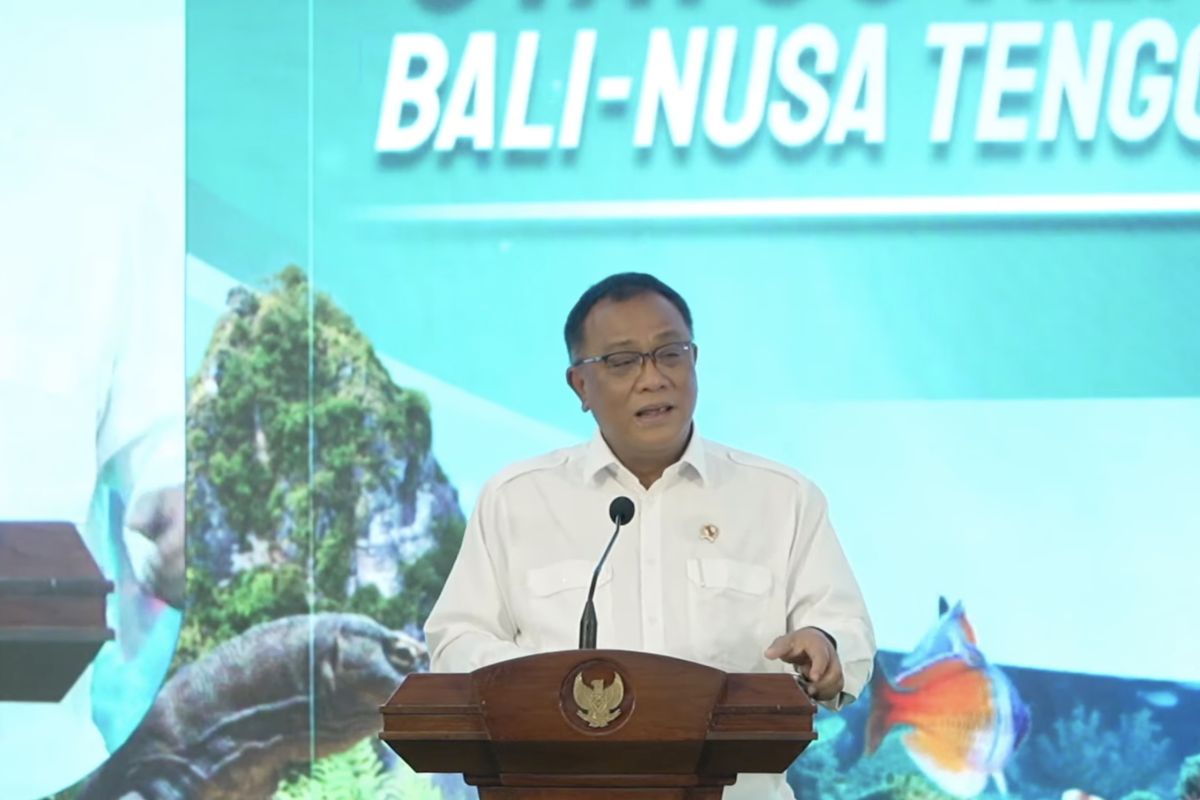
Jakarta (ANTARA) - Minister of Environment/Head of the Environmental Control Agency (BPLH) Jumhur Hidayat said that many countries want Indonesia to take the lead on biodiversity issues.
The request came when the Indonesian government attended the London Climate Action Week forum.
“When we add our terrestrial biodiversity to our marine biodiversity, we are the biggest. So it is only natural that there are requests from various countries for Indonesia to become a leader on biodiversity issues,” said Jumhur at the launch of the Biodiversity Status Document for Bali-Nusa Tenggara, Java, Maluku, and Papua in Jakarta on Tuesday.
On that occasion, he explained that Indonesia has passed through one phase of conventional development since independence which failed to achieve equitable distribution. Indonesia, he said, is now entering a second wave of development by utilising unconventional natural resource wealth, which tends to damage the environment, but also more environmentally friendly instruments such as carbon credits.
In this second phase, he reminded Indonesia to be careful to ensure that what is being pursued genuinely improves the welfare of society, particularly the lower classes. To that end, his side wants to ensure how many lower-income communities benefit from high-integrity carbon credits, so that the profits are not enjoyed solely by carbon trading speculators.
“We must be the leader there, we must be the hub, and the greatest benefits must go to the people on the ground, and I believe we are heading in that direction,” said Jumhur.
“When people talk about tens of thousands of trillions from carbon trading, this could be even bigger when it comes to biodiversity credits. So we must ensure conservation, and we must also ensure that the credits benefit the nation and ordinary communities. Hopefully, equitable development will occur in this second phase of development,” said the Minister of Environment.
Furthermore, one of the implementations already carried out by the Indonesian government is the development of databases and information systems. The government is currently building a biodiversity data house as part of a biodiversity clearing house coordinated across ministries, agencies, and network nodes with other parties.
In addition, a number of biodiversity-related policies are being prepared. One of these is a draft government regulation on access and benefit-sharing for the use of genetic resources, as well as biodiversity funding, partly through biodiversity credit mechanisms as part of the governance of the economic value of biodiversity.
“We must ensure that the use of biodiversity and the various instruments being built strengthen efforts to conserve Indonesia’s biodiversity, safeguarding its sustainability, ensuring fairness for communities, grounding decision-making in a scientific basis, applying good and honest governance, and involving all parties — the whole of government and the whole of society,” said the Head of BPLH.