
Vale Indonesia Receives Key Autoclave to Accelerate Low-Carbon Nickel Project in Morowali
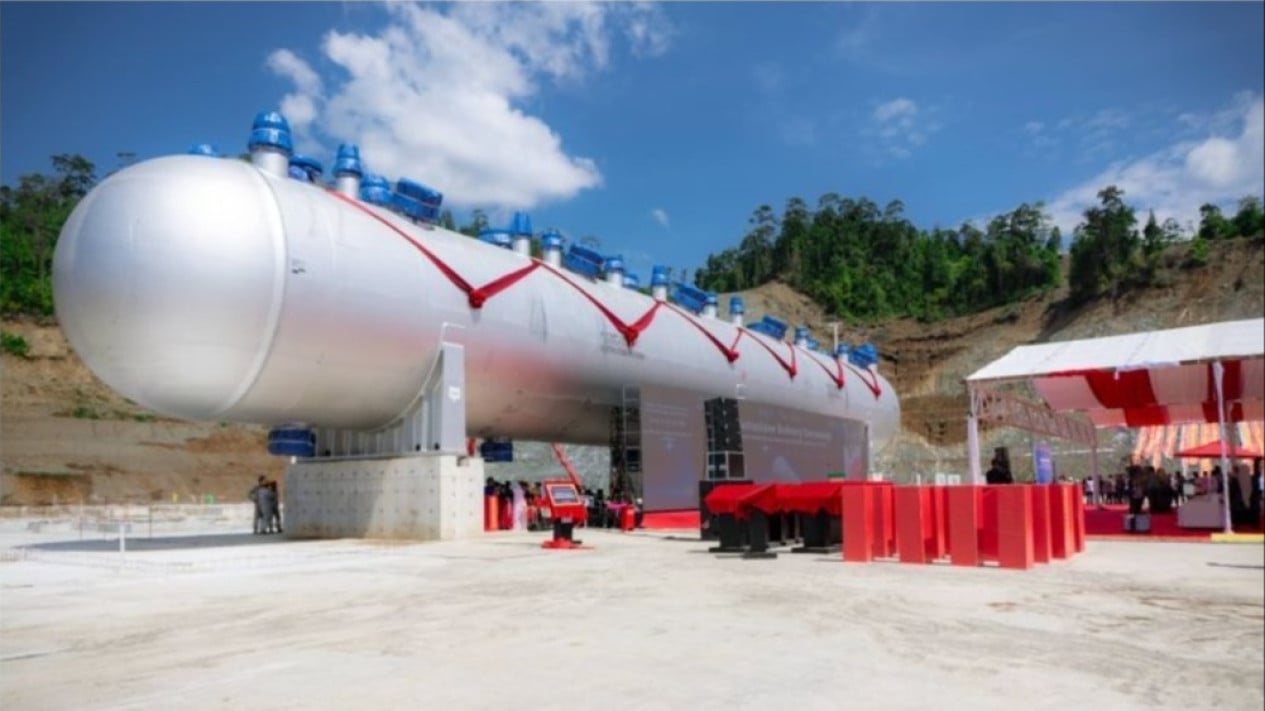
PT Vale Indonesia has received an autoclave, a low-carbon nickel processing tool, to accelerate work on the High Pressure Acid Leaching (HPAL) project, a national strategic project (PSN) in Morowali Regency, Central Sulawesi. President Director & Chief Executive Officer of PT Vale Indonesia Tbk, Bernardus Irmanto, stated on Thursday, 23 July 2026, that the additional equipment marks significant progress in constructing the low-carbon nickel processing facility, which is part of the Indonesia growth project Morowali. He described the tool as a strategic milestone in the project’s construction phase. As the main equipment in HPAL technology, the autoclave serves as the core of the limonite ore processing, using a combination of high temperature, high pressure, and sulphuric acid to extract nickel and cobalt efficiently. The output is mixed hydroxide precipitate (MHP), an intermediate material that is a crucial raw material in the electric vehicle battery industry supply chain. The HPAL facility in Sambalagi, Bungku Pesisir, Morowali, is designed to produce approximately 90,000 tonnes of nickel content per year in the form of MHP, with a raw material supply of around 10.4 million tonnes of limonite ore per year from PT Vale’s mining area in Bahodopi. The arrival of the autoclave enables the processing of limonite ore into high-value-added products that support the global electric vehicle supply chain. Bernardus said this momentum reflects PT Vale’s commitment, together with its partners, to deliver a competitive nickel processing industry that prioritises sustainability principles, occupational safety, and provides long-term benefits for Indonesia and communities around the operational areas. As part of its commitment to more sustainable operations, the Sambalagi HPAL project also integrates various low-carbon solutions into its facility design. Operational electricity needs will be supported by waste heat recovery power generation, which utilises residual heat from the production process to generate electricity more efficiently. The development of a solar power plant is also planned as part of efforts to increase the use of clean energy in the industrial area. Bernardus added that the latest equipment addition is the company’s effort to maximise the national strategic project, as it is an important part of the government’s agenda to accelerate nickel downstreaming and the development of the national electric vehicle ecosystem.