
UTS Introduces Smokehouse Technology to Kenjeran Smoked Fish MSMEs
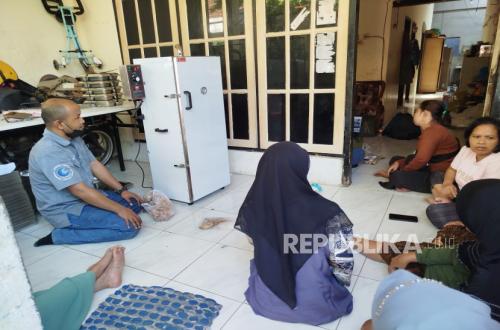
Universitas Teknologi Surabaya (UTS) is mentoring micro, small, and medium enterprises (MSMEs) at the smoked fish centre in Kenjeran Subdistrict, Surabaya, to improve product quality while expanding market access. The mentoring is carried out through a community service programme funded by the Ministry of Higher Education, Science, and Technology (Kemdiktisaintek) for the 2026 fiscal year. The programme targets the Kenjeran Smoked Fish Community, which consists of 15 home-based businesses that have for years processed fishermen’s catches into value-added smoked fish products. Although it has become a source of livelihood for the coastal community, the production process, which still uses traditional kilns fuelled by coconut shells, is considered to result in inconsistent product quality and causes smoke pollution in the surrounding environment. Devi Maya Sofa, head of the UTS community service team, said the programme was designed based on the results of identifying the needs of business operators so that the solutions provided could answer the problems faced in the field. ‘Many of them have been running this business for decades, passed down through generations, but limited technology and information mean their production cannot yet compete in a wider market,’ Devi said in a written statement on Wednesday (5/8/2026). As a solution, the UTS lecturer team introduced modern Smokehouse smoking technology, which is designed to be more energy-efficient and environmentally friendly compared to conventional methods. The technology is expected to produce a more uniform level of doneness, improve product quality, extend the shelf life of smoked fish, and simultaneously reduce the combustion smoke that has been a complaint of residents. In addition to the production aspect, the community service team also provided mentoring on food safety and processing hygiene. This step is considered important given that only a small portion of business operators currently hold a Home Industry Food (PIRT) permit. The mentoring also includes strengthening brand identity, packaging design, and business legality so that Kenjeran smoked fish products have better competitiveness in the market. To expand marketing, UTS developed a website that compiles the profiles of all members of the Kenjeran Smoked Fish Community on one platform. The presence of the site is expected to make it easier for the public to get to know various typical Kenjeran smoked fish products while opening up wider market access. According to UTS, improving production and marketing quality is expected not only to increase the income of MSME operators but also to strengthen the economic chain of the coastal community. With increased demand for processed products, fishermen as raw material suppliers are also expected to gain economic benefits. This community service programme also involved UTS lecturer Wahyu Fahmy Rizaldi, who mentored on business legality aspects, and Ika Fitri Ulfindrayani, who handled food safety and production hygiene, as well as UTS students in outreach and field mentoring activities. Through this programme, UTS hopes that collaboration between universities and the community can strengthen the competitiveness of local MSMEs while encouraging the development of Surabaya’s typical processed fishery products to reach a wider market.