
US's Turn to Blockade the Strait of Hormuz
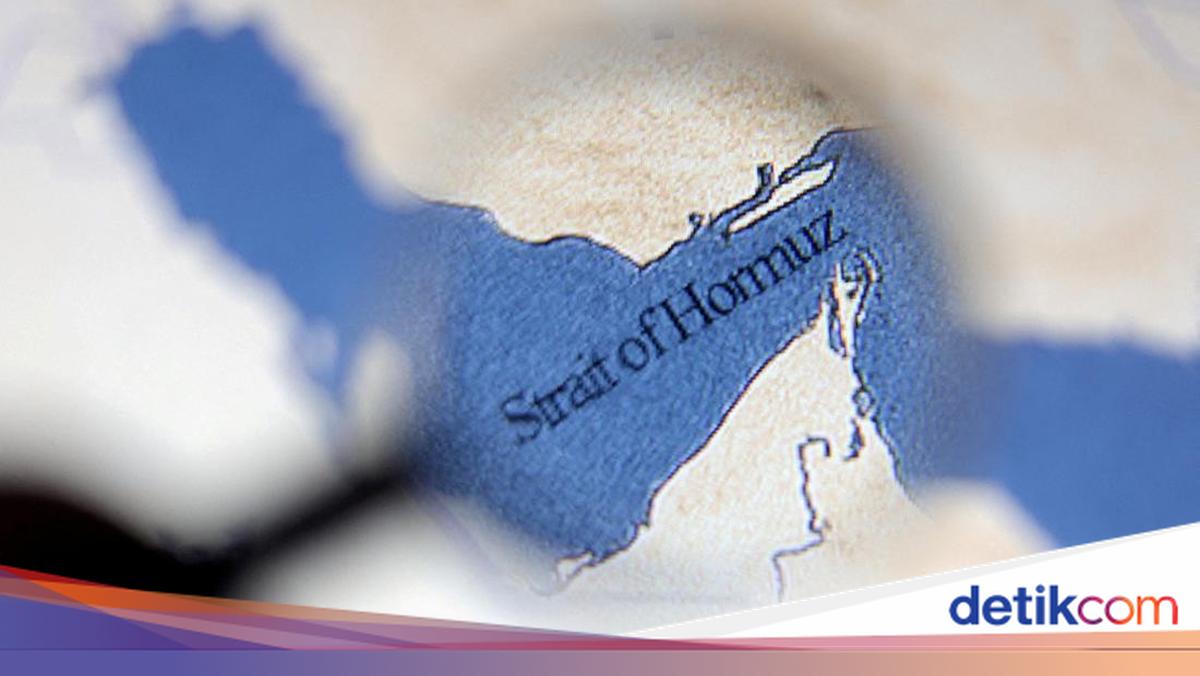
The Strait of Hormuz was previously blockaded by Iran during the war with the United States (US) and Israel. After negotiations with Iran reached a deadlock, it is now the US’s turn to threaten a blockade of the Strait of Hormuz.
Iran has effectively blockaded the Strait of Hormuz for several weeks, ever since the United States and Israel launched a bombing campaign against the Islamic Republic more than six weeks ago. Nevertheless, Tehran has allowed ships belonging to friendly nations to pass through, while prohibiting vessels affiliated with the aggressor nations and their supporters.
Iran’s parliament has proposed a draft law to impose transit fees in the strait in the national currency. Explicitly, Iran has banned US and Israeli ships from passing through the Strait of Hormuz.
Before the war broke out, around 20 million barrels of global oil typically crossed this vital waterway each day. Iran’s blockade has triggered global disruptions, increasing shipping costs and driving up global oil prices.
In other words, Iran’s goal in blockading the Strait of Hormuz is to use it as leverage, as the Islamic Republic is being relentlessly pounded by the US and Israel.
After global oil prices rose due to the blockade, the US and Iran suddenly agreed to a two-week ceasefire.
The war paused temporarily. The US and Iran then held peace negotiations in Pakistan. However, those talks failed to reach an agreement.
Both the US and Iran have accused each other of the failure of the negotiations. The US has reacted by threatening to blockade the Strait of Hormuz.
“Effective immediately, the world’s best US Navy will begin the process of blockading every and all ships attempting to enter or exit the Strait of Hormuz,” Trump said on his Truth Social platform, as reported by AFP news agency on Sunday (12/4/2026).
“Any Iranians who shoot at us, or at peaceful ships, will be blown to hell!” he added.
The US President also warned that any ships that have paid entry fees to Iran will be stopped in international waters. Trump stated that the US is blockading the Strait of Hormuz to clear it of mines and open it for all shipping, but Iran should not be allowed to profit from controlling the waters.
The US military announced that two of its warships had crossed the strait at the start of the mine-clearing operation. Trump warned that ultimately, US forces would “finish off the remnants of Iran” if necessary.
The US wants to blockade the Strait of Hormuz to completely cripple the Iranian authorities who previously held power there. The US has also announced it will begin blockading all Iranian ports on Monday (13/4) local time.
“The blockade will be enforced fairly against ships from all countries entering or leaving Iranian ports and coastal areas, including all Iranian ports in the Arabian Gulf and Gulf of Oman,” the US Central Command said in a statement, adding that the blockade will begin at 14:00 GMT on Monday (13/4).
Meanwhile, Iran asserts that the Strait of Hormuz is under its full control. Iran has countered by threatening the US.
“All traffic… is under the full control of the armed forces,” the Revolutionary Guard Navy command said, as reported by AFP news agency on Monday (13/4).
“The enemy will be trapped in a deadly whirlpool in the strait if they make the wrong move,” it added.
Iran’s parliament speaker, Mohammad Bagher Ghalibaf, emphasised that his country will not bow to US threats. It is known that Ghalibaf led Iran’s delegation in the peace negotiations with the US in Pakistan, which ended in failure.
“If they fight, we will fight, and if they present logical arguments, we will counter with logic. We will not submit to any threats; let them test our resolve again so we can give them a bigger lesson,” Ghalibaf told reporters after returning to Tehran from Islamabad, as reported by Al Arabiya.