
Using Waste as Capital, Koja Residents Harvest Hundreds of Kilograms of Fish Every Three Months
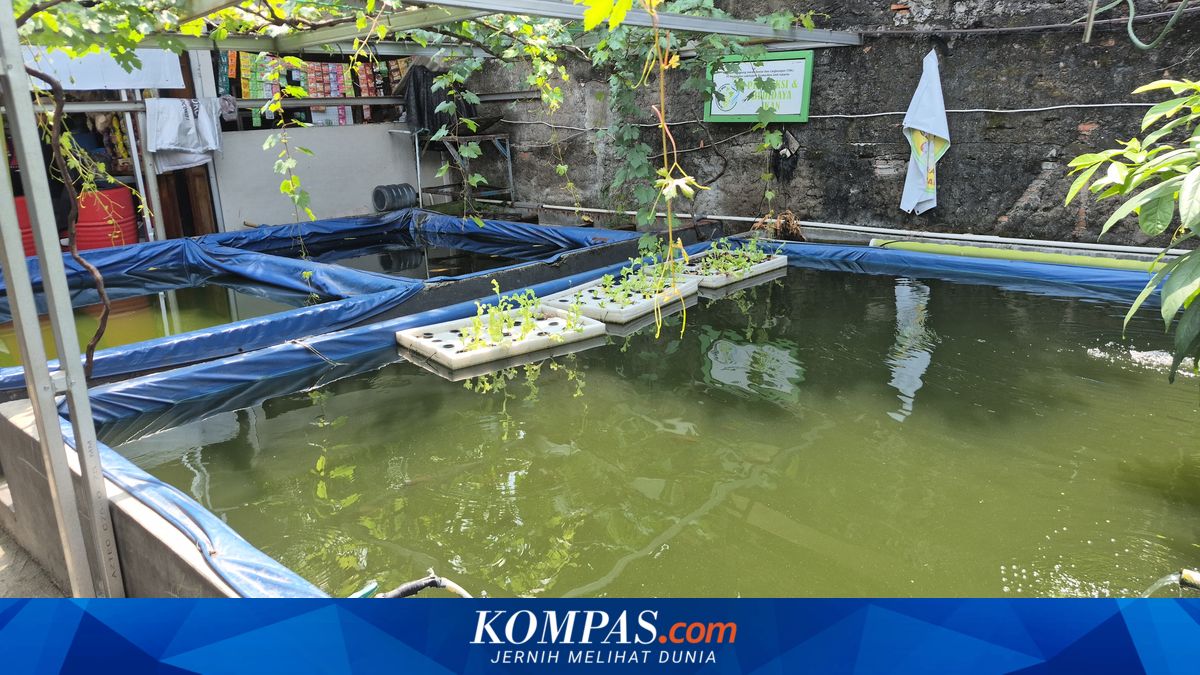
In the Cemara Hijau Lane, RW 01, Tugu Utara, Koja, South Jakarta, organic waste that is usually discarded and left to rot in bins is being transformed into useful resources for the community. One of the initiatives is to process waste into livestock feed for ducks, chickens, birds, and even fish. Dani Arwanto (51), the head of the Cemara Waste Bank and also RT 07, RW 01, said the area’s urban fishing project previously faced high feed costs. “Feed used to be the heaviest expense in fish farming. Now we make our own feed from the organic waste we process,” he said when interviewed by Kompas.com at the site on Tuesday, 19 May 2026. First, the organic waste at the location is processed with a machine capable of handling 500 kilograms to one tonne of waste per day, producing material suitable for fish feed. Second, the organic waste is broken down through maggot farming, the maggots being usable as livestock feed. Feed made from organic waste is considered effective for fattening thousands of fish bred across six ponds more quickly. “The fish fatten quickly and we can control their nutrition, because the organic waste we use has good nutritional content,” added Dani. Since starting the waste processing, residents are no longer burdened with feed costs for the thousands of fish being farmed. Moreover, with only organic waste as capital, the six ponds in RW 01, maintained collectively by residents, can be harvested every three months. In a single harvest cycle, the six ponds, each 4 by 6 metres, can yield around 50 to 100 kilograms of fish such as catfish (lele), Nile tilapia (nila), Mozambique tilapia (mujair), and others. Typically, the harvest is first sold to nearby residents to meet their dietary needs. The selling prices vary by species, with catfish around Rp 24,000 per kilogram and Nile tilapia around Rp 35,000. Dozens of kilograms sold translate to a turnover of about Rp 2,000,000 in a single harvest. Although it requires time and effort, the turnover from the fish farming is not used for Dani’s personal benefit, but for the purposes of reinvesting in the project.
Source: jawawa.id (https://jawawa.id/newsitem/using-waste-as-capital-koja-residents-harvest-hundreds-of-kilograms-of-fish-every-three-months-1779545698)
Originally published by Kompas (https://megapolitan.kompas.com/read/2026/05/20/14451831/bermodal-sampah-warga-koja-panen-ikan-ratusan-kilo-tiap-tiga-bulan?utm_source=ABC&utm_medium=rss), translated from Indonesian