
Using Social Media Too Early: Are Children More Vulnerable to Anxiety?
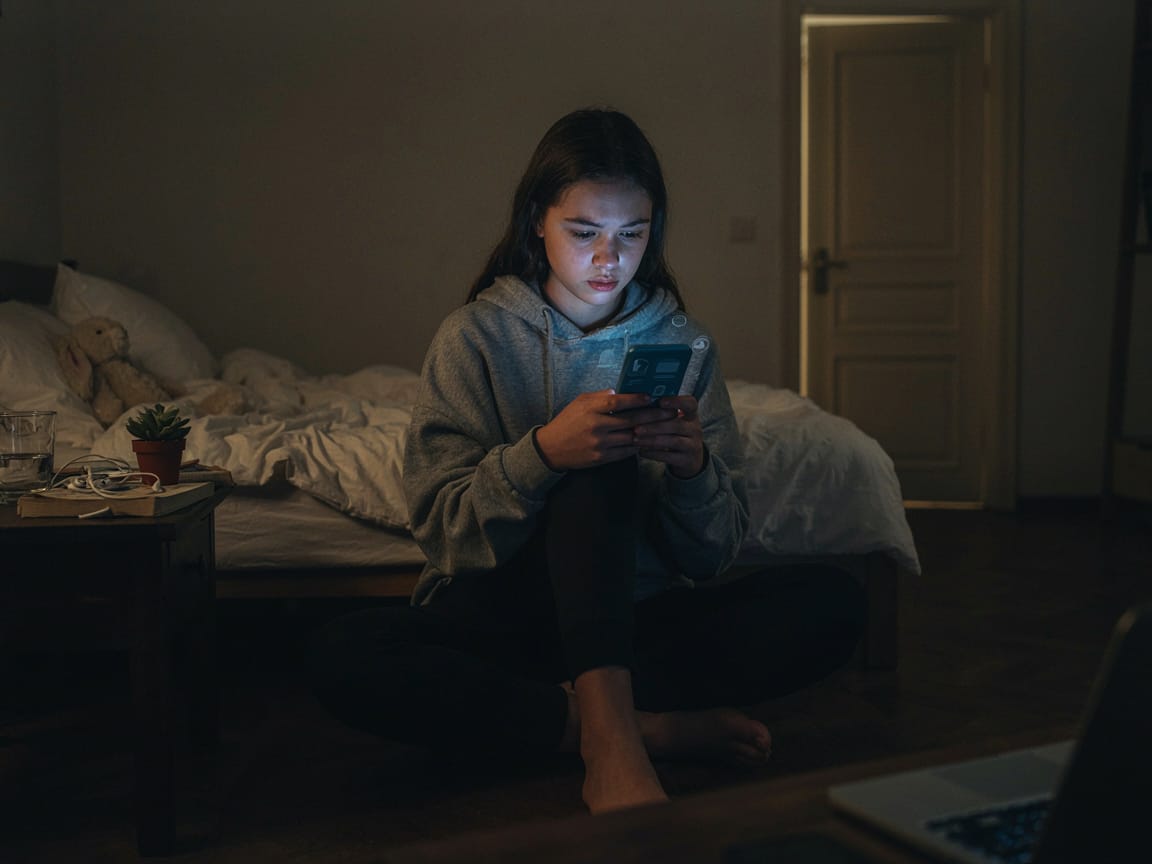
Social media has transformed into an inseparable element of daily life, including for children and adolescents. As digital platforms offering communication, entertainment, and information, social media provides vast opportunities for interaction. However, behind this convenience, excessive social media use at an early age requires serious attention due to its connection to children’s mental health conditions.
The Ministry of Health of the Republic of Indonesia (Kemenkes RI) has issued a warning regarding the risks of uncontrolled social media use on mental health. Some psychological impacts to watch out for include feelings of isolation, anxiety disorders, depression, and the phenomenon of ‘fear of missing out’ (FOMO), or the fear of being left behind by trends or the activities of others.
It is important to understand that social media use is not automatically the sole cause of anxiety disorders in children. Anxiety is a complex condition influenced by various internal and external factors. However, the way children interact with digital platforms and the experiences they encounter within them are crucial variables affecting their emotional stability.
One of the main triggers of digital stress is the habit of social comparison. Social media often serves as a showcase that only displays the best snippets of life, edited physical appearances, and extraordinary individual achievements. For children and adolescents who are still in the stage of identity searching, continuous exposure to these false standards can erode self-confidence and trigger deep concerns.
The Indonesian Ministry of Health is paying significant attention to this issue through its Free Health Check programme. Based on health screening results, indications have been found that many children show symptoms of mental health problems, including anxiety symptoms. Nevertheless, this data is comprehensive; meaning, not all anxiety symptoms stem directly from social media use, but digital factors remain an element that needs to be evaluated.
Therefore, the assessment of social media’s impact should not focus solely on screen time, but must also encompass the quality of the experiences children gain while browsing the online world.
The role of parents is vital in mitigating the risks of technology to children’s mental health. Effective supervision is not merely about prohibition, but about building a healthy digital ecosystem at home. The following are steps that can be taken:
Parents need to be vigilant if children show significant and continuous behavioural changes. Warning signs include:
If these symptoms appear, it is highly recommended to immediately consult a healthcare professional or a mental health specialist to receive appropriate treatment.
In conclusion, social media is not an absolute cause of anxiety disorders, but unwise use and exposure to negative experiences in digital spaces can be a significant trigger. Through supportive parental guidance and the implementation of healthy digital habits, children’s mental health can be maintained amidst rapid technological developments.