
Using Social Media Responsibly: Tampaksiring State Junior High School Students Attend Digital Literacy Workshop
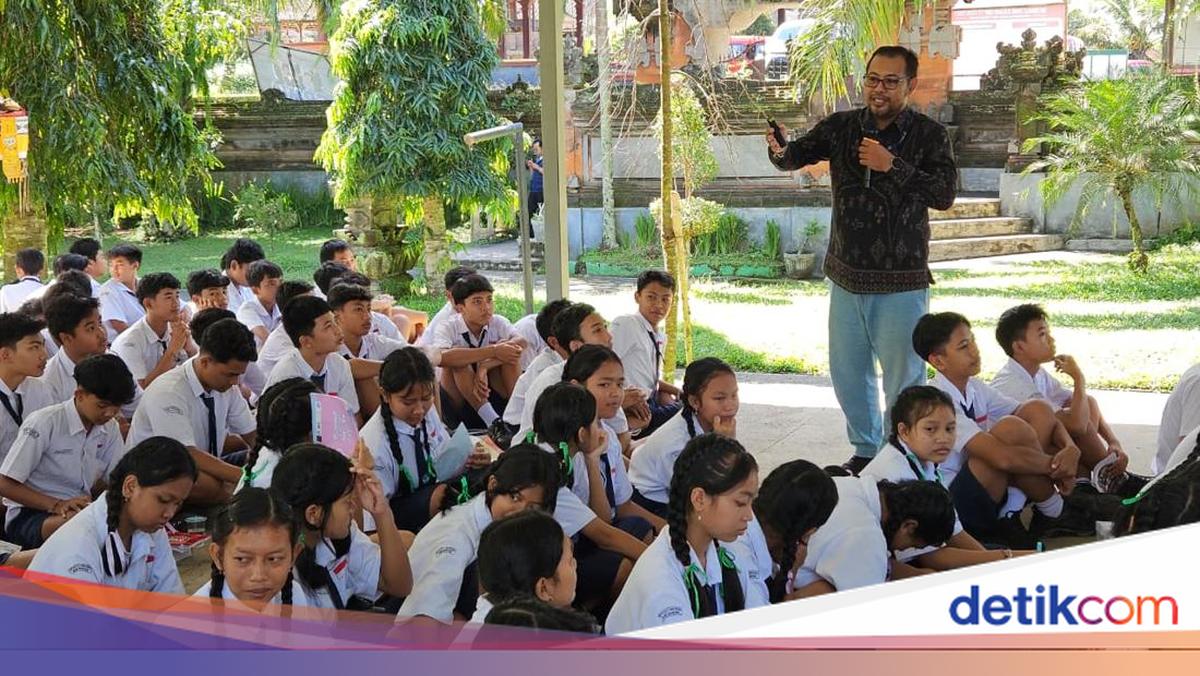
The Gianyar Regency Communication and Information Office, in collaboration with the Gianyar Regency Education Office, conducted a digital literacy workshop titled ‘Safe Schools: Protecting Yourself from Online Risks’ on Monday (25 May 2026). The event was attended by students from SMPN 3 Tampaksiping in Gianyar. ‘This event is aimed at enhancing young people’s understanding of using digital technology safely, responsibly, and prudently,’ said I Gusti Ngurah Alit Punia, acting principal of SMPN 3 Tampaksiring, in a statement on Monday. Alit explained that students were educated about the prevalence of misinformation, cyberbullying, online scams, gadget addiction, and personal data theft. Additionally, they received material on ethical communication on social media. The digital literacy workshop aims to inspire more student digital content creation while also heightening awareness among Gianyar students about potential cybercrimes. ‘Through this digital literacy initiative, we aim to foster awareness that technological proficiency alone is insufficient; students must also act prudently, responsibly, and safely in digital environments,’ Alit said. At the event, Dimas Fadhil, chairman of the Bali chapter of Indonesian Anti defamation Society (Mafindo), outlined various social media-based crimes, including widespread misinformation, digital scams, and cyberbullying. ’ Hoaxes require you to believe, while scams demand you transfer funds, click links, or log in,’ Dimas said. Dimas added that cyberbullying isn’t always verbal abuse; social exclusion in digital spaces, such as on WhatsApp, also qualifies as cyberbullying. ‘Gossiping on social media or harsh comments on digital platforms can trigger mental health issues among teenagers,’ he added. Regarding digital scams, Dimas urged students to avoid accessing unclear links. He reminded them that digital footprints are permanent and can impact future prospects, including scholarship and job applications. Dimas also outlined Ministry of Communication and Informatics regulation No. 9 of 2026, which prohibits under-16s from using high-risk platforms such as TikTok, Instagram, Twitter, Facebook, and Roblox. These platforms, he noted, risk spreading harmful content, online scams, and pornography. He added that such digital platforms can also lead to social media addiction in children. ‘Using the internet is like riding a motorcycle. You can reach destinations quickly, learn new things, and connect with the outside world. But there are potholes, traps, and malicious actors. Therefore, we must equip ourselves with a digital safety helmet and comply with the road rules of the online world,’ Dimas concluded.